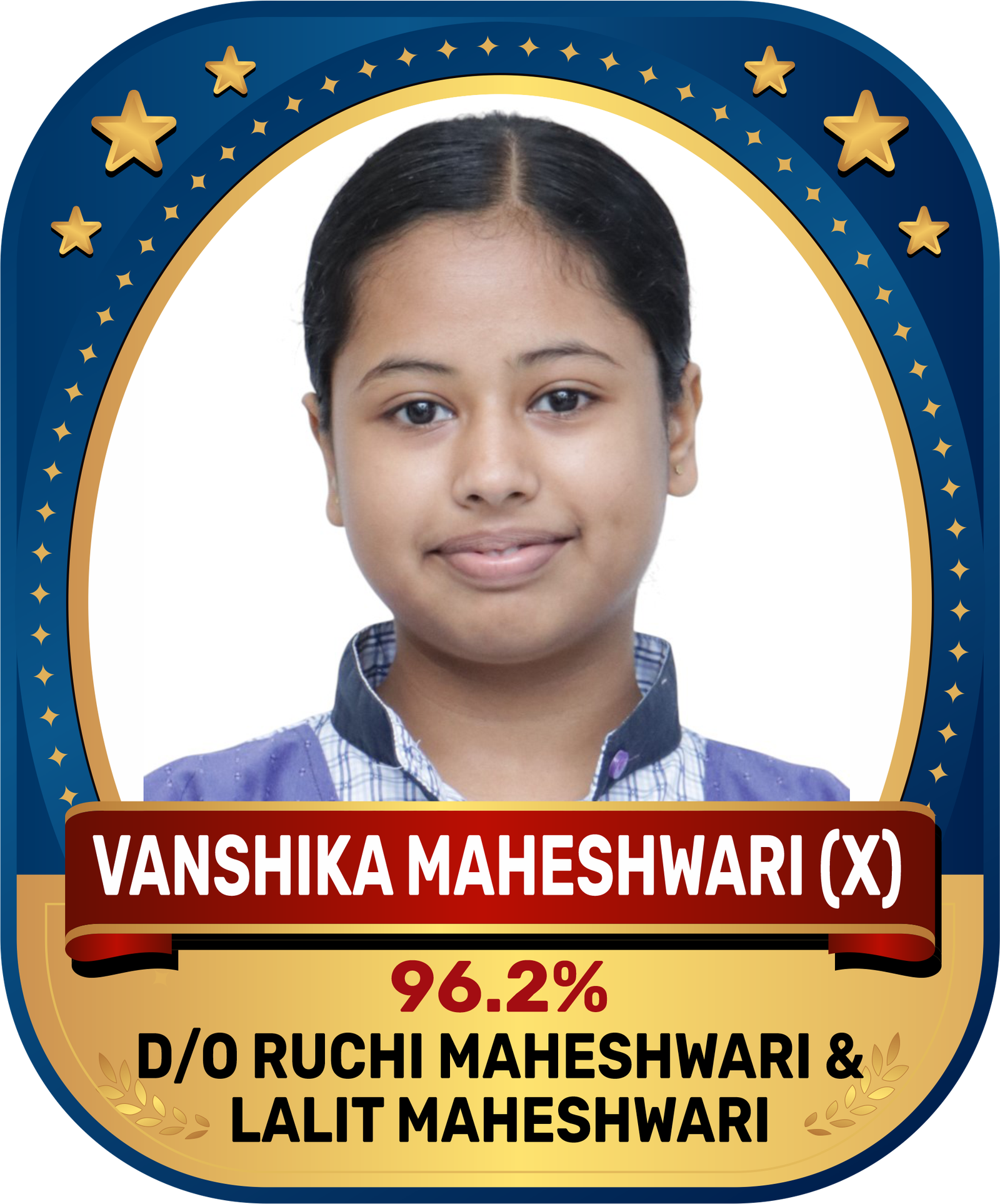
CBSE BOARD RESULTS (2025-26)
Management and Staff Congratulate Students for Excellent Results!!
Topper of LFPS (2025-26)
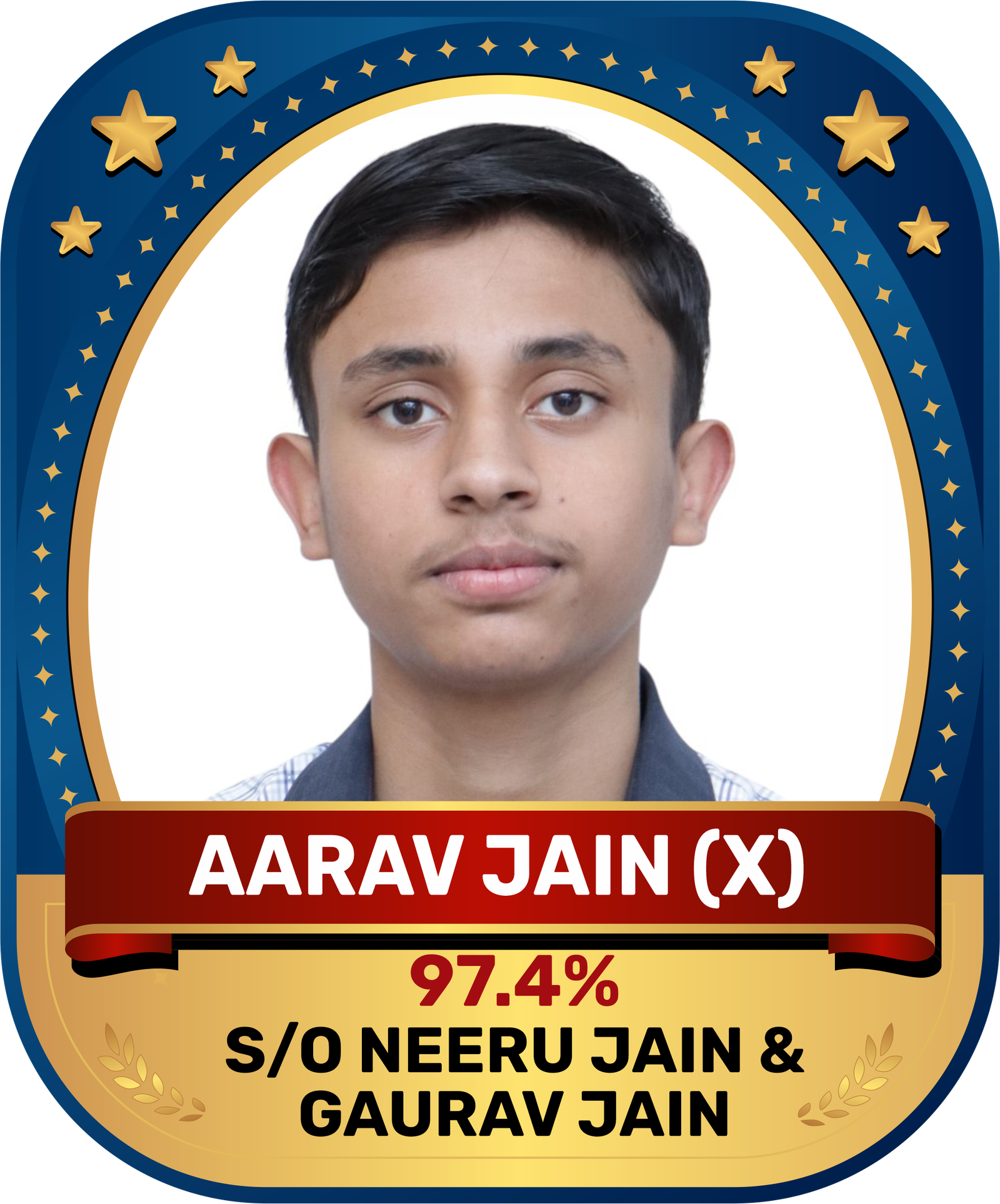

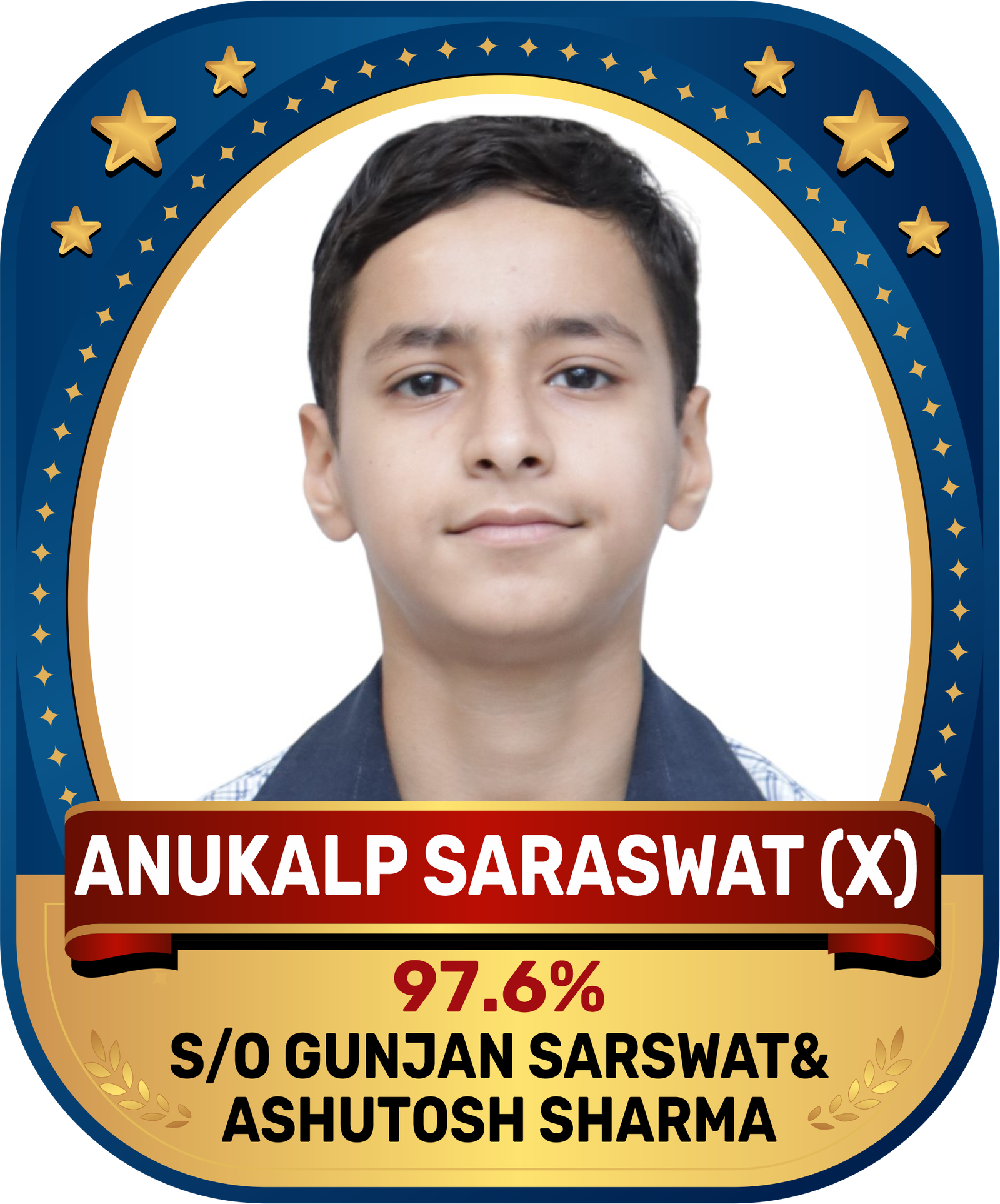
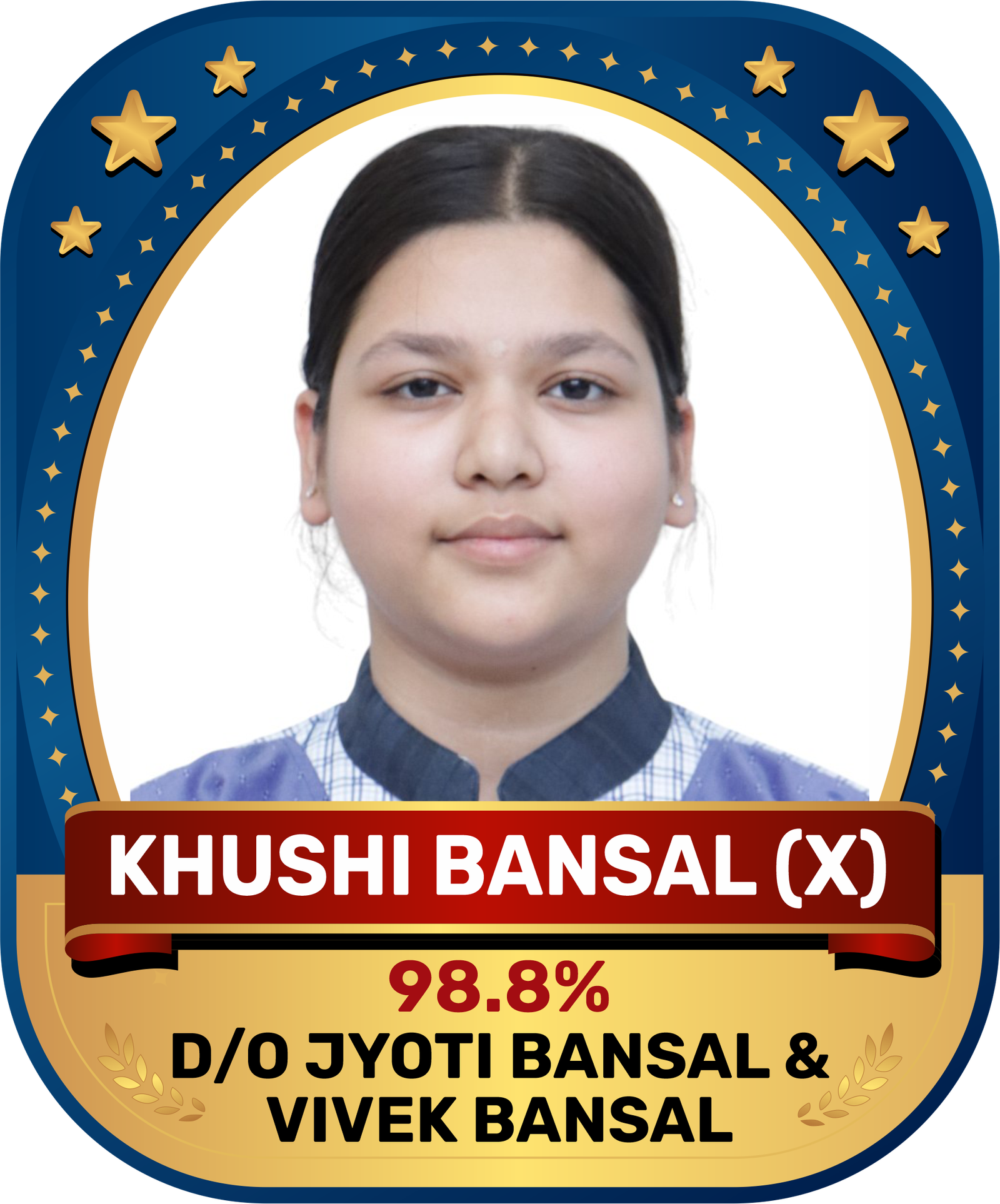
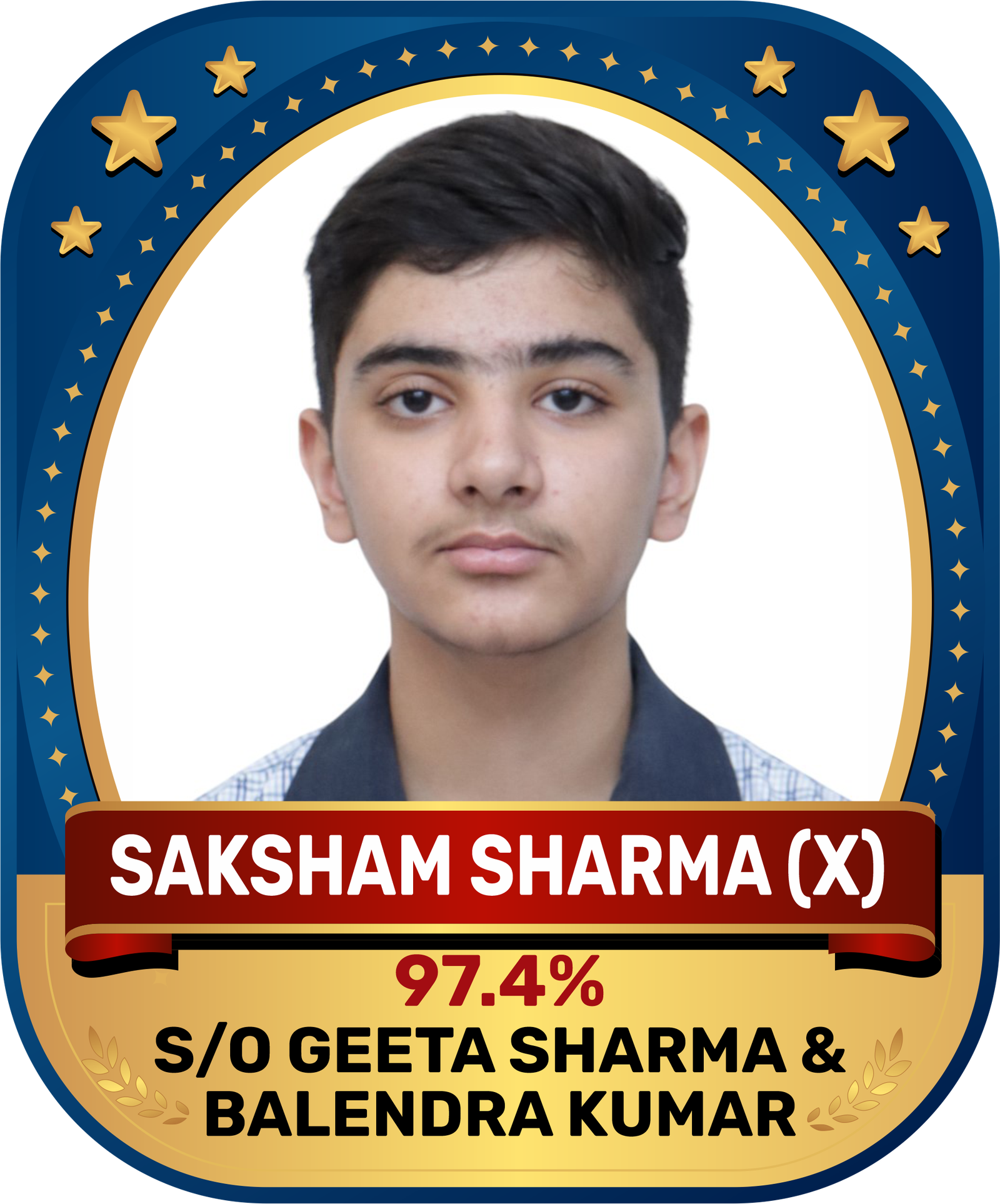


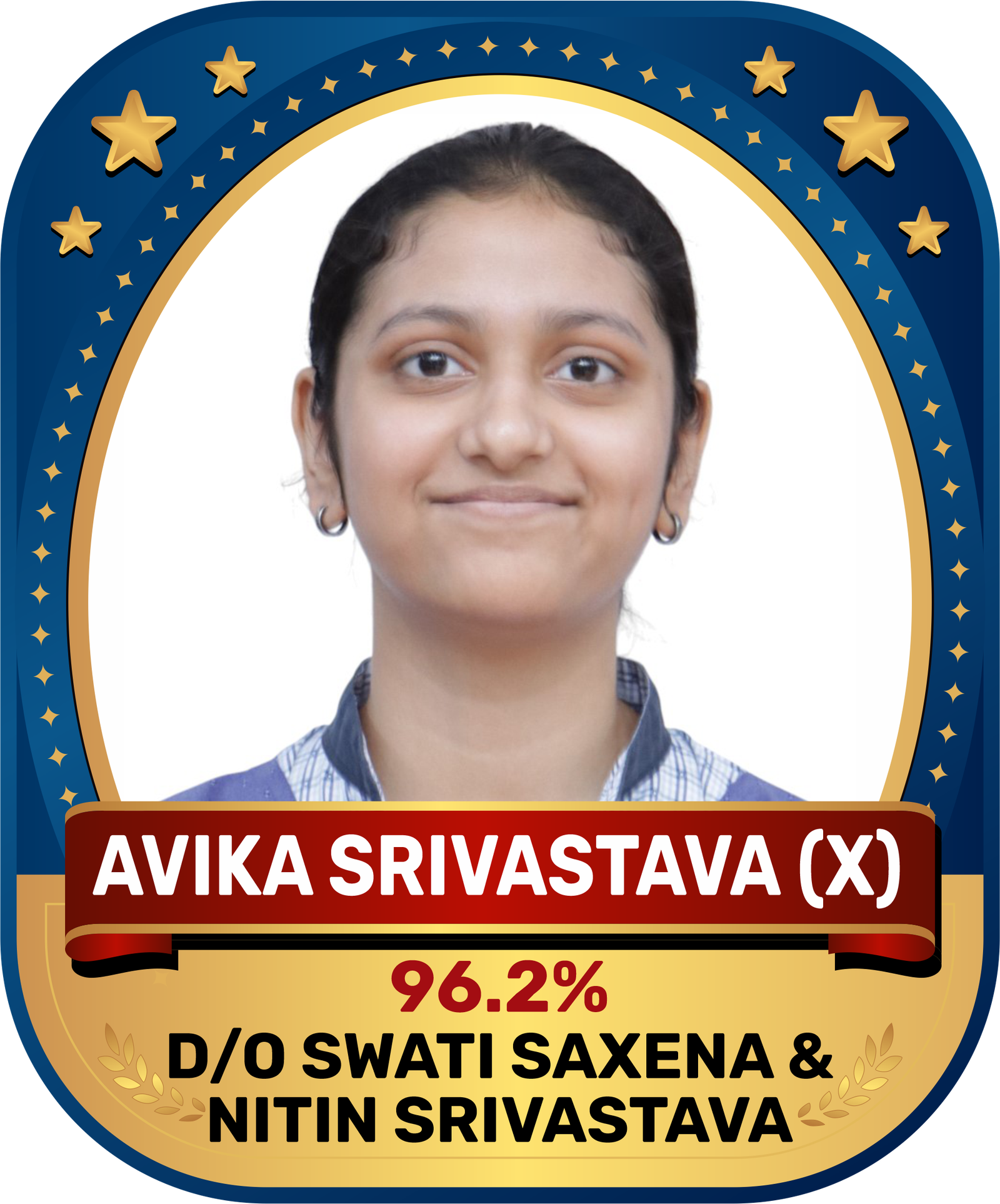
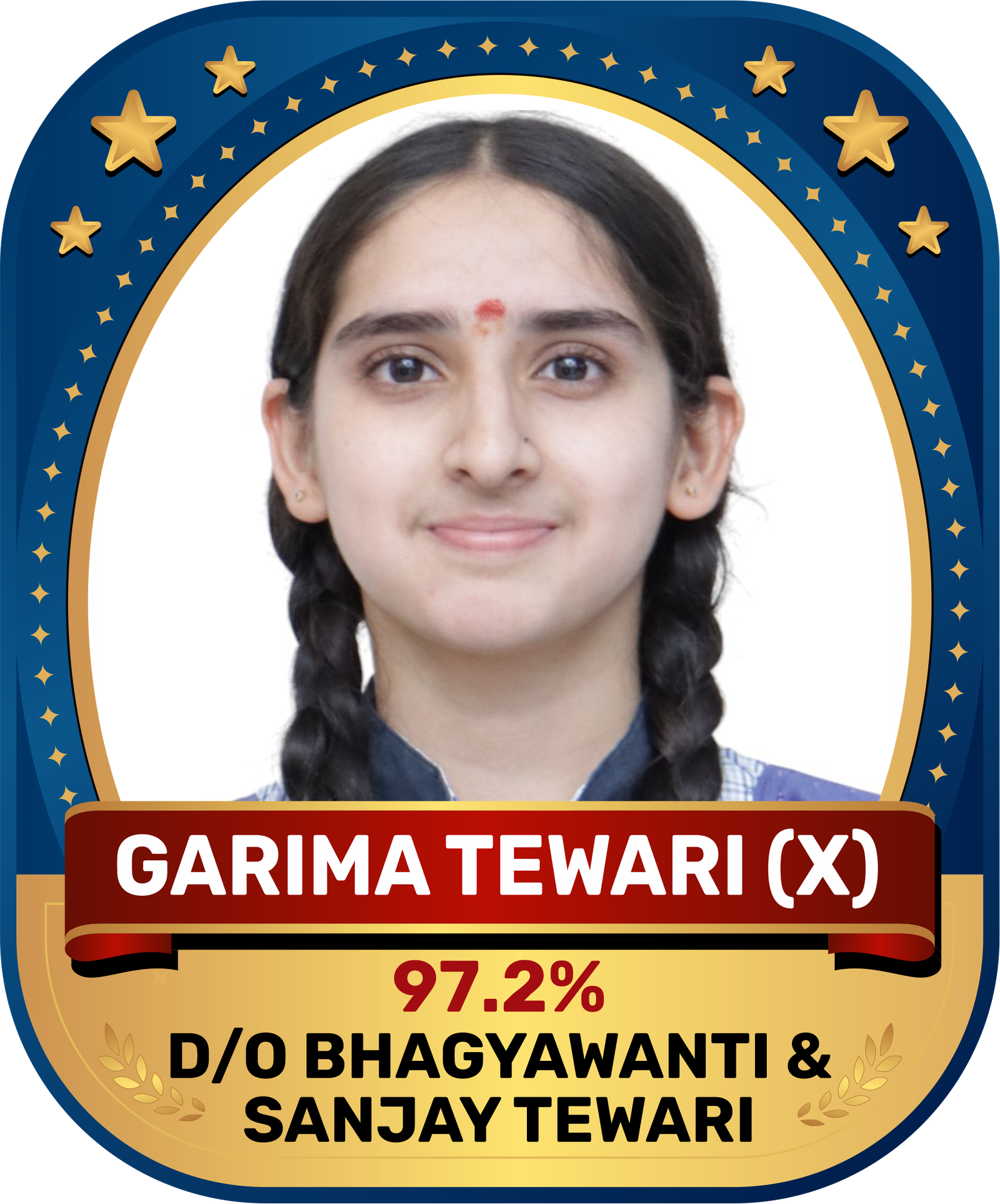
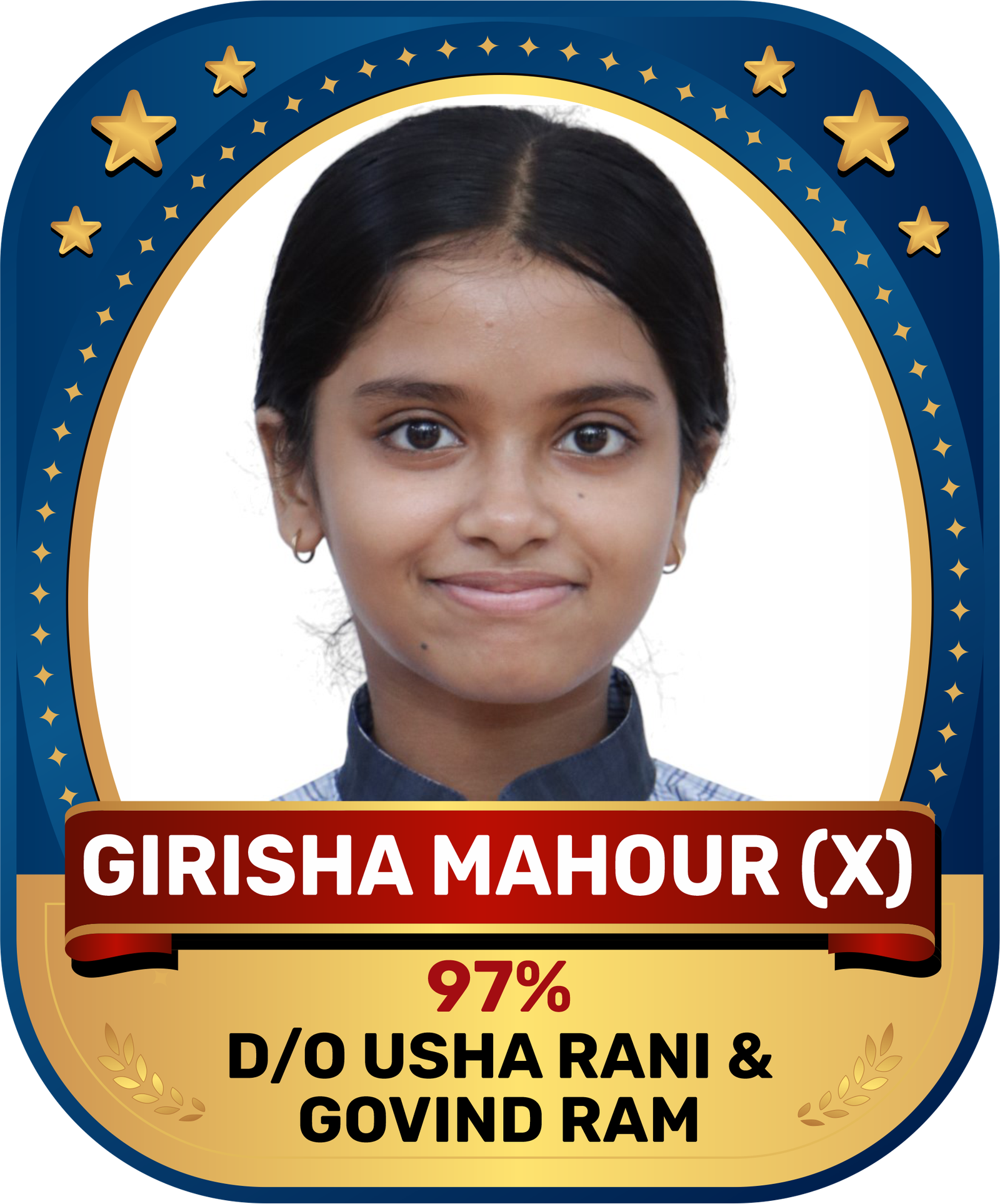

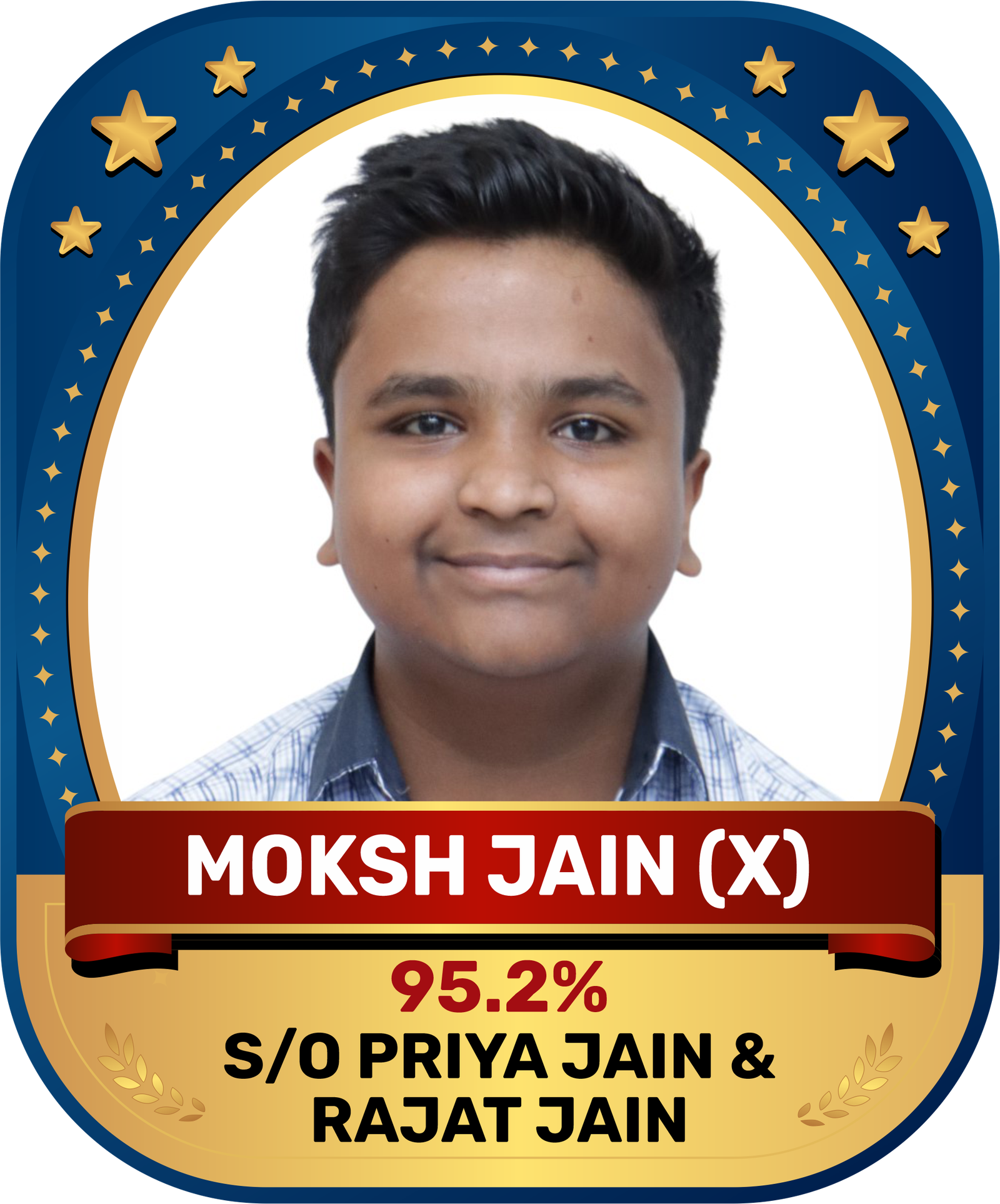






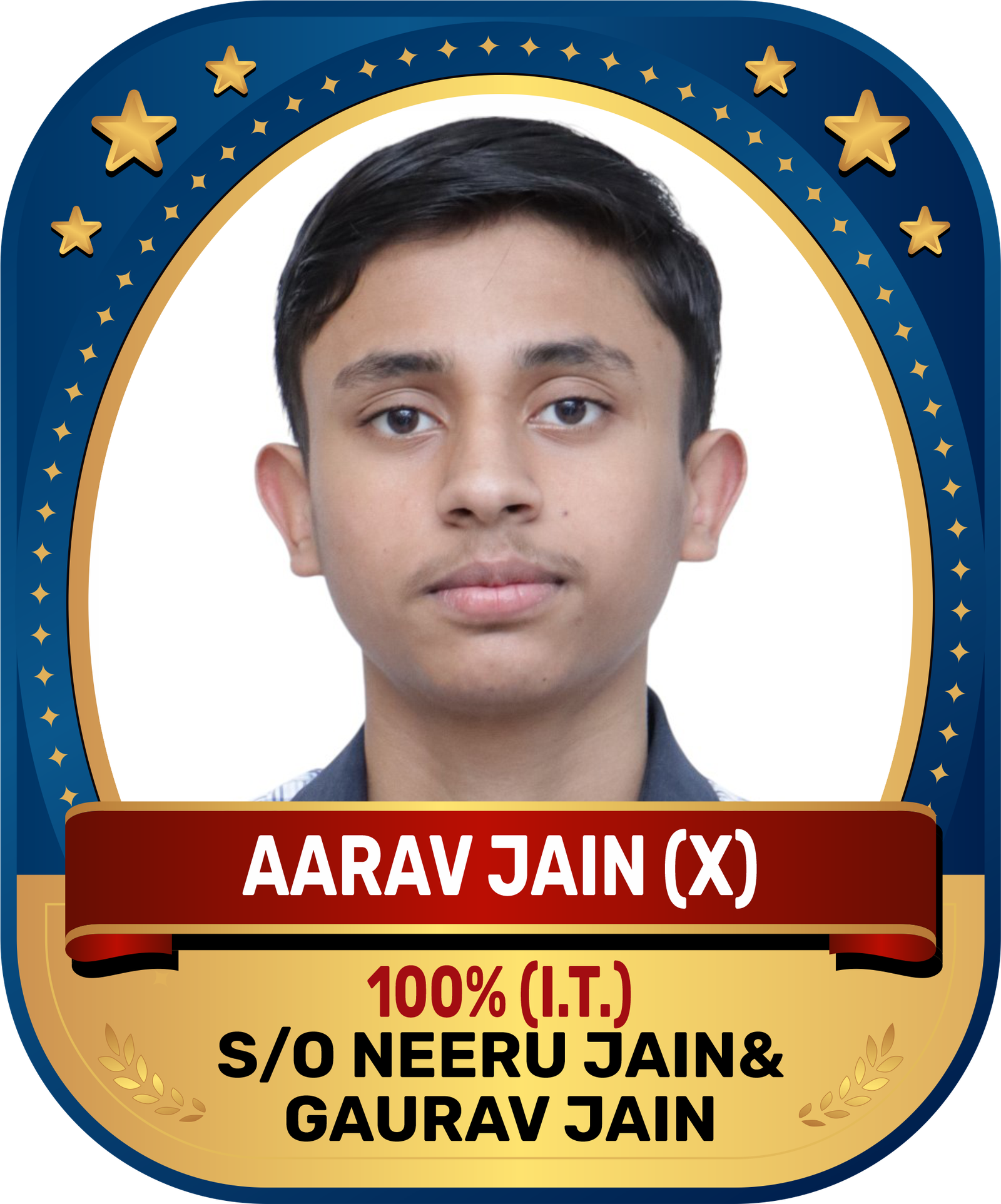
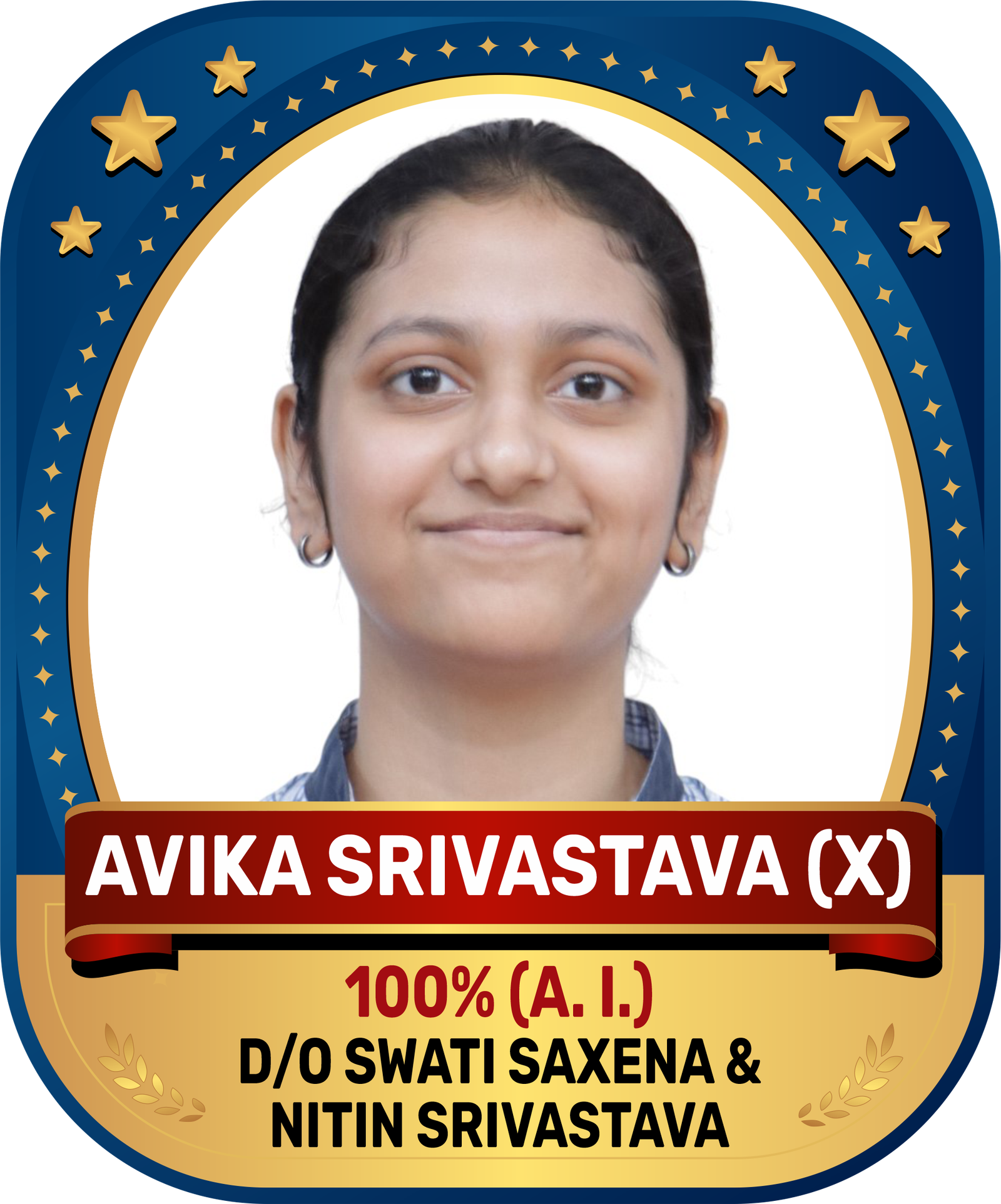
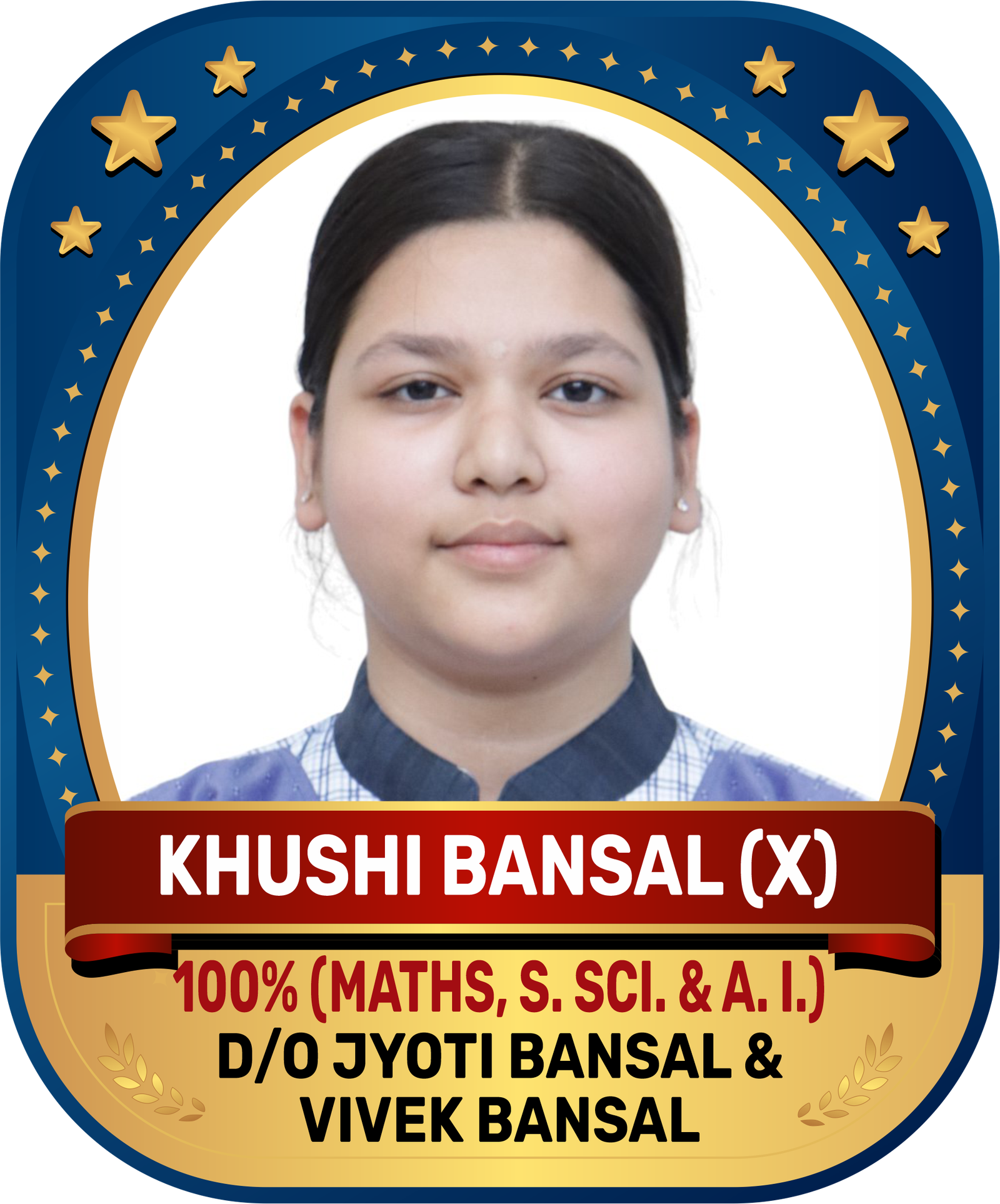
100% Marks in Subjects (2025-26)










Flexbox is designed for one-dimensional layouts, either a row or a column. It is perfect for navigation bars, centering items, and distributing space within a container. CSS Grid is built for two-dimensional layouts, allowing you to control both rows and columns simultaneously. It is the gold standard for creating complex page structures. By mastering these two systems, you move away from "hacking" layouts and start "structuring" them. The Power of Custom Properties
The "C" in CSS stands for Cascade, and it is the most vital concept to master. The browser follows a specific set of rules to decide which styles win when multiple instructions target the same element. Think of it as a hierarchy of power. Inline styles are the strongest, followed by IDs, then classes, and finally elements.
CSS Demystified: Start Writing CSS with Confidence For many developers, CSS is the most frustrating part of the stack. You change one margin, and a footer three pages away suddenly breaks. You try to center a div, and an hour later, you are staring at a screen full of !important tags and broken dreams. CSS often feels like magic, but it is actually a deeply logical system. Once you understand the underlying mechanics, the frustration fades, and you can start building layouts with genuine confidence. The Cascade and Specificity
A common pitfall is how the browser calculates the total width of an element. By default, padding and borders are added to the width you specify, which often breaks layouts. Using box-sizing: border-box; at the top of your stylesheet ensures that the width you set includes the padding and border. This one small change makes sizing elements infinitely more intuitive. Modern Layout Tools: Flexbox and Grid
CSS Variables, or Custom Properties, have revolutionized how we manage stylesheets. Instead of searching and replacing a hex code fifty times, you can define a variable like --primary-color: #3498db; and use it throughout your project. This makes your code more maintainable and allows for easy implementation of features like dark mode.
Variables also help in creating a design system. By defining your spacing, typography, and color scales as variables, you ensure consistency across your entire application. Debugging with Confidence
Every single element on a web page is a rectangular box. Understanding how these boxes are sized is the key to predictable layouts. The Box Model consists of the content, padding, border, and margin.
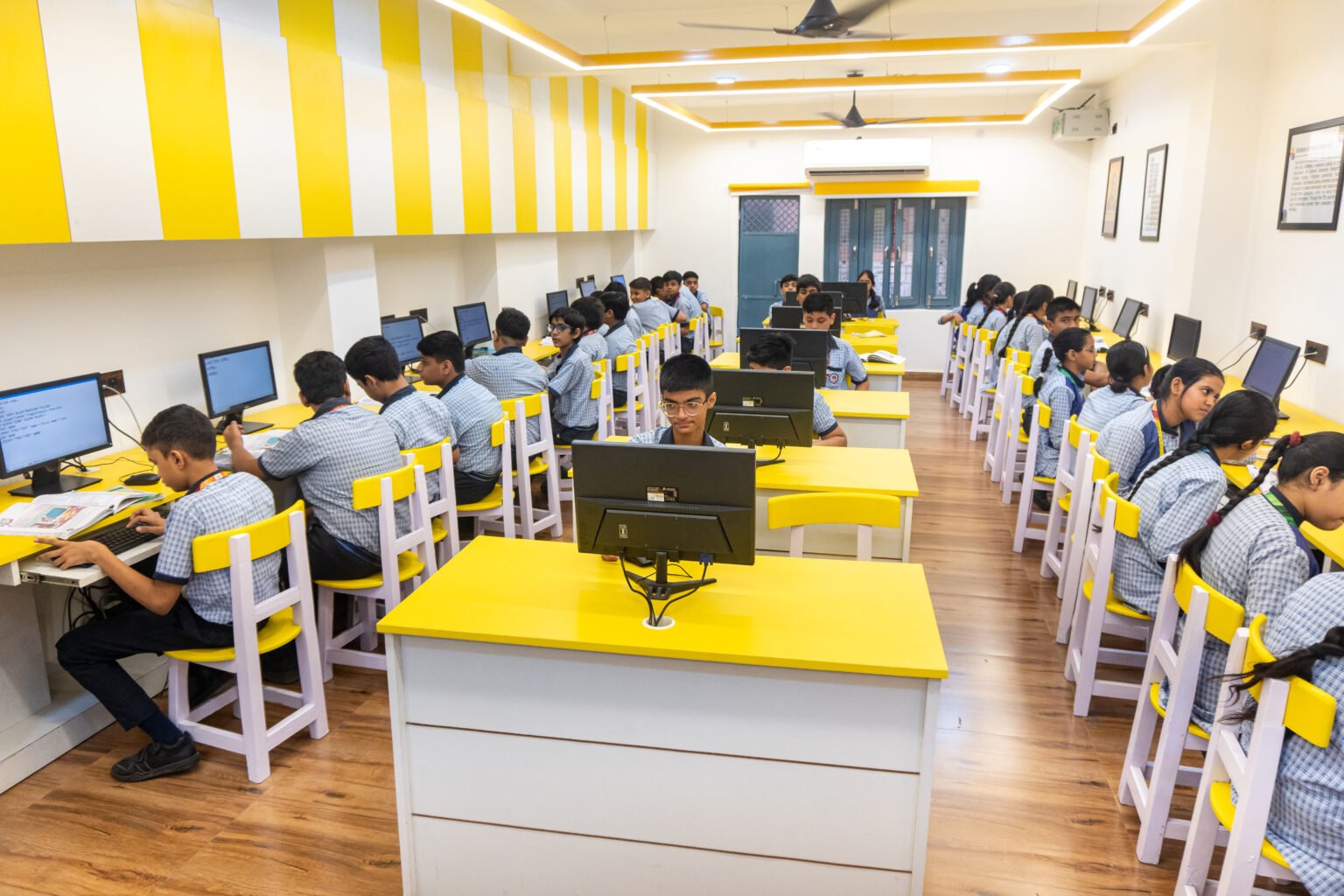
At Little Flowers Public Sr. Sec. School, we provide world-class facilities that support both academic excellence and overall development. Our campus is thoughtfully designed to give students the best environment to learn and grow.











Flexbox is designed for one-dimensional layouts, either a row or a column. It is perfect for navigation bars, centering items, and distributing space within a container. CSS Grid is built for two-dimensional layouts, allowing you to control both rows and columns simultaneously. It is the gold standard for creating complex page structures. By mastering these two systems, you move away from "hacking" layouts and start "structuring" them. The Power of Custom Properties
The "C" in CSS stands for Cascade, and it is the most vital concept to master. The browser follows a specific set of rules to decide which styles win when multiple instructions target the same element. Think of it as a hierarchy of power. Inline styles are the strongest, followed by IDs, then classes, and finally elements.
CSS Demystified: Start Writing CSS with Confidence For many developers, CSS is the most frustrating part of the stack. You change one margin, and a footer three pages away suddenly breaks. You try to center a div, and an hour later, you are staring at a screen full of !important tags and broken dreams. CSS often feels like magic, but it is actually a deeply logical system. Once you understand the underlying mechanics, the frustration fades, and you can start building layouts with genuine confidence. The Cascade and Specificity
A common pitfall is how the browser calculates the total width of an element. By default, padding and borders are added to the width you specify, which often breaks layouts. Using box-sizing: border-box; at the top of your stylesheet ensures that the width you set includes the padding and border. This one small change makes sizing elements infinitely more intuitive. Modern Layout Tools: Flexbox and Grid
CSS Variables, or Custom Properties, have revolutionized how we manage stylesheets. Instead of searching and replacing a hex code fifty times, you can define a variable like --primary-color: #3498db; and use it throughout your project. This makes your code more maintainable and allows for easy implementation of features like dark mode.
Variables also help in creating a design system. By defining your spacing, typography, and color scales as variables, you ensure consistency across your entire application. Debugging with Confidence
Every single element on a web page is a rectangular box. Understanding how these boxes are sized is the key to predictable layouts. The Box Model consists of the content, padding, border, and margin.