Desi Bhabhi Ki — Chudai Vidio 3gp 2mb
Reach Textile Software gives you a billing counter which combines a touch based POS with your barcode scanner and provides a flawless super-fast billing
Try itCall us : 09840075503 10am to 6pm
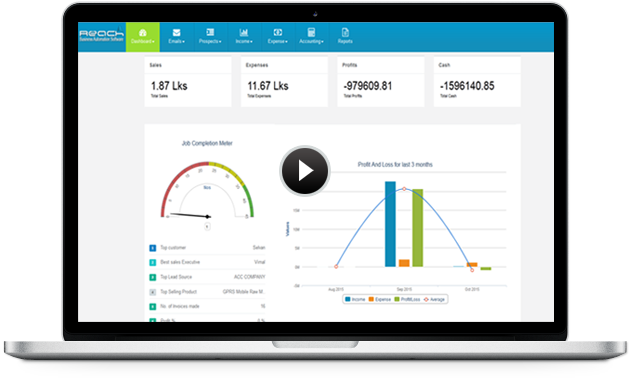
Reach Textile Software gives you a billing counter which combines a touch based POS with your barcode scanner and provides a flawless super-fast billing
Try itCall us : 09840075503 10am to 6pm
Reach Textile Software comes with POS Software through which your billing needs can be fulfilled. Our Textile ERP comes with option for touch based as well as keyboard based billing facility
Our Textile ERP Software comes with barcode facility which is easier for the billing person to bill faster. You can also take barcode printing with our textile ERP
Block below cost sale feature helps you to restrict people from billing lesser than a specified pricing. This will help you to have a control on the pricing of your textile shop
You can print loyalty cards for your customers using our textile ERP. With this feature you will be able to retain your customers.
Top Product Features
Touch and Keyboard Billing counters. Works even when the Internet connection is cut. Seperate Cash and delivery counters.
Create Lots/ Batches, Auto-generate codes and print barcode labels. Read them automatically using a barcode scanner desi bhabhi ki chudai vidio 3gp 2mb
Assaign points for every sale and redeem them whilst billing next time
Auto sync to over 36 Banks, e-stores, Google docs, Google calander, Project management tools, Click to Calls, SMS gateways, Payment Gateways and many others The early 2000s saw television take over with
See offer prices of all vendors while creating purchase orders. add purchase and manage incoming stock.
Show what needs to be shipped and what needs to be received automatically to the store keeper Whether it’s a career choice, a marriage proposal,
Send bills automatically to your accountant and add notes. Prepare VAT, Service Tax, TDS and Excise Reports auotmatically
Stop worrying about system crashes and data theft. Store the data safely on the cloud with Bank level security.
The early 2000s saw television take over with opulent sets, heavy jewelry, and dramatic background scores. These shows turned the "Saas-Bahu" (mother-in-law and daughter-in-law) dynamic into a national obsession.
As India becomes more globalized, family drama is evolving to include the diaspora experience. Stories now explore the "Global Indian"—families navigating life in London or New Jersey while clinging to their roots. The focus is shifting from "obeying elders" to "finding common ground."
Lifestyle stories in this context aren’t just about decor or fashion; they are about dharma (duty). The drama arises when individual desires clash with collective expectations. Whether it’s a career choice, a marriage proposal, or a dispute over ancestral property, the stakes are always high because "Log Kya Kahenge" (What will people say?) looms over every decision. The Evolution: From Celluloid to Streaming
The narrative arc of Indian family dramas has shifted significantly over the decades:
Today, lifestyle stories have moved into the realm of "New India." Platforms like Netflix and Amazon Prime have introduced nuanced portrayals where families deal with mental health, financial instability, and the digital divide. Shows like Gullak or Panchayat trade melodrama for the quiet, humorous, and bittersweet realities of middle-class life. Why We Can't Look Away
The early 2000s saw television take over with opulent sets, heavy jewelry, and dramatic background scores. These shows turned the "Saas-Bahu" (mother-in-law and daughter-in-law) dynamic into a national obsession.
As India becomes more globalized, family drama is evolving to include the diaspora experience. Stories now explore the "Global Indian"—families navigating life in London or New Jersey while clinging to their roots. The focus is shifting from "obeying elders" to "finding common ground."
Lifestyle stories in this context aren’t just about decor or fashion; they are about dharma (duty). The drama arises when individual desires clash with collective expectations. Whether it’s a career choice, a marriage proposal, or a dispute over ancestral property, the stakes are always high because "Log Kya Kahenge" (What will people say?) looms over every decision. The Evolution: From Celluloid to Streaming
The narrative arc of Indian family dramas has shifted significantly over the decades:
Today, lifestyle stories have moved into the realm of "New India." Platforms like Netflix and Amazon Prime have introduced nuanced portrayals where families deal with mental health, financial instability, and the digital divide. Shows like Gullak or Panchayat trade melodrama for the quiet, humorous, and bittersweet realities of middle-class life. Why We Can't Look Away