
Progressing

The addition of the word "hot" to a search query involving passwords usually signals that the user is looking for leaked credentials, "cracked" accounts, or adult content access. Engaging with these types of links poses several threats:
The "2d9544f" is often a unique identifier for a specific file, a password reset request, or a private gallery. The Risks of "Hot" or Leaked Password Links
The "S" stands for secure, meaning the data between your browser and the server is encrypted. However, HTTPS does not mean the website itself is trustworthy; scammers use HTTPS too.
"Hot" links are a common vector for Trojans and ransomware. Clicking the link may trigger a background download that infects your device [5].
If you received this link via SMS or email, do not click it. Navigate directly to the official website of the service in question to log in. Conclusion
Many sites claiming to "get password" for you are actually designed to steal your credentials. Once you enter your email or current password to "unlock" the content, the attackers have what they need to hijack your accounts [2].
Use reputable services like Have I Been Pwned to see if your email address has been compromised in a known leak.
Even if someone discovers your password through a link like the one above, 2FA provides a second layer of defense that keeps them out of your account [2].
Instead of searching for passwords through unverified links, follow these industry-standard practices:
The internet is full of "get password" shortcuts, but most lead to security dead ends. Whether you are trying to recover an account or access specific content, always prioritize official channels over suspicious, token-based URLs.

 Educational Institutes
 AIDER EDU-CARE
ST. THOMAS ACADEMY FOR RESEARCH AND TRAINING - START
ALPHONSA PUBLIC SCHOOL OORAKAM
ALPHONSA SENIOR SECONDARY SCHOOL, THAMARASSERY
ALPHONSA COLLEGE, THIRUVAMBADAY
ALPHA MARIA ACADEMY
AIDER EDU-CARE
ST. THOMAS ACADEMY FOR RESEARCH AND TRAINING - START
ALPHONSA PUBLIC SCHOOL OORAKAM
ALPHONSA SENIOR SECONDARY SCHOOL, THAMARASSERY
ALPHONSA COLLEGE, THIRUVAMBADAY
ALPHA MARIA ACADEMY
 Charitable InstitutesSecular Franciscan Order
POPE JOHN PAUL II INSTITUTE OF COUNSELING &PSYCHOTHERAPY
KARUNA BHAVAN
DIOCESAN EDUCATION EXCELLENCE PROGRAMME - DEEP
Charitable InstitutesSecular Franciscan Order
POPE JOHN PAUL II INSTITUTE OF COUNSELING &PSYCHOTHERAPY
KARUNA BHAVAN
DIOCESAN EDUCATION EXCELLENCE PROGRAMME - DEEP
 Other InstitutesBishop's House
ALPHONSA MINOR SEMINARY
JOHN PAUL II INSTITUTE OF COUNSELING
VIANNEY PRIEST HOME - ERUDE
PASTORAL AND MISSIONARY ORIENTATION CENTRE - PMOC
OASIS SENIOR CARE HOME
KARUNA HOSTEL
GOOD SHEPHERD PRIEST HOME
CALICUT CENTRE FOR ADVANCED MENTAL HEALTH CARE & PSYCHOTHERAPY
BETHANIA RENEWAL CENTRE
Other InstitutesBishop's House
ALPHONSA MINOR SEMINARY
JOHN PAUL II INSTITUTE OF COUNSELING
VIANNEY PRIEST HOME - ERUDE
PASTORAL AND MISSIONARY ORIENTATION CENTRE - PMOC
OASIS SENIOR CARE HOME
KARUNA HOSTEL
GOOD SHEPHERD PRIEST HOME
CALICUT CENTRE FOR ADVANCED MENTAL HEALTH CARE & PSYCHOTHERAPY
BETHANIA RENEWAL CENTRE

The addition of the word "hot" to a search query involving passwords usually signals that the user is looking for leaked credentials, "cracked" accounts, or adult content access. Engaging with these types of links poses several threats:
The "2d9544f" is often a unique identifier for a specific file, a password reset request, or a private gallery. The Risks of "Hot" or Leaked Password Links
The "S" stands for secure, meaning the data between your browser and the server is encrypted. However, HTTPS does not mean the website itself is trustworthy; scammers use HTTPS too.
"Hot" links are a common vector for Trojans and ransomware. Clicking the link may trigger a background download that infects your device [5].
If you received this link via SMS or email, do not click it. Navigate directly to the official website of the service in question to log in. Conclusion
Many sites claiming to "get password" for you are actually designed to steal your credentials. Once you enter your email or current password to "unlock" the content, the attackers have what they need to hijack your accounts [2].
Use reputable services like Have I Been Pwned to see if your email address has been compromised in a known leak.
Even if someone discovers your password through a link like the one above, 2FA provides a second layer of defense that keeps them out of your account [2].
Instead of searching for passwords through unverified links, follow these industry-standard practices:
The internet is full of "get password" shortcuts, but most lead to security dead ends. Whether you are trying to recover an account or access specific content, always prioritize official channels over suspicious, token-based URLs.

 Updates
 Diocese of Mananthavady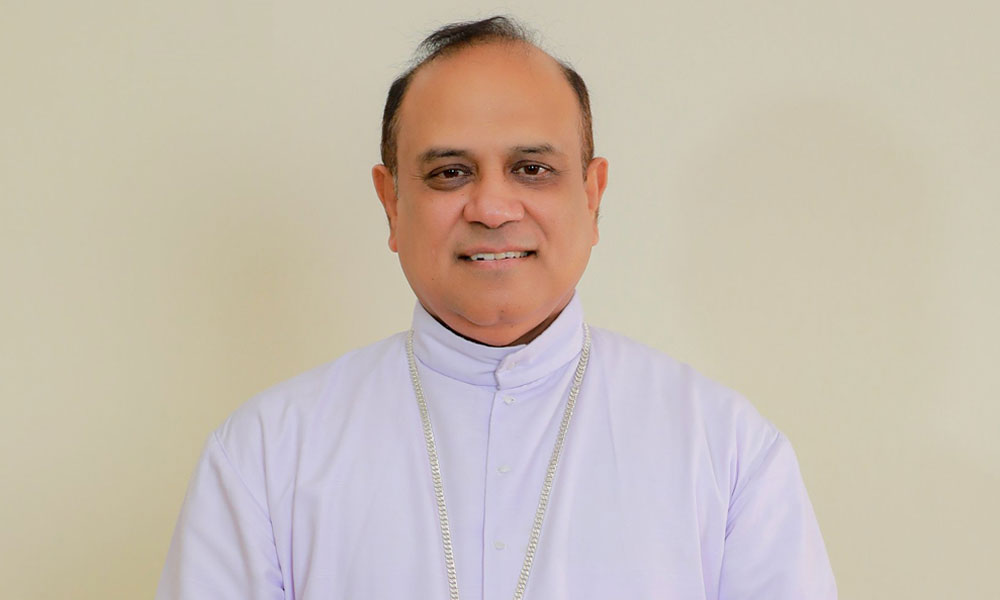
 Parish Location Map
| place | BISHOP'S HOUSE P.B. No. 1, Thamarassery P.O. Kozhikode - 673 573 |
| call | 0495 - 2223376, 2963370 , Mob: +91 9400088376 |
| diocesetmy09@gmail.com |
 Corehub Solutions Pvt. Ltd
Corehub Solutions Pvt. Ltd
Corehub Solutions Pvt. Ltd
 History
 Patroness
 Holy Father
 Major Arch Bishop
 Chronicles
 Administration
 Map of Diocese
 Diocesan Anthem
 Contact Diocese
 Programs
 Messages
 Circulars
 Former Bishops


 News
News Events
 Gallery
 Obituray
 Birthdays
 Important Days
 Downloads