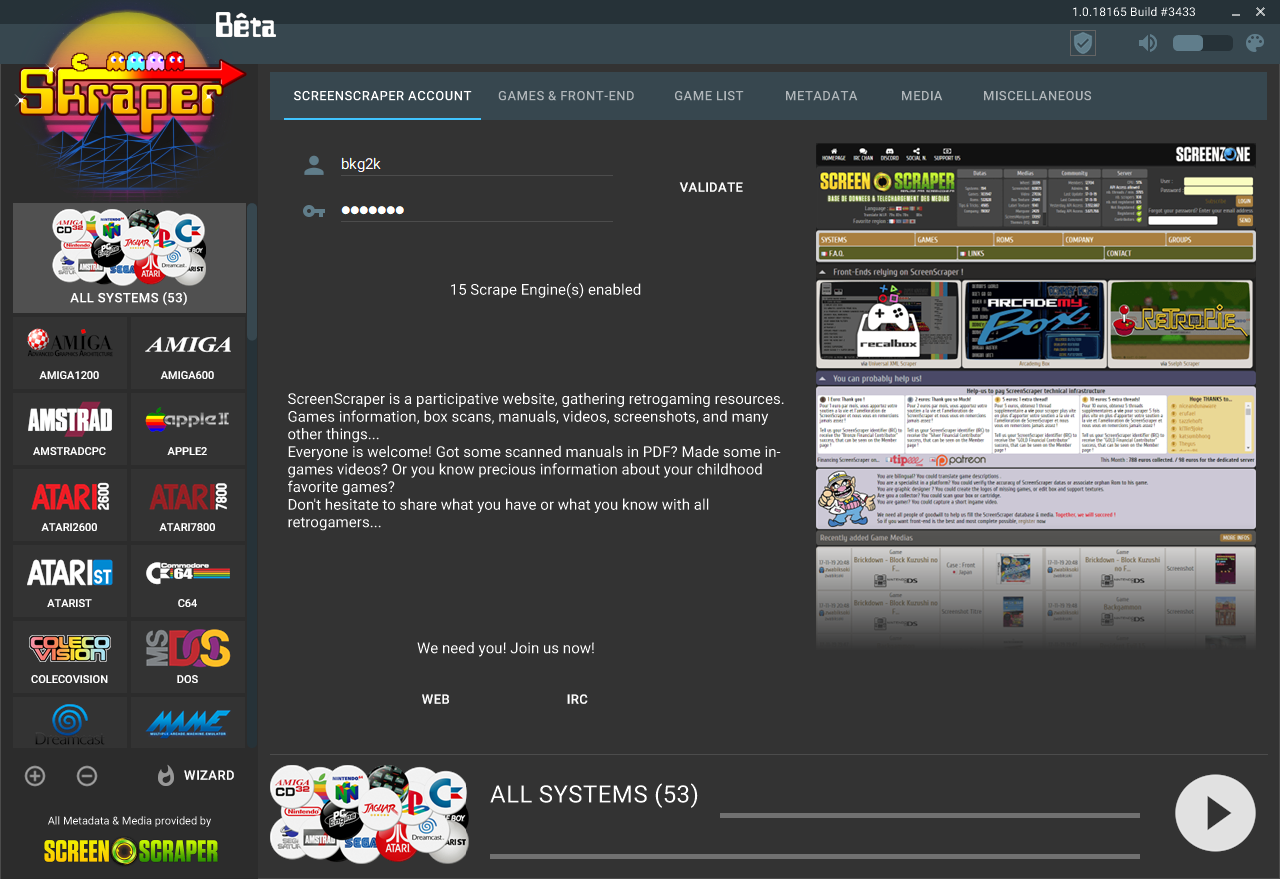
Give your favorite retrogaming software access to thousands of game metadata.
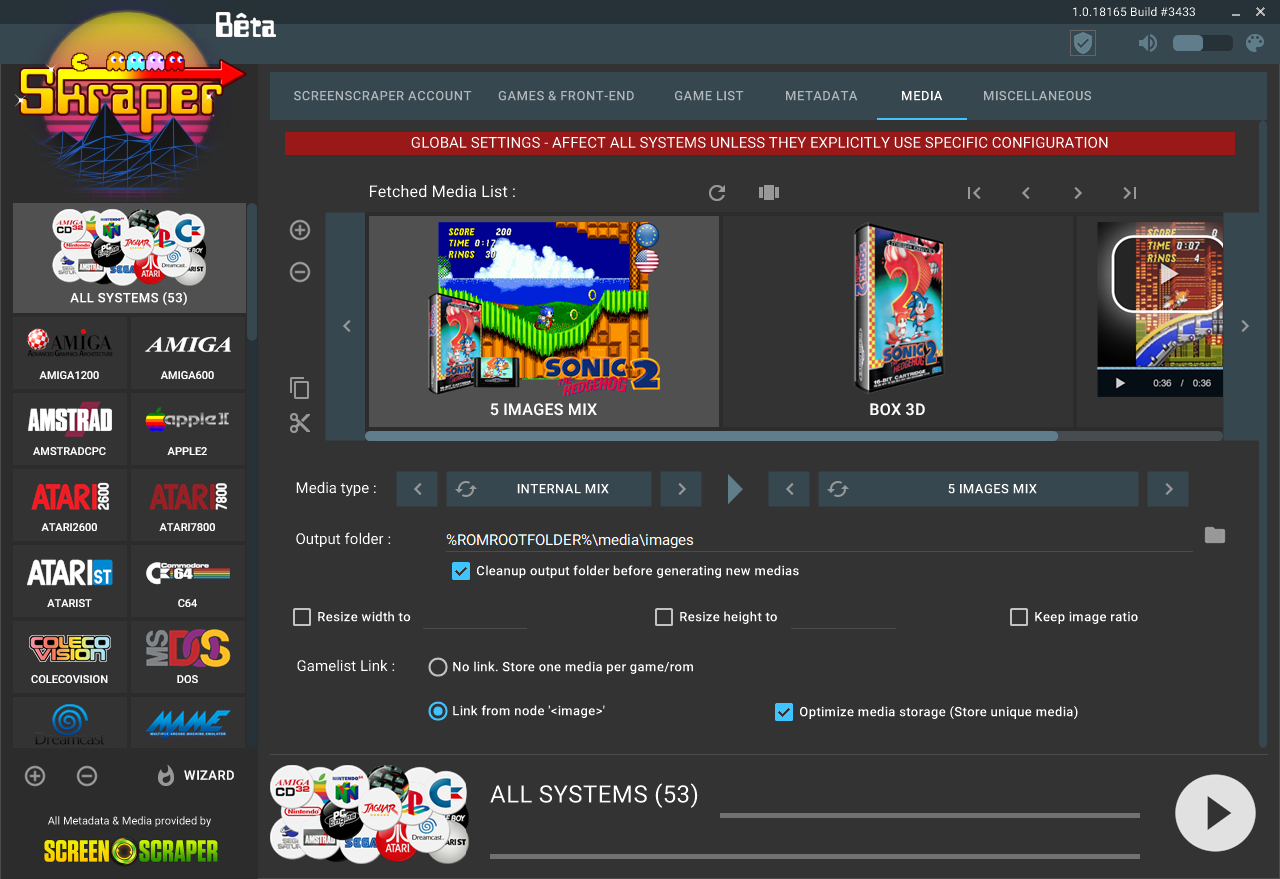
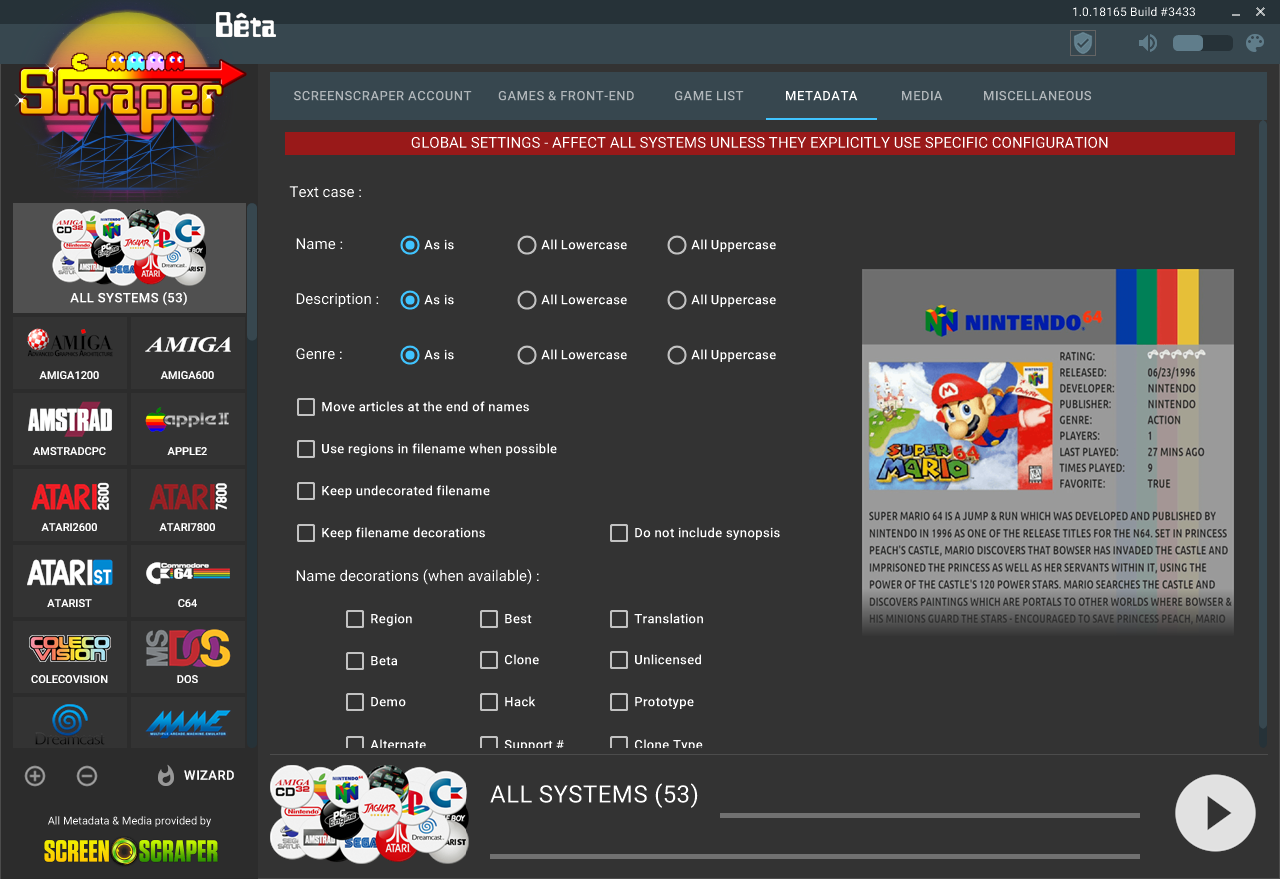
Get high quality pictures: Game's Logo, Screenshots, Flyers, 3D-boxes, SteamGrid...
Get verified information: Synopsis, Genres, Classifications, Number of players, Ratings...
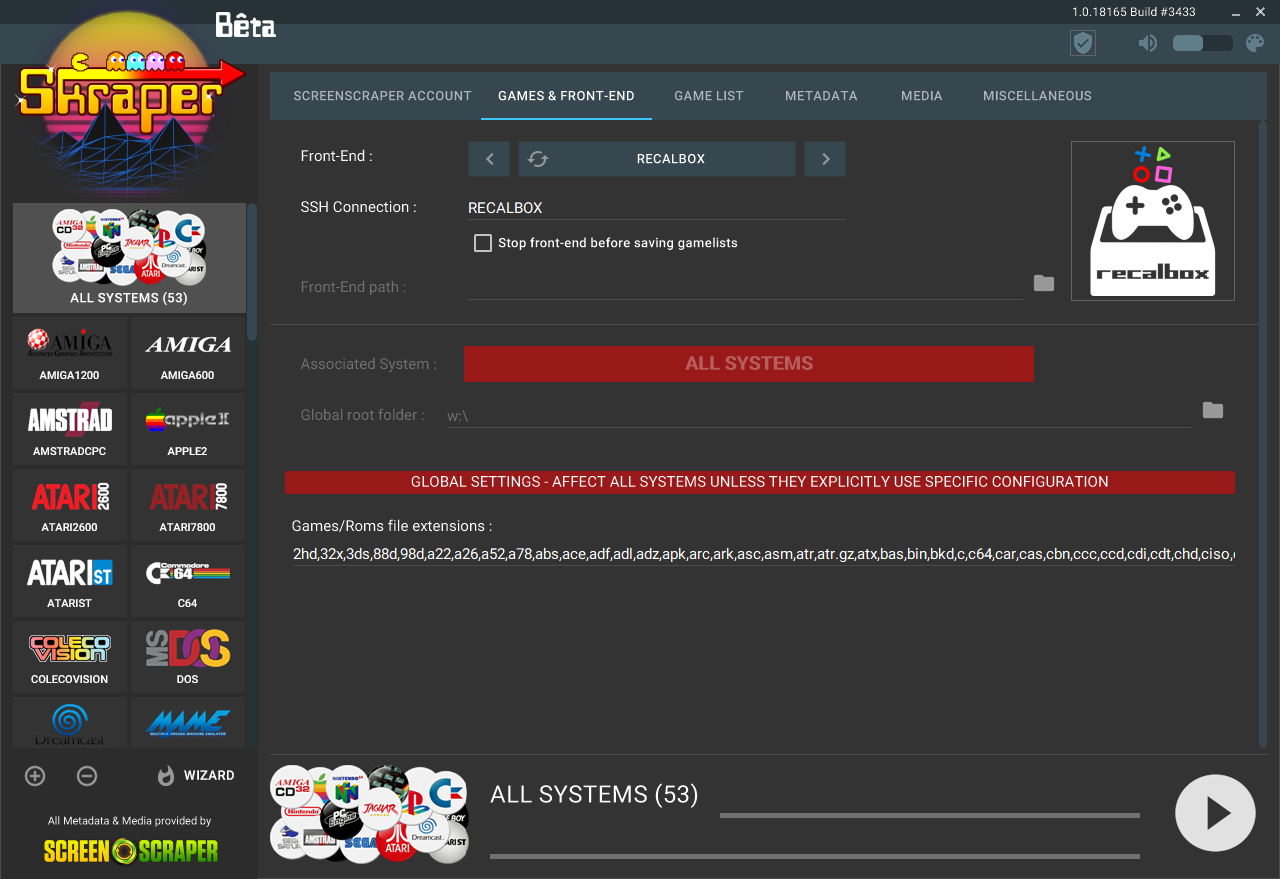
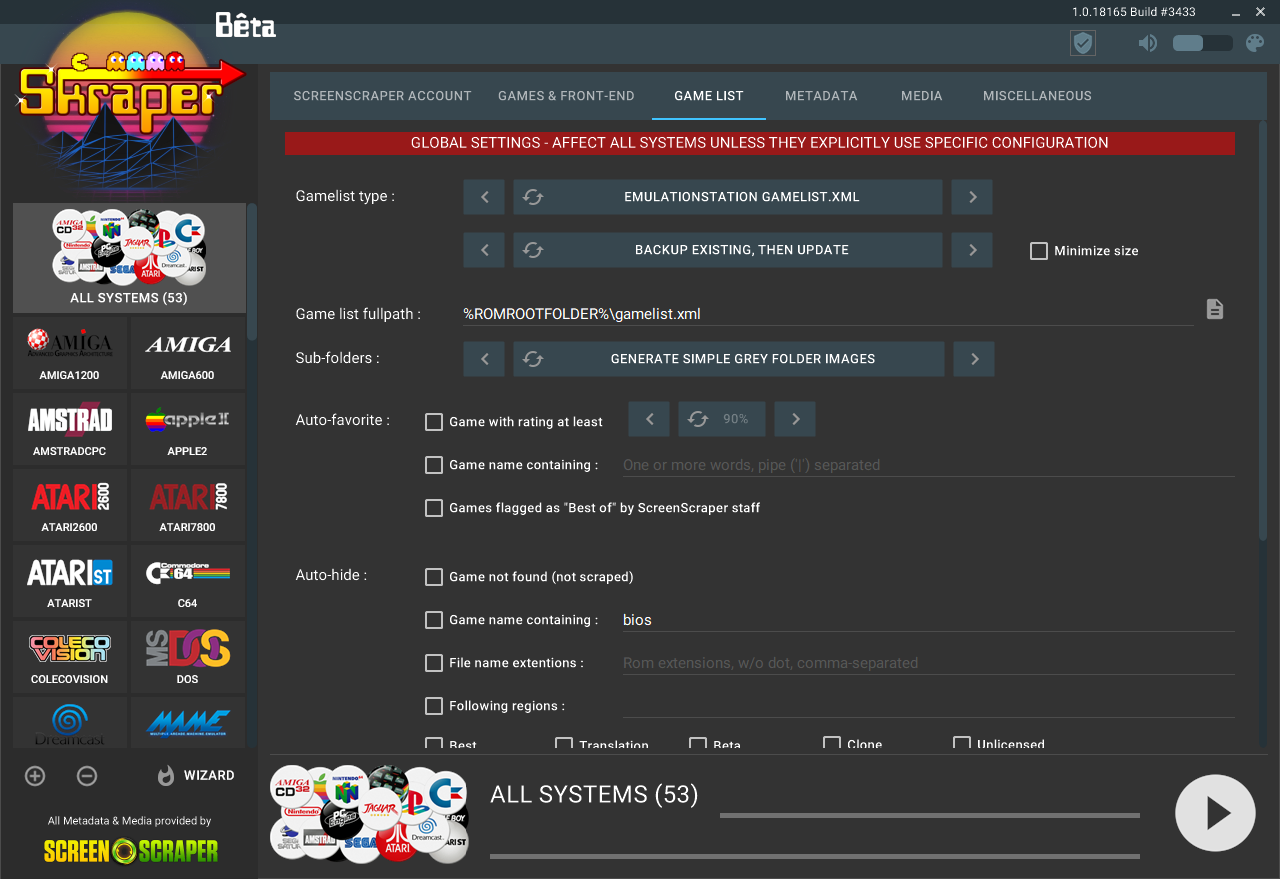
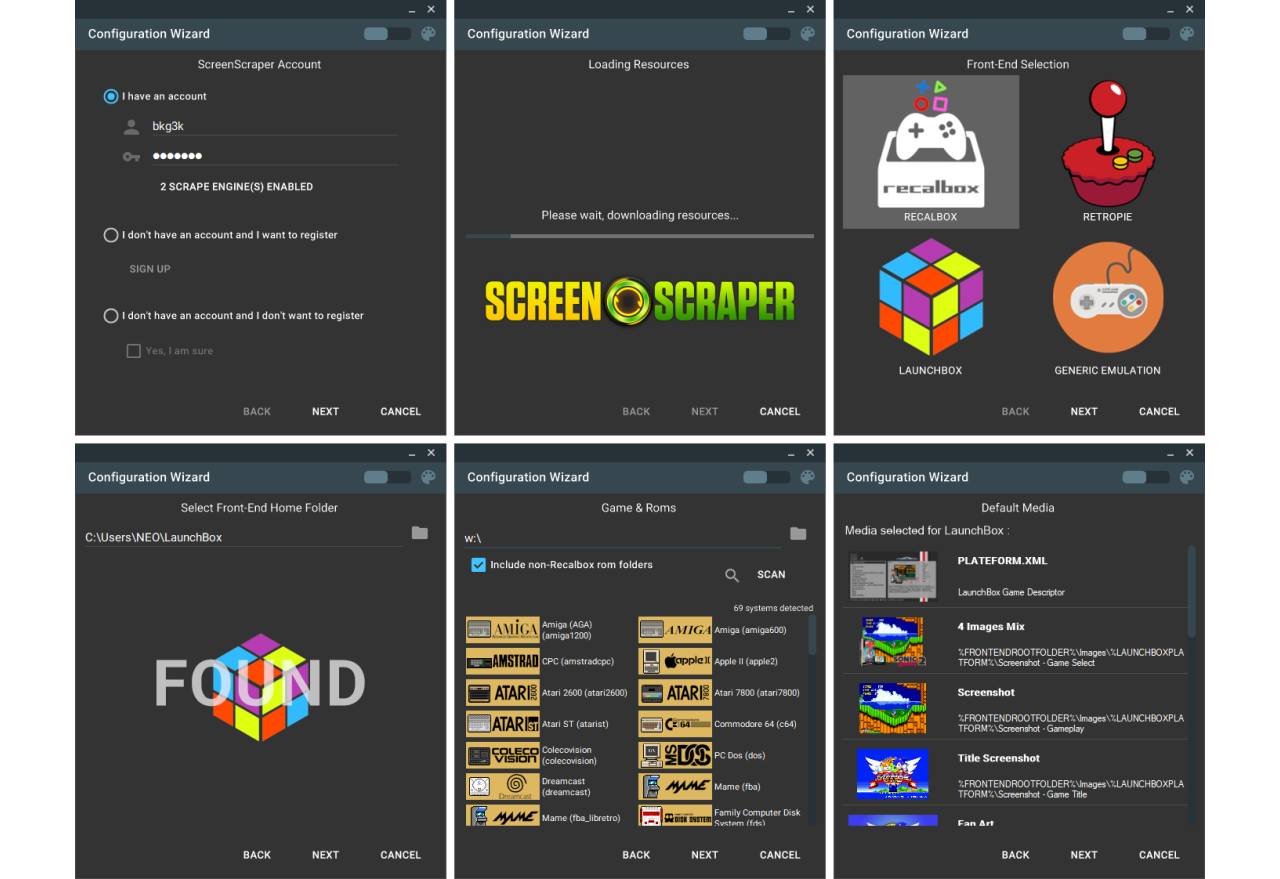
Skraper currently supports EmulationStation metadata through RecalBox & Retropie.
It can fill LaunchBox game list & images more accurately and faster than LaunchBox itself!
New softwares/front-ends will be supported soon: MAME/MAMEUI, ...
All metadata provided by ScreenScraper.fr

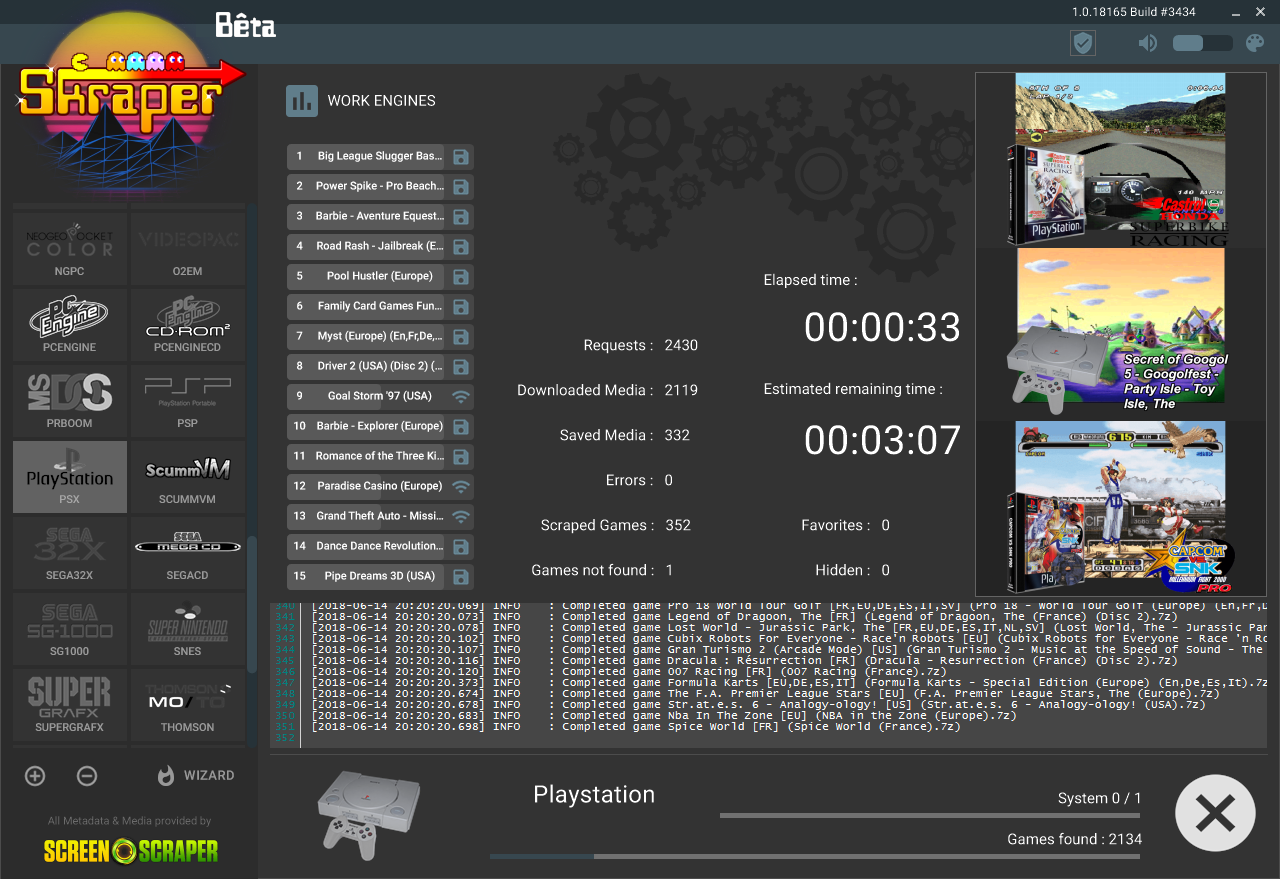
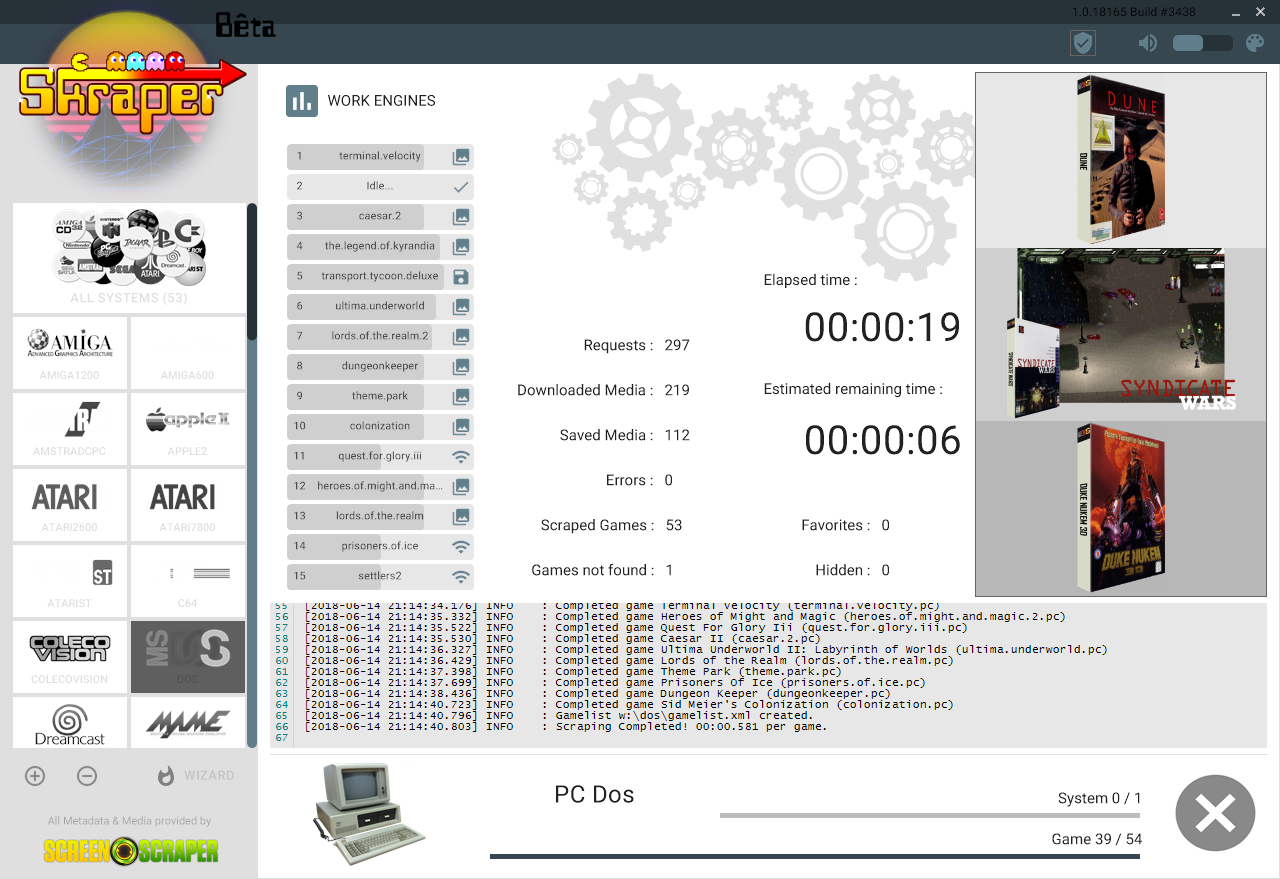
Local cache + Massive optimization & multithreading usage = Less bandwidth, more speed!
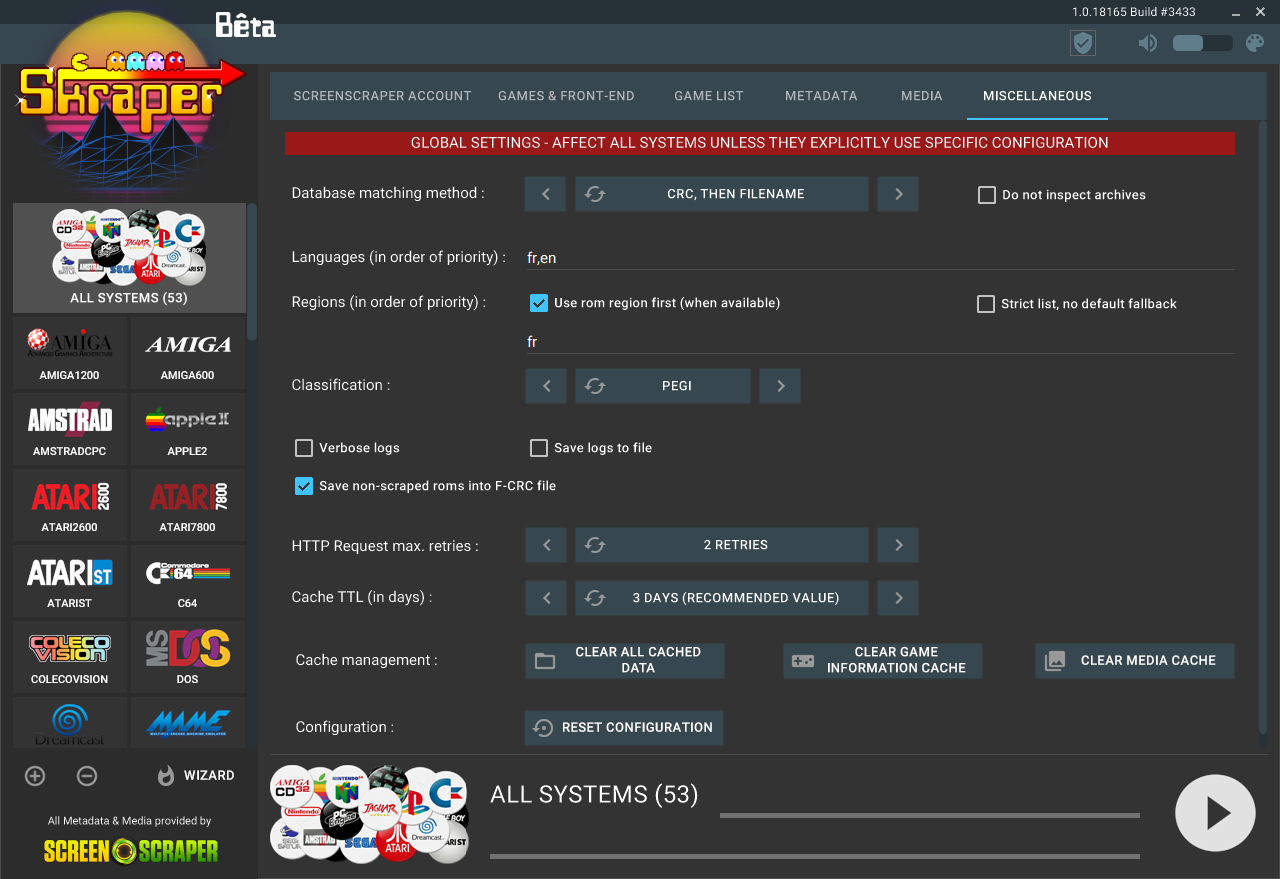
Easy configuration. Use the 5 steps wizard to configure everything in a few minutes and start scraping immediately.
Get what you want and make what you want. Fine tune per system if you wish.
Powerfull & high-quality User-mix supported.
While the world has shifted toward mobile and PC gaming, Japan maintains a robust "Game Center" (arcade) culture. These spaces act as social hubs, keeping the community aspect of gaming alive in a way that has largely vanished in the West. Furthermore, the "JRPG" (Japanese Role-Playing Game) remains a cornerstone of storytelling, emphasizing complex narratives and character development. Traditional Roots in Modern Media
The Japanese entertainment industry is a global powerhouse, blending centuries of rigid tradition with a relentless drive for technological innovation. From the neon-soaked streets of Akihabara to the quiet dignity of a Noh theater, Japan’s cultural exports—often referred to as "Cool Japan"—have transformed the country from a post-war industrial hub into a premier cultural influencer. The Foundation: Harmony Between Old and New
Unlike Western stars who are expected to be polished from day one, Japanese idols are often marketed on their growth. Fans don't just buy a CD; they invest in the performer’s journey. This has created a hyper-loyal fan base and a sophisticated system of "Gacha" mechanics and handshake events that sustain the industry financially. Gaming: From Arcades to E-sports
The most visible pillars of the industry are anime and manga. Unlike Western comics, which were historically viewed as "for kids," manga in Japan covers every conceivable genre—from high-stakes corporate drama to gourmet cooking.
Additionally, the industry is grappling with labor issues, particularly the "crunch" culture in animation studios. However, the rise of digital idols (VTubers) and AI-driven entertainment suggests that Japan will continue to lead the world in defining what "the future of fun" looks like. Conclusion
Japan is the spiritual home of modern gaming. Companies like Nintendo, Sony, and Sega didn't just build hardware; they created cultural icons like Mario and Pikachu.
While the world has shifted toward mobile and PC gaming, Japan maintains a robust "Game Center" (arcade) culture. These spaces act as social hubs, keeping the community aspect of gaming alive in a way that has largely vanished in the West. Furthermore, the "JRPG" (Japanese Role-Playing Game) remains a cornerstone of storytelling, emphasizing complex narratives and character development. Traditional Roots in Modern Media
The Japanese entertainment industry is a global powerhouse, blending centuries of rigid tradition with a relentless drive for technological innovation. From the neon-soaked streets of Akihabara to the quiet dignity of a Noh theater, Japan’s cultural exports—often referred to as "Cool Japan"—have transformed the country from a post-war industrial hub into a premier cultural influencer. The Foundation: Harmony Between Old and New heyzo 0044rohsa kawashima jav uncensored
Unlike Western stars who are expected to be polished from day one, Japanese idols are often marketed on their growth. Fans don't just buy a CD; they invest in the performer’s journey. This has created a hyper-loyal fan base and a sophisticated system of "Gacha" mechanics and handshake events that sustain the industry financially. Gaming: From Arcades to E-sports While the world has shifted toward mobile and
The most visible pillars of the industry are anime and manga. Unlike Western comics, which were historically viewed as "for kids," manga in Japan covers every conceivable genre—from high-stakes corporate drama to gourmet cooking. Traditional Roots in Modern Media The Japanese entertainment
Additionally, the industry is grappling with labor issues, particularly the "crunch" culture in animation studios. However, the rise of digital idols (VTubers) and AI-driven entertainment suggests that Japan will continue to lead the world in defining what "the future of fun" looks like. Conclusion
Japan is the spiritual home of modern gaming. Companies like Nintendo, Sony, and Sega didn't just build hardware; they created cultural icons like Mario and Pikachu.