Jewell - Marceau-weekend Slave.avi

Boy next door ... or stalker next door?

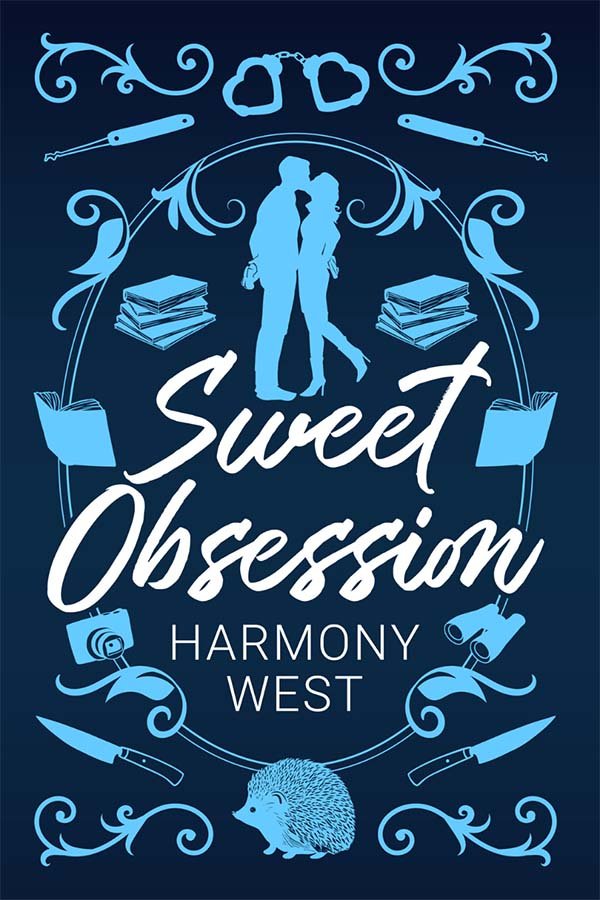
“The first boy I ever loved might be a murderer.”

After Sophie Mariano disappeared, I took the perfect life she left behind—the spot on the cheer squad, the friends, and the gorgeous boyfriend.

But now Sophie’s brother, Miles, is back, and he’s looking for his missing sister. He’s staying with his grandma in my duplex, which means there’s nothing but a door separating us each night. I should be afraid of him—everyone thinks he killed his sister. But I’m not afraid of Miles. I’m afraid of how much I want him.

There is one person I’m afraid of, though: whoever’s sending me creepy, anonymous messages and photos. They’re following me around town, to work, to my house. According to Miles, the same thing happened to Sophie before she disappeared. Whoever was stalking her is now stalking me.

The DMs escalate to vandalism, blackmail, break-ins, and death threats. My stalker wants to ruin my life. They want to break me. They want me dead. If Miles and I don’t figure out what happened to Sophie and who’s been stalking us both …

I’ll be the next girl to disappear.

Bad boy, hate to love, cohabitation, slow burn, second chance, small town, love triangle

Trigger Warnings

STALKING
GASLIGHTING
OMD
DEATH THREATS
BLOOD
VIRGIN HEROINE
STRANGULATION
STABBING
BREATH PLAY
GRAPHIC VIOLENCE
PUBLIC SEXUAL ACTIVITIES
CHEATING
DEATH
EMOTIONAL ABUSE
MENTIONS OF HOMICIDE + SUICIDE
ABUSIVE RELATIONSHIP

Other Standalones

Jewell - Marceau-weekend Slave.avi

Searching for specific legacy filenames often reflects an interest in media history or a desire to find original versions of content that may have been altered or lost during the transition to modern digital platforms. This specific string highlights how digital footprints from twenty years ago continue to persist in modern search algorithms, serving as a reminder of the internet's early, decentralized landscape.

The keyword "Jewell Marceau-Weekend Slave.avi" serves as a digital artifact from a specific era of internet history, particularly the early 2000s when file-sharing and digital video compression were first becoming mainstream. The Era of the .avi Extension Jewell Marceau-Weekend Slave.avi

The specific naming convention seen in the keyword—identifying a performer, a title, and a file format—is typical of how digital libraries were organized before the advent of modern streaming services. In the early days of the web, enthusiasts of various genres, from independent films to niche documentaries, relied on these specific filenames to catalog and share media. The Transition to Modern Distribution Searching for specific legacy filenames often reflects an

The use of the ".avi" (Audio Video Interleave) extension is a hallmark of the peer-to-peer (P2P) file-sharing era. Introduced by Microsoft in 1992, AVI became one of the most common containers for video content on platforms like LimeWire, Kazaa, and eMule. Because high-speed internet was not yet universal, these files represented a balance between visual quality and file size that allowed for the distribution of niche media across the globe. Digital Archiving and Naming Conventions The Era of the

As technology evolved, the AVI format was largely superseded by more efficient containers like MP4 and MKV. Similarly, the way users consume media shifted from downloading individual files to accessing massive, centralized streaming databases.
Searching for specific legacy filenames often reflects an interest in media history or a desire to find original versions of content that may have been altered or lost during the transition to modern digital platforms. This specific string highlights how digital footprints from twenty years ago continue to persist in modern search algorithms, serving as a reminder of the internet's early, decentralized landscape.

The keyword "Jewell Marceau-Weekend Slave.avi" serves as a digital artifact from a specific era of internet history, particularly the early 2000s when file-sharing and digital video compression were first becoming mainstream. The Era of the .avi Extension

The specific naming convention seen in the keyword—identifying a performer, a title, and a file format—is typical of how digital libraries were organized before the advent of modern streaming services. In the early days of the web, enthusiasts of various genres, from independent films to niche documentaries, relied on these specific filenames to catalog and share media. The Transition to Modern Distribution

The use of the ".avi" (Audio Video Interleave) extension is a hallmark of the peer-to-peer (P2P) file-sharing era. Introduced by Microsoft in 1992, AVI became one of the most common containers for video content on platforms like LimeWire, Kazaa, and eMule. Because high-speed internet was not yet universal, these files represented a balance between visual quality and file size that allowed for the distribution of niche media across the globe. Digital Archiving and Naming Conventions

As technology evolved, the AVI format was largely superseded by more efficient containers like MP4 and MKV. Similarly, the way users consume media shifted from downloading individual files to accessing massive, centralized streaming databases.

Jewell - Marceau-weekend Slave.avi

eBooks enrolled in Kindle Unlimited are only available through Amazon.

Don’t have a Kindle?

  1. Purchase the ebook you’d like to read on a non-Kindle device through Amazon.

  2. Email your Amazon proof of purchase to Harmony's assistant, at

  3. Receive your personalized, one-time download link that will enable you to read on your e-Reader of choice.

Have a smart phone?

You can get the Kindle App on your phone and start reading instantly. CLICK HERE to learn more on Amazon and download the app.

Please note:

This is ONLY for ebooks. Meaning, you must purchase the ebook through Amazon to get a read anywhere link for an ebook. Other formats purchased (such as a paperback) do not qualify to receive an eBook.