






 Game Info
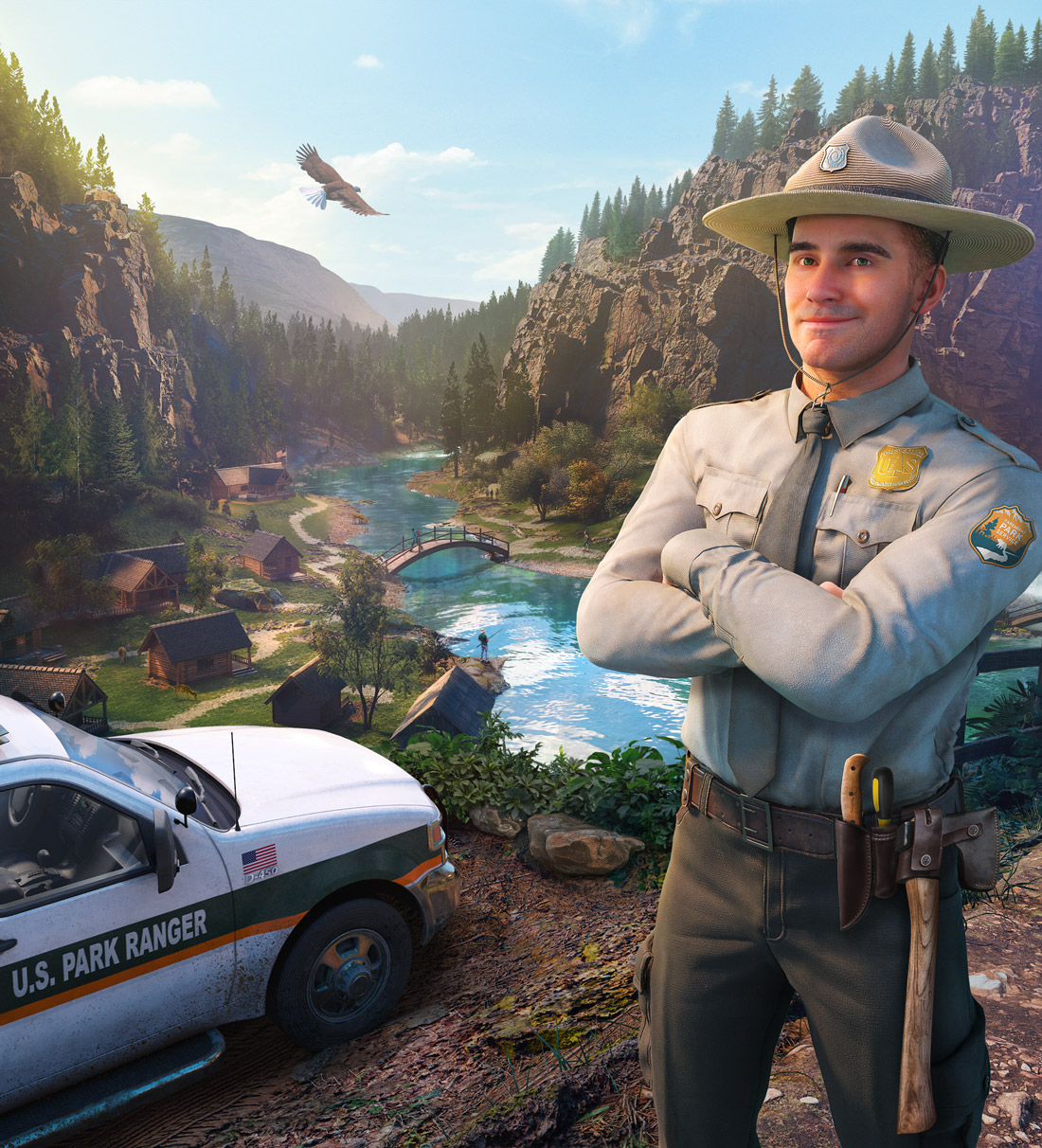
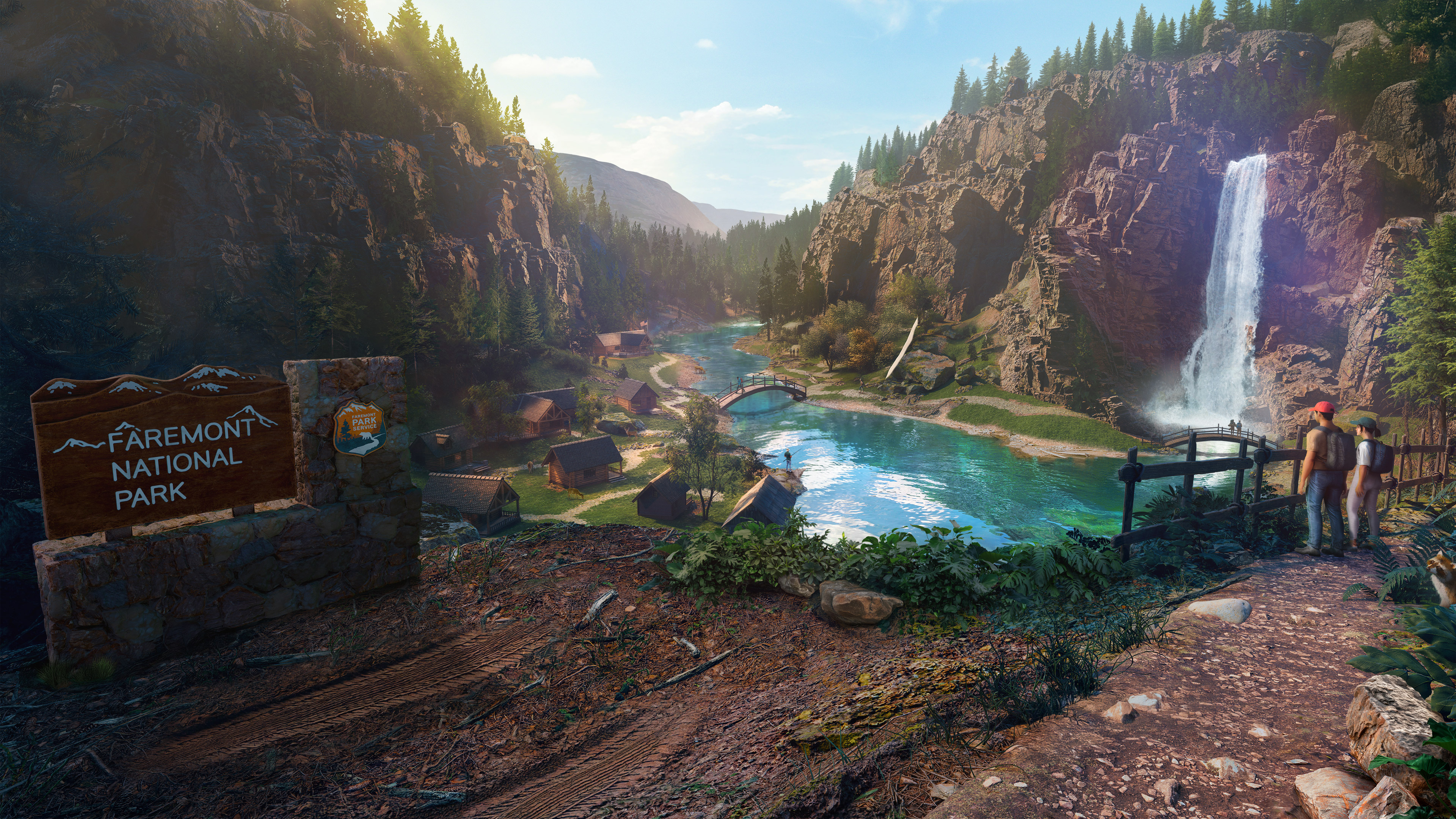
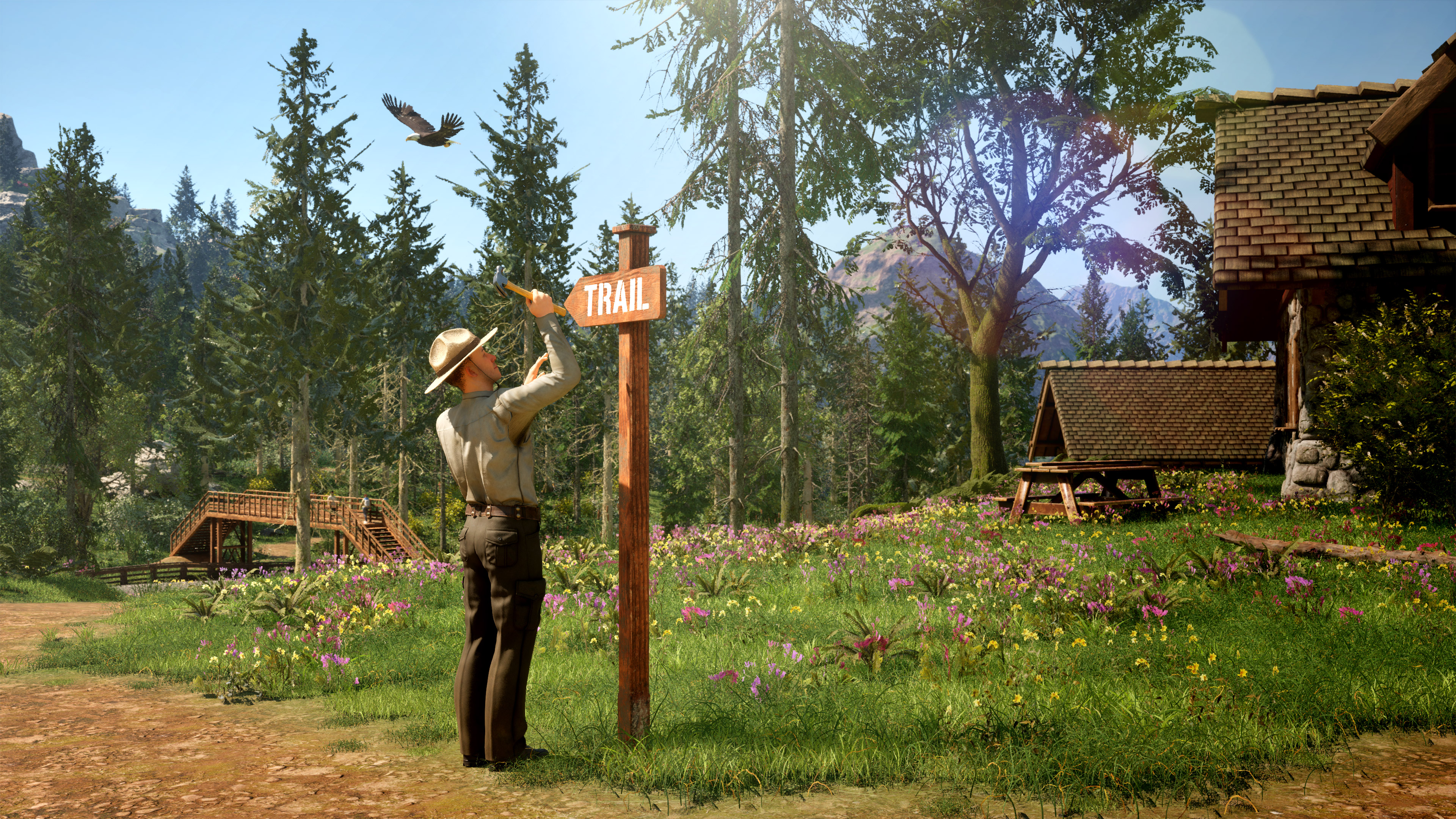
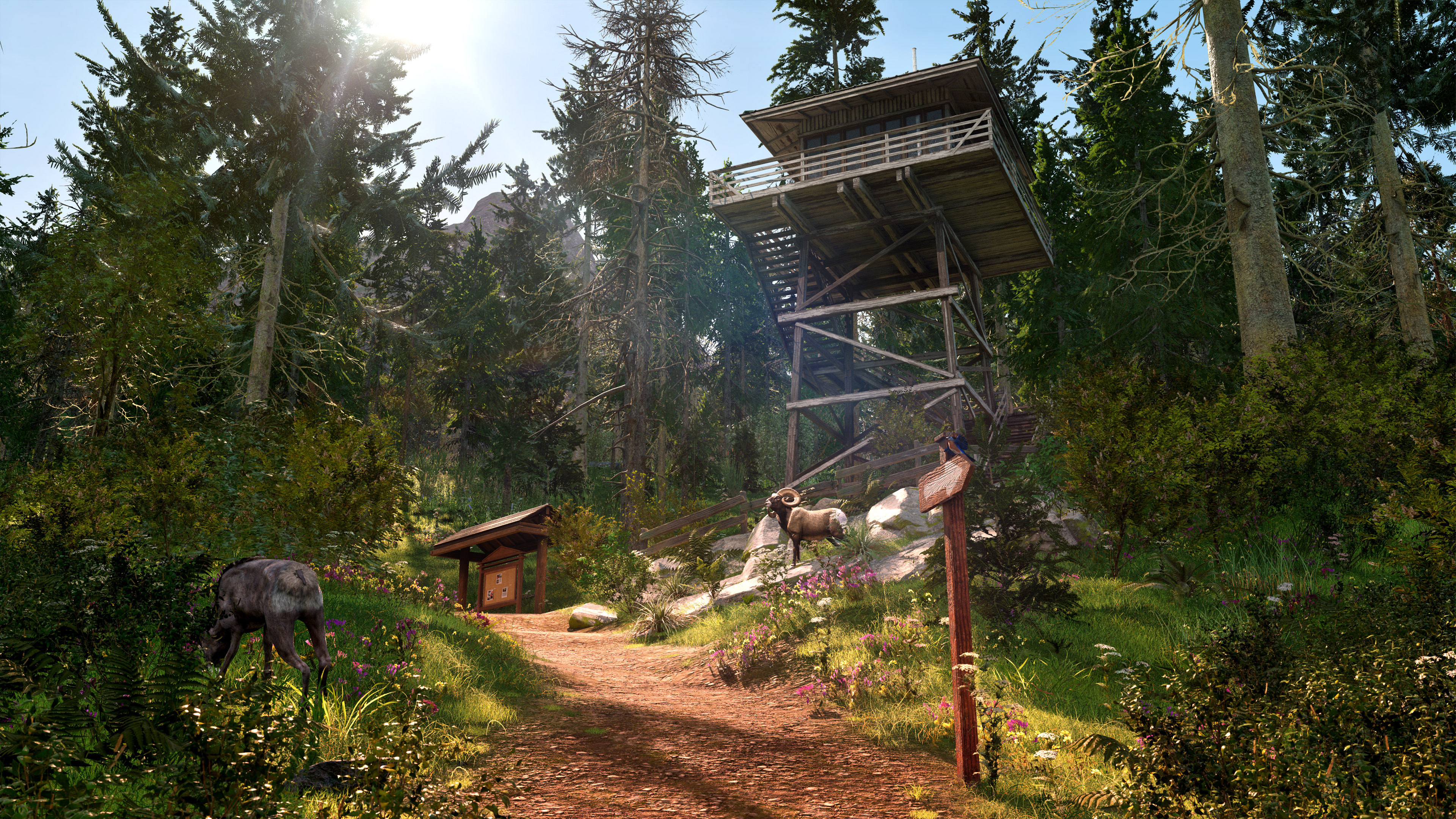
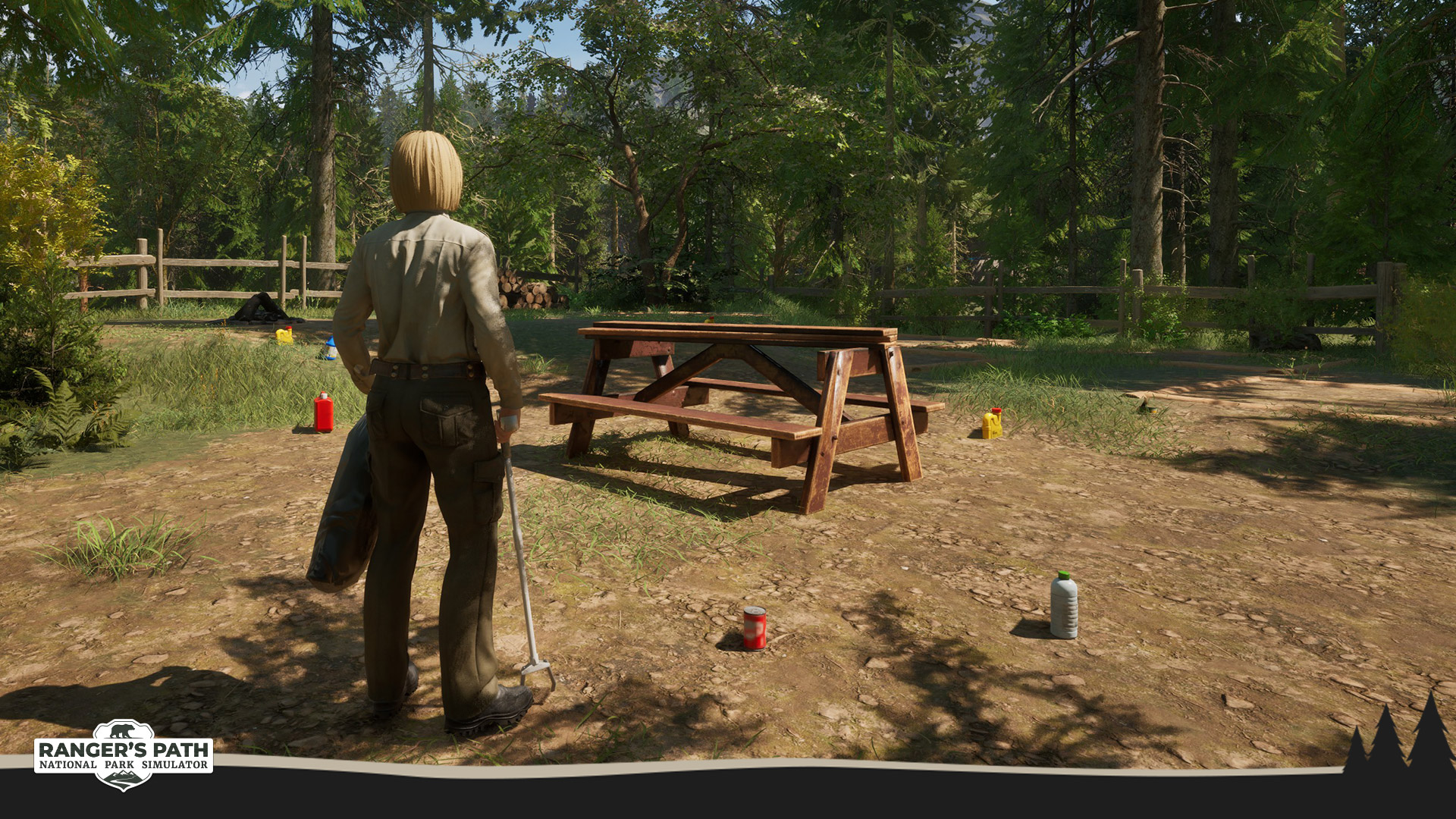
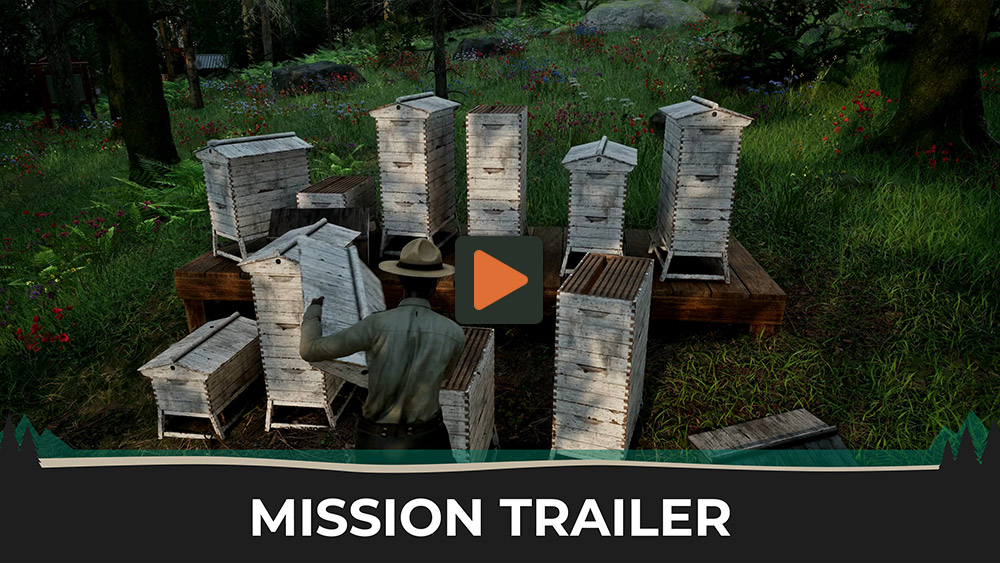
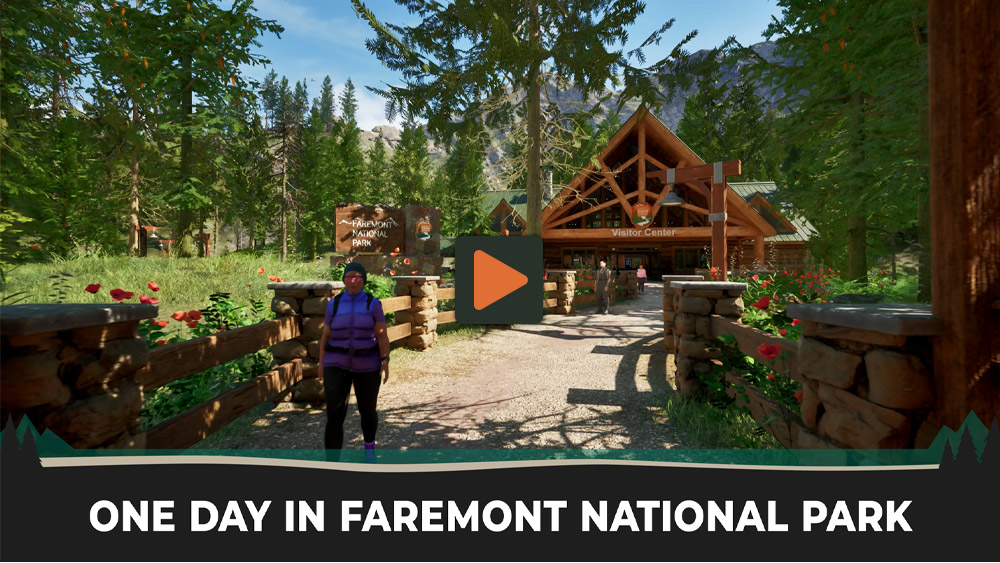
In Ranger’s Path: National Park Simulator, you take on the everyday responsibilities of a real park ranger in the stunning Faremont National Park. Restore and maintain scenic trails, assist visitors, and document wildlife in a living, breathing ecosystem.
You’ll clear blocked paths, care for local flora, fix broken signs, step in when park rules are broken and take on larger assignments across the park – and occasionally drop everything to respond to urgent wildlife sightings or missing hikers. Each day brings new tasks and surprises. kerala mallu sex exclusive
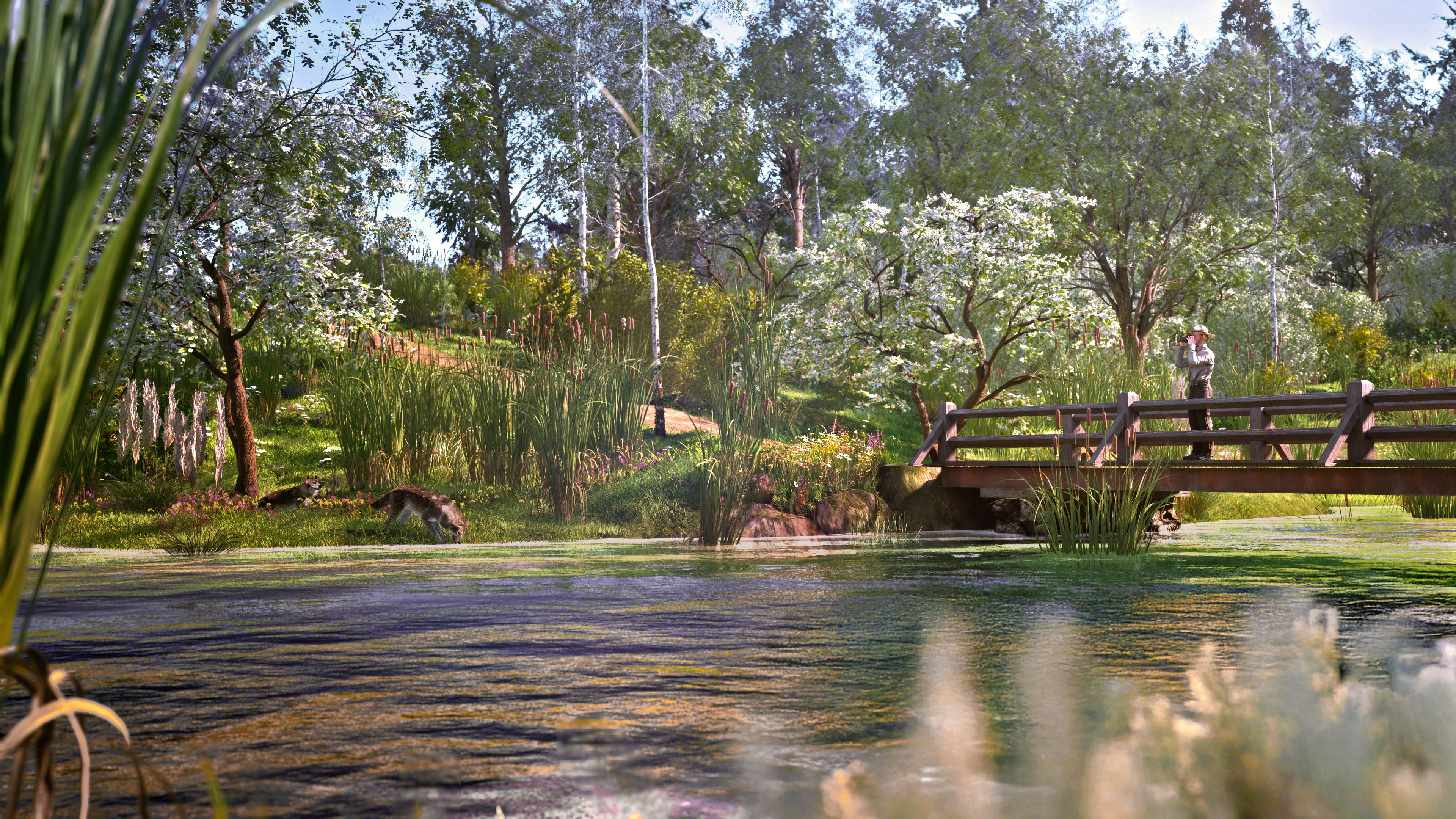
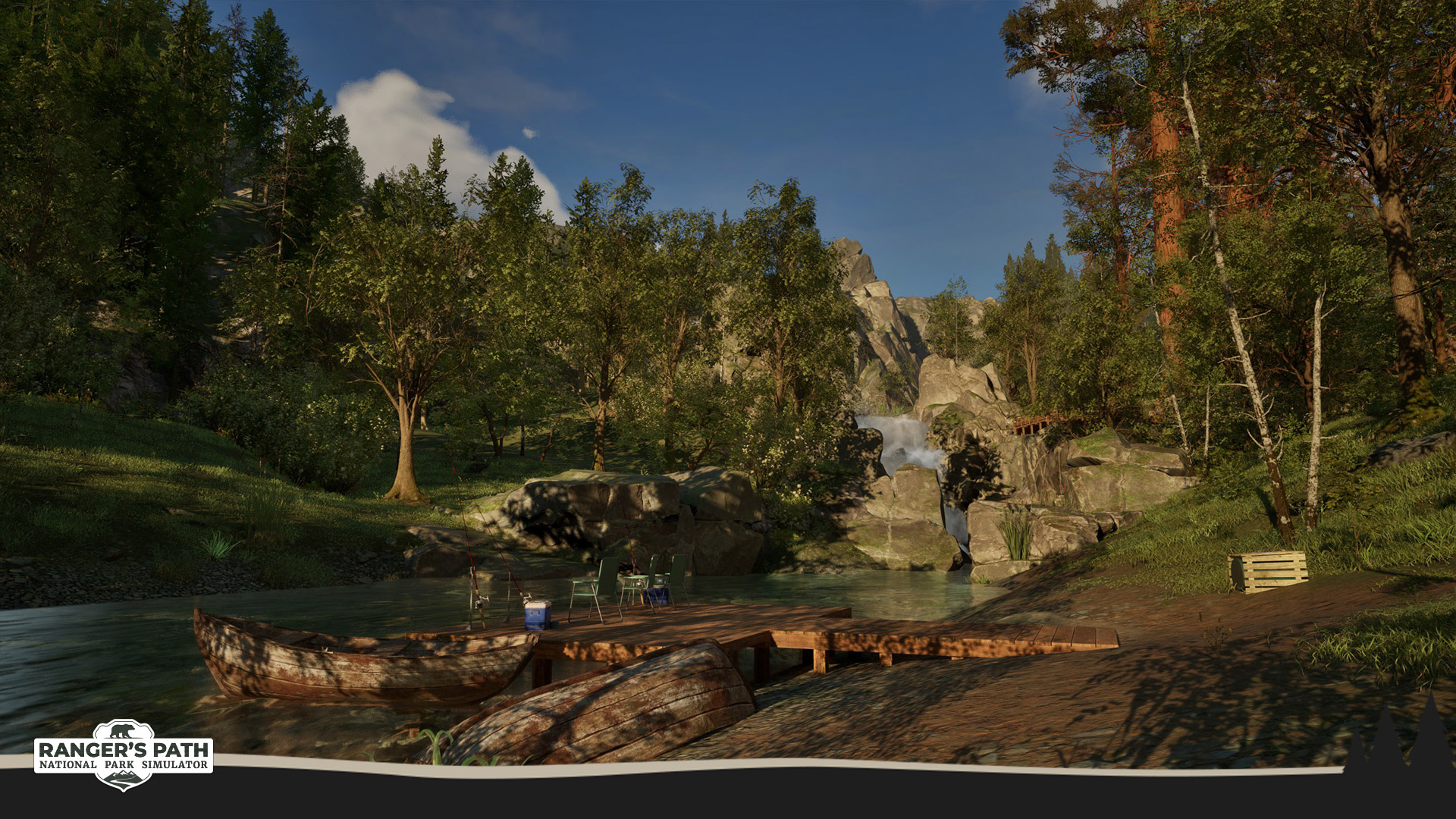
Faremont’s diverse biomes range from dense forests and meadows to winding rivers. With your ranger vehicles, you’ll cover long distances along the park’s road network, reaching remote areas filled with natural landmarks like waterfalls, rock formations, and scenic viewpoints. This period was marked by films that addressed
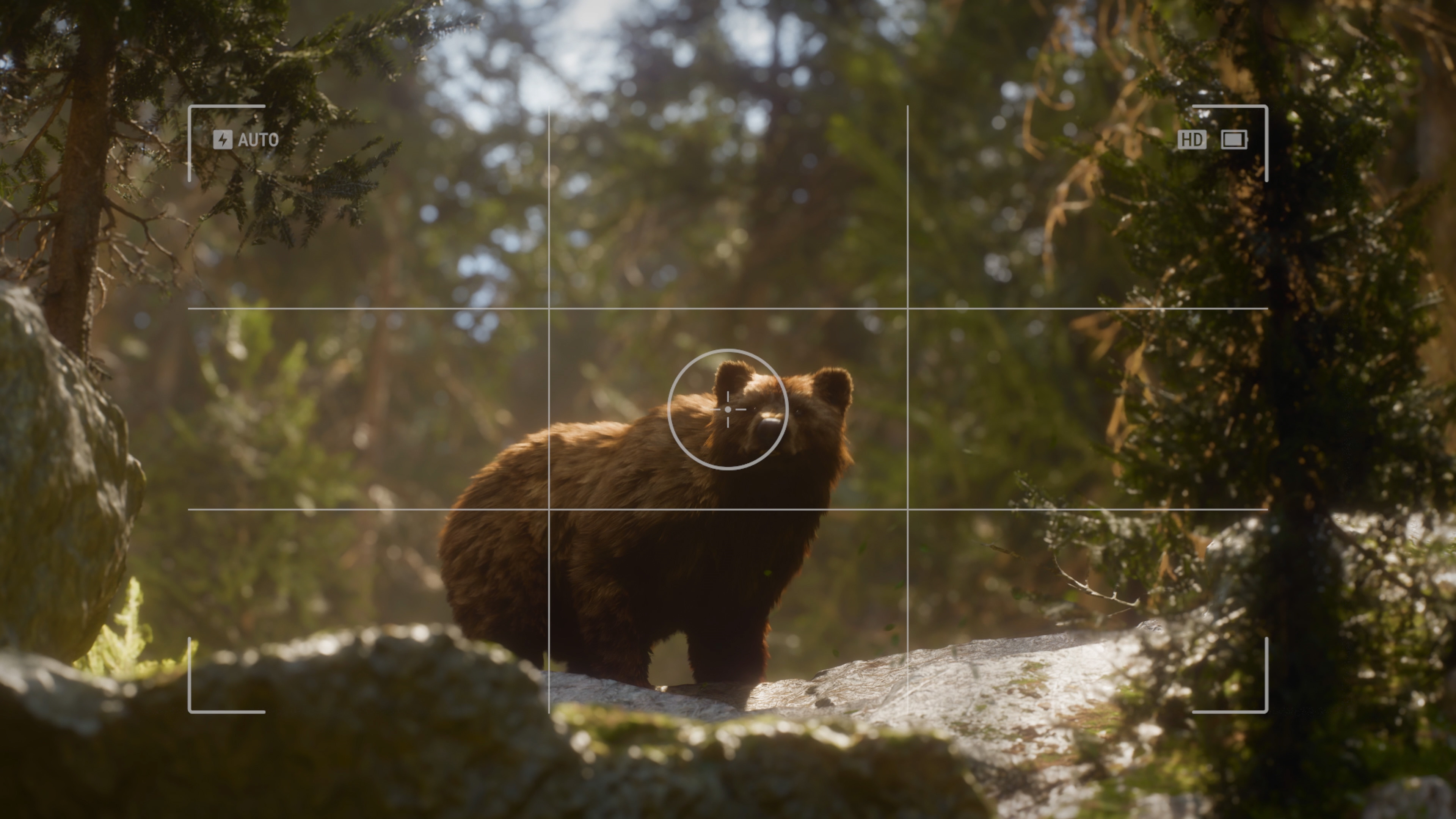
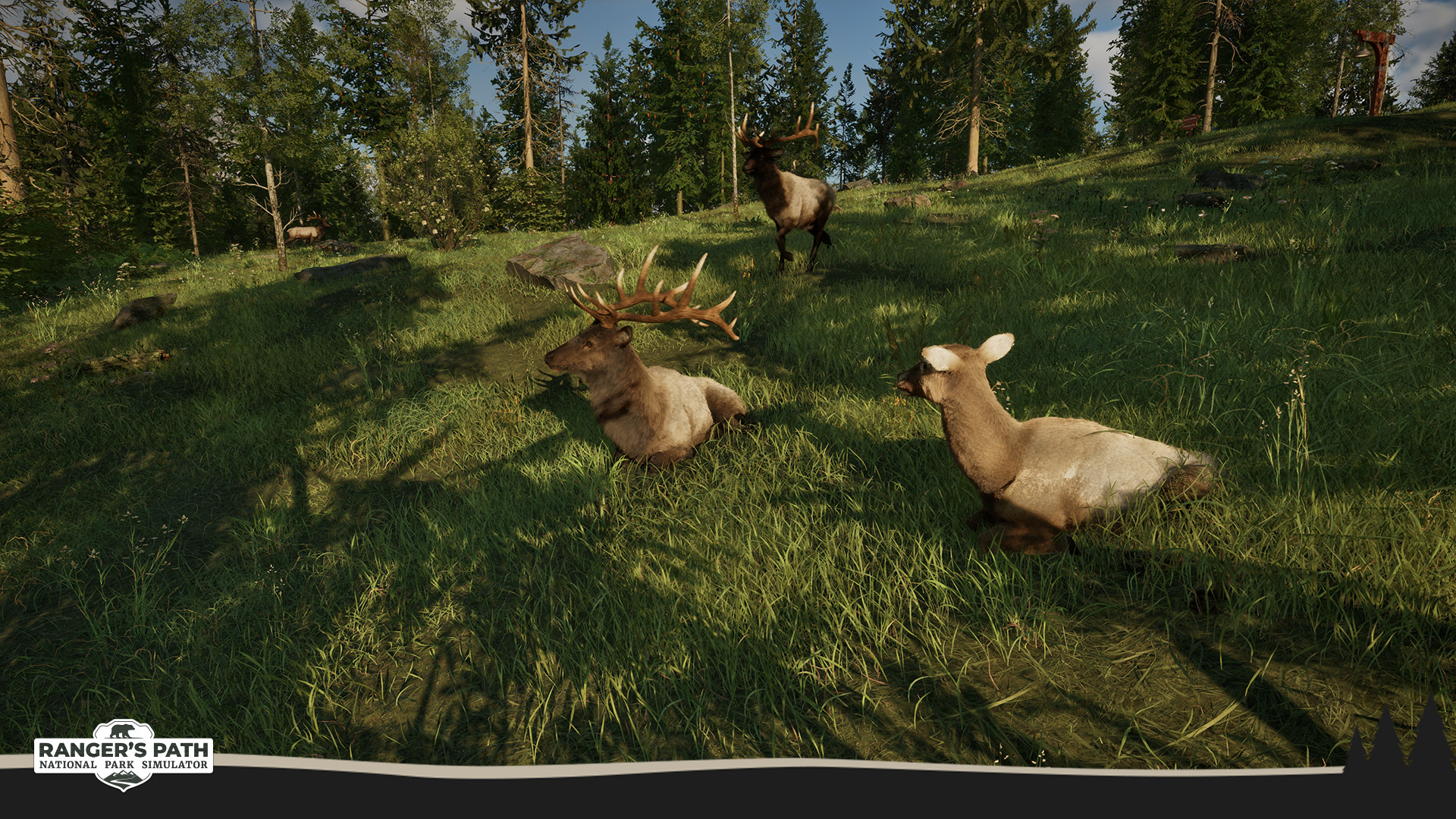
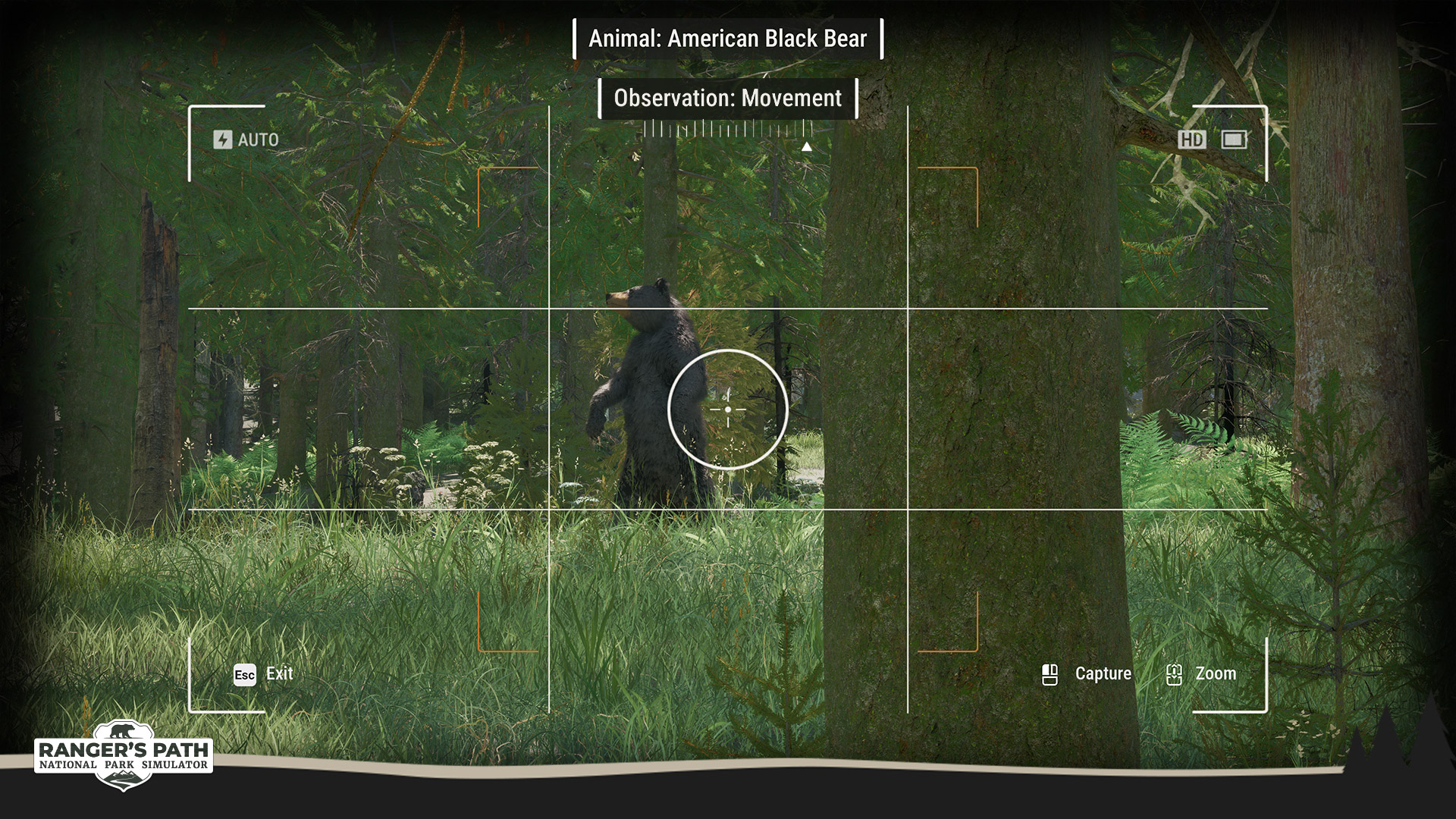
As you explore, use your camera to observe animal behavior and expand your personal wildlife lexicon. From elusive wolves and majestic eagles to mischievous raccoons, each species adds life to the park’s biological habitat. Kerala's rich literary heritage has been its greatest
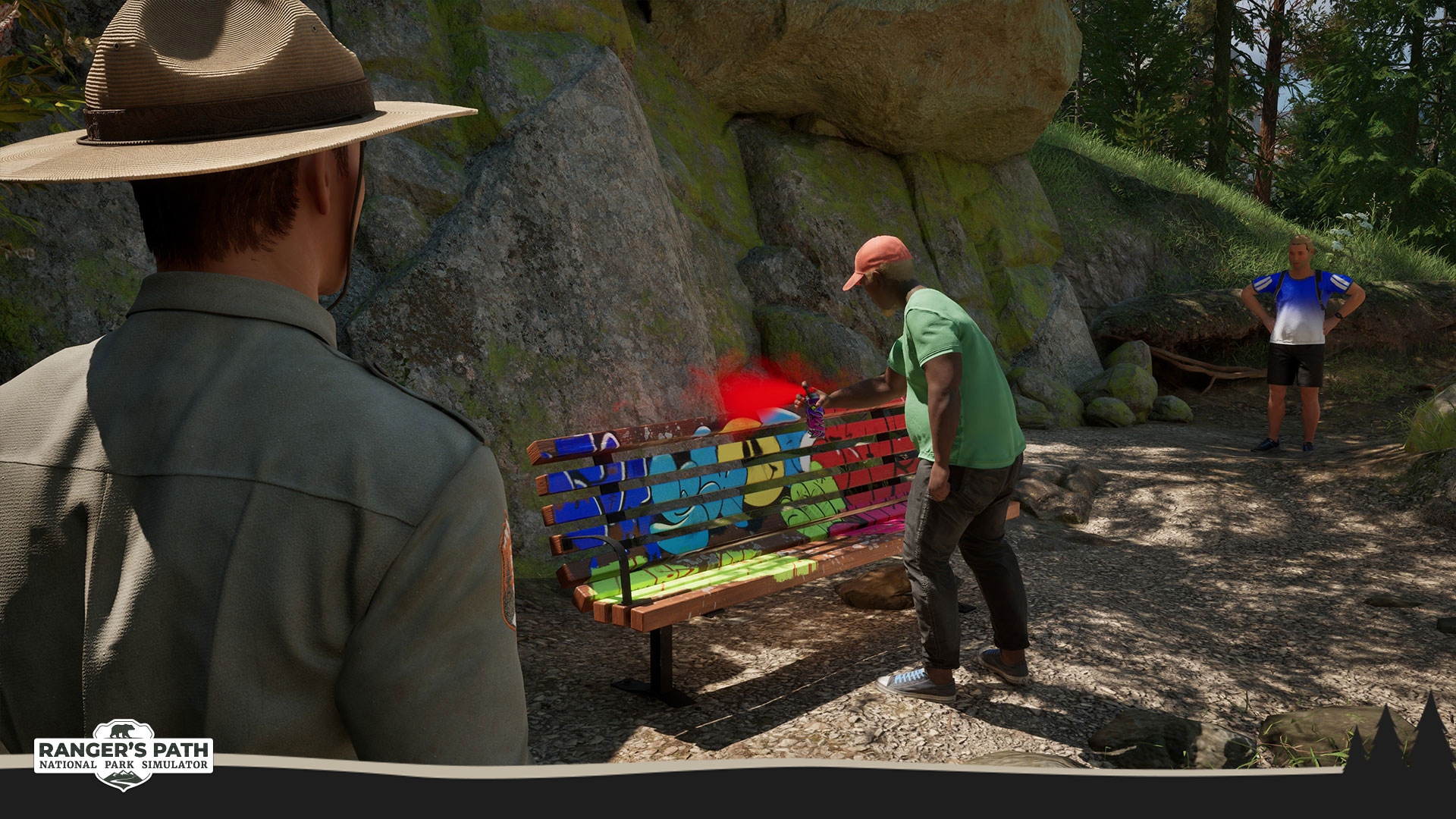
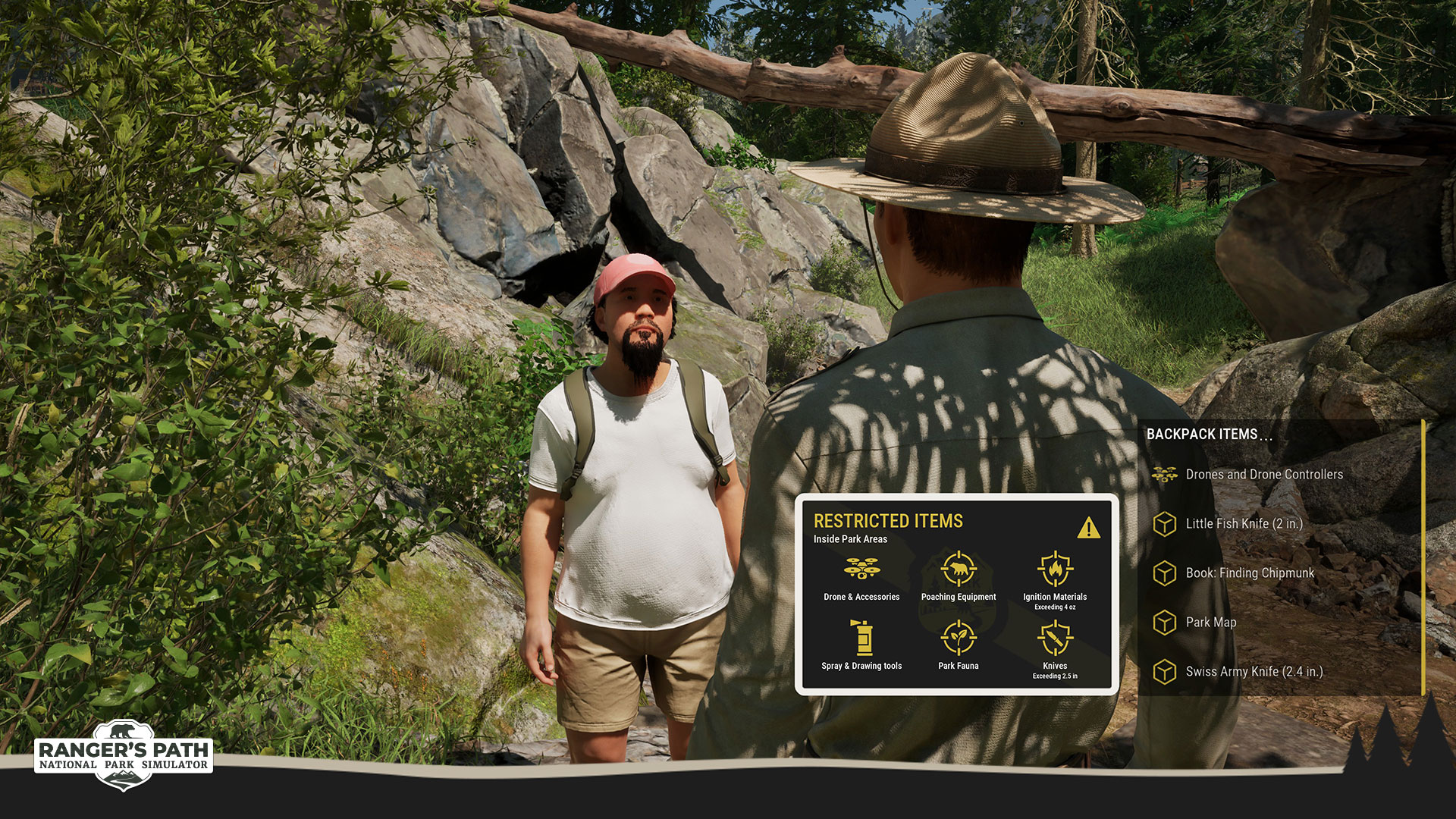
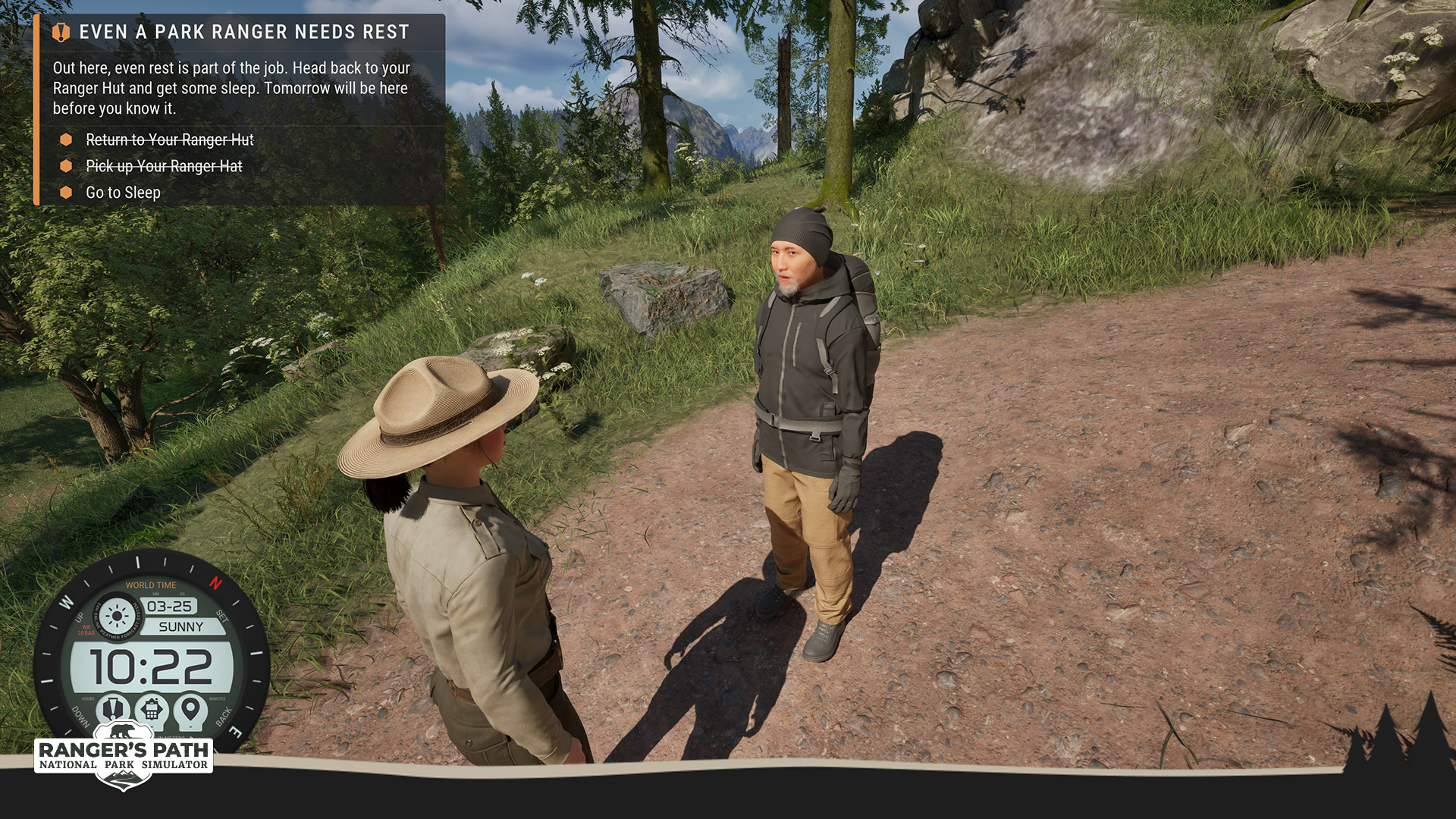
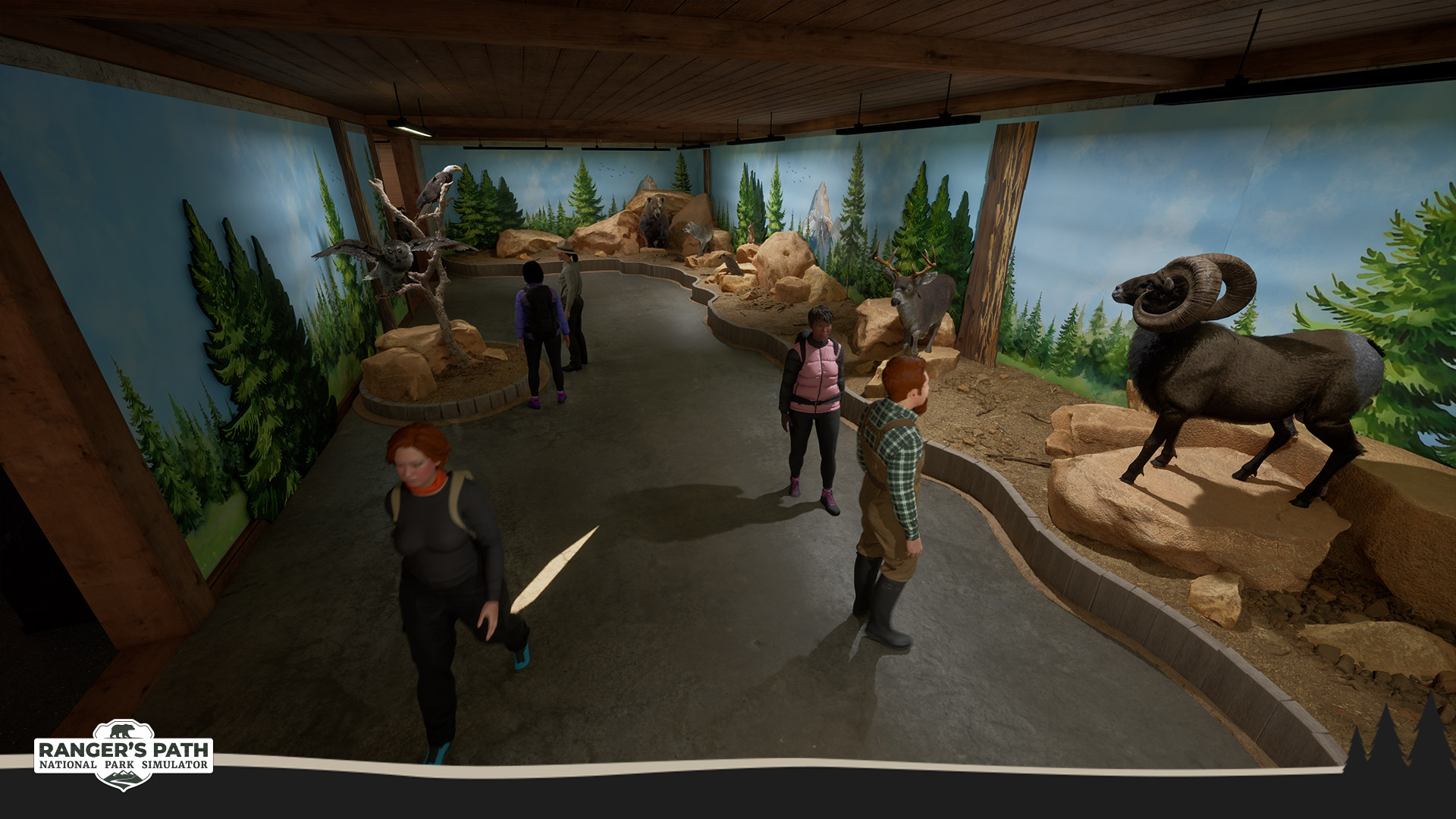
But your job isn’t just about nature – it’s also about people. You’ll guide campers, check permits, respond to emergencies, and investigate unusual behavior. Handle incidents such as illegal drone flights, vandalism, or poaching, and search backpacks for prohibited items to keep the park welcoming and safe.
Take on additional ranger duties such as inspecting plant health, marking or removing damaged flora, restocking supplies across the park, and transporting materials between locations. Track your impact through a park review system that reflects how well you maintain different areas and unlock new missions and items within your park.
Put on your ranger hat and begin your journey today in Ranger’s Path: National Park Simulator.



 Features
Trailer
Features
Trailer





This period was marked by films that addressed societal anxieties, feudal breakdowns, and the "masculine-dominant discourses" of the time. The Modern "New Wave" and Global Identity
Reflections on film society movement in Keralam - Taylor & Francis
The seeds of cinema in Kerala were sown long before the first cameras arrived. Traditional art forms like (temple shadow puppetry) familiarized local audiences with the concept of projected images accompanied by music and storytelling.
Kerala's rich literary heritage has been its greatest cinematic asset. The 1950s and 60s saw landmark adaptations like Chemmeen (1965) , which brought the life of the marginalized fishing community to the screen, and Neelakkuyil (1954) , which explored pluralism and rural life. The Golden Age and the Art of Realism
The 1980s are widely regarded as the of Malayalam cinema. During this era, directors like Adoor Gopalakrishnan , Padmarajan , and Bharathan pioneered "middle-stream cinema"—a blend of artistic depth and mainstream appeal.
Malayalam cinema began with J.C. Daniel’s silent film Vigathakumaran (1928) . While other Indian regions focused on mythological epics, Daniel chose a family drama, setting a precedent for "social cinema" that remains a hallmark of the industry.
Subscribe to our newsletter to get the latest news of Ranger’s Path: National Park Simulator right in your inbox. Please note that you have to confirm your subscription before receiving our newsletter.
This period was marked by films that addressed societal anxieties, feudal breakdowns, and the "masculine-dominant discourses" of the time. The Modern "New Wave" and Global Identity
Reflections on film society movement in Keralam - Taylor & Francis
The seeds of cinema in Kerala were sown long before the first cameras arrived. Traditional art forms like (temple shadow puppetry) familiarized local audiences with the concept of projected images accompanied by music and storytelling.
Kerala's rich literary heritage has been its greatest cinematic asset. The 1950s and 60s saw landmark adaptations like Chemmeen (1965) , which brought the life of the marginalized fishing community to the screen, and Neelakkuyil (1954) , which explored pluralism and rural life. The Golden Age and the Art of Realism
The 1980s are widely regarded as the of Malayalam cinema. During this era, directors like Adoor Gopalakrishnan , Padmarajan , and Bharathan pioneered "middle-stream cinema"—a blend of artistic depth and mainstream appeal.
Malayalam cinema began with J.C. Daniel’s silent film Vigathakumaran (1928) . While other Indian regions focused on mythological epics, Daniel chose a family drama, setting a precedent for "social cinema" that remains a hallmark of the industry.