
Menantu Menghamili Tante Uno Kanaya - Indo18 May 2026

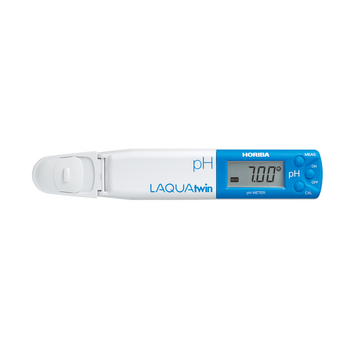
The rice used for sushi must be acidified with acetic acid (vinegar) to pH less than 4.6 to inhibit the growth of pathogenic bacteria. To measure pH, simply place a sample of rice mixture onto the flat sensor of LAQUAtwin pH meter.
 

Menantu Menghamili Tante Uno Kanaya - INDO18

Menantu Menghamili Tante Uno Kanaya - INDO18

Menantu Menghamili Tante Uno Kanaya - Indo18 May 2026

Frequently, these viral "scandals" are entirely fabricated—using clickbait titles to lead users to unrelated content or advertisements.

In this article, we will break down what this viral keyword represents, the context behind such trends, and why it is essential to navigate these digital ripples with caution. Understanding the Viral Keyword

This tag is a common digital label used to categorize content intended for adult audiences (18+) within the Indonesian internet landscape. Why Does This Content Go Viral? Menantu Menghamili Tante Uno Kanaya - INDO18

The words "Menantu" (Son-in-law) and "Tante" (Aunt) suggest a controversial family dynamic. This type of "forbidden" storytelling is a common trope used in viral web novels, short video dramas, and adult-oriented content to pique curiosity.

While curiosity is natural, searching for specific tags like "Menantu Menghamili Tante Uno Kanaya" carries several digital risks: Why Does This Content Go Viral

The phrase is composed of several distinct elements that are often used to trigger search engine algorithms and attract clicks:

The internet often rewards sensationalism. Keywords like "Menantu Menghamili Tante" tap into . Psychologically, users are often drawn to headlines that suggest social transgressions or dramatic family conflicts, leading to high click-through rates. While curiosity is natural, searching for specific tags

Many websites that host "18+" content or "viral scandals" are unverified. Clicking on these links often leads to aggressive pop-up ads, potential malware infections, or phishing attempts designed to steal personal data.

Before clicking on viral links, always consider the source and the potential security risks involved. In the age of information, being a skeptical consumer is your best defense against digital traps.
Introduction

Rice used for sushi must have a pH of less than 4.6. At pH levels below 4.6, most pathogenic bacteria do not grow or produce toxins1. Thus, the rice must be acidified using acetic acid (vinegar) to be classified as non-hazardous. The LAQUAtwin pH pocket meter is used as quality control check to ensure that the rice is adequately acidified, before selling to consumers. This is an easy, quick check method used to abide to the ANZ Standards2 in ensuring that customers are safely consuming sushi.


Method

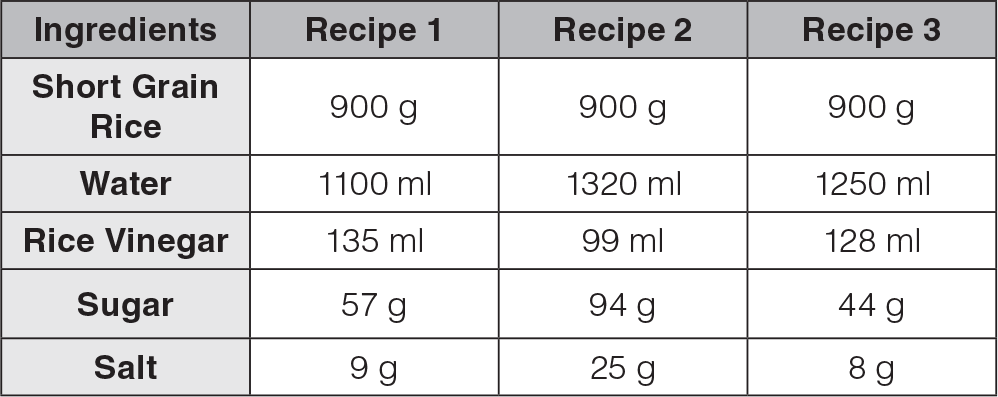
Acetic acid (vinegar) should be mixed into the rice according to the following table: 

Menantu Menghamili Tante Uno Kanaya - INDO18


A small sample of the rice mixture is placed on the flat sensor of the LAQUAtwin pH pocket meter and measured. If the measured value is above pH 4.6, add more acetic acid to the rice mixture and stir well. Place new rice sample on the sensor and repeat testing process. After tests, wash the sensor with diluted soap water and pat dry with a paper tissue.


Results and Benefits

The use of accurate pH testing in controlling the quality of sushi rice prevents the growth of pathogenic bacteria and toxins. The LAQUAtwin pH pocket meter is small and compact; convenient to carry around in your pocket and is ideal for on-site testing. Its easy-to-use interface makes the LAQUAtwin pH pocket meter an indispensable tool for food testing.


References and Suggested Readings

1 Hocking, A.D; 2003. Foodborne Microorganisms of Public Health Significance, AIFST, Waterloo

2 Food Safety Guideline for Preparation and Display of Sushi, June 2007, NSW/FA/F1005/0706

Frequently, these viral "scandals" are entirely fabricated—using clickbait titles to lead users to unrelated content or advertisements.

In this article, we will break down what this viral keyword represents, the context behind such trends, and why it is essential to navigate these digital ripples with caution. Understanding the Viral Keyword

This tag is a common digital label used to categorize content intended for adult audiences (18+) within the Indonesian internet landscape. Why Does This Content Go Viral?

The words "Menantu" (Son-in-law) and "Tante" (Aunt) suggest a controversial family dynamic. This type of "forbidden" storytelling is a common trope used in viral web novels, short video dramas, and adult-oriented content to pique curiosity.

While curiosity is natural, searching for specific tags like "Menantu Menghamili Tante Uno Kanaya" carries several digital risks:

The phrase is composed of several distinct elements that are often used to trigger search engine algorithms and attract clicks:

The internet often rewards sensationalism. Keywords like "Menantu Menghamili Tante" tap into . Psychologically, users are often drawn to headlines that suggest social transgressions or dramatic family conflicts, leading to high click-through rates.

Many websites that host "18+" content or "viral scandals" are unverified. Clicking on these links often leads to aggressive pop-up ads, potential malware infections, or phishing attempts designed to steal personal data.

Before clicking on viral links, always consider the source and the potential security risks involved. In the age of information, being a skeptical consumer is your best defense against digital traps.
Related Products

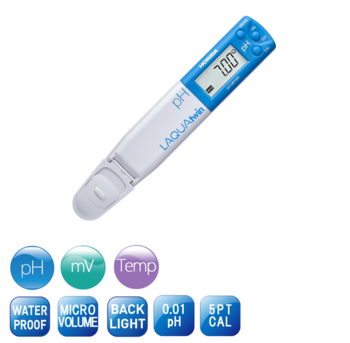
LAQUAtwin pH-33
LAQUAtwin pH-33

Pocket Water Quality Meters

LAQUAtwin pH-22
LAQUAtwin pH-22

Pocket Water Quality Meters

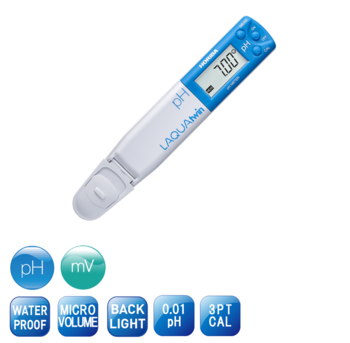
LAQUAtwin pH-11
LAQUAtwin pH-11

Pocket Water Quality Meters

Water & Liquid Corporate