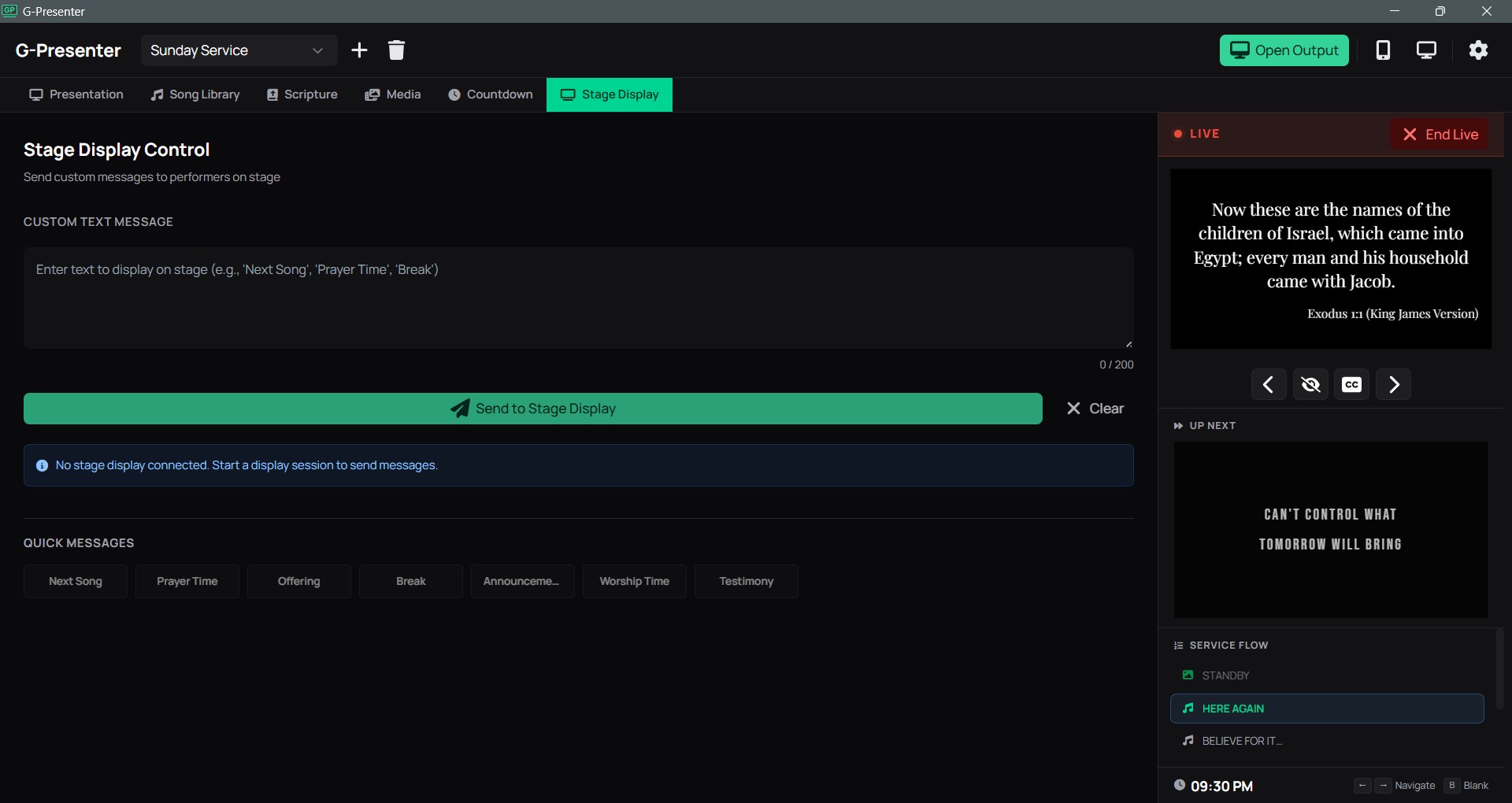
Local-First Worship Software
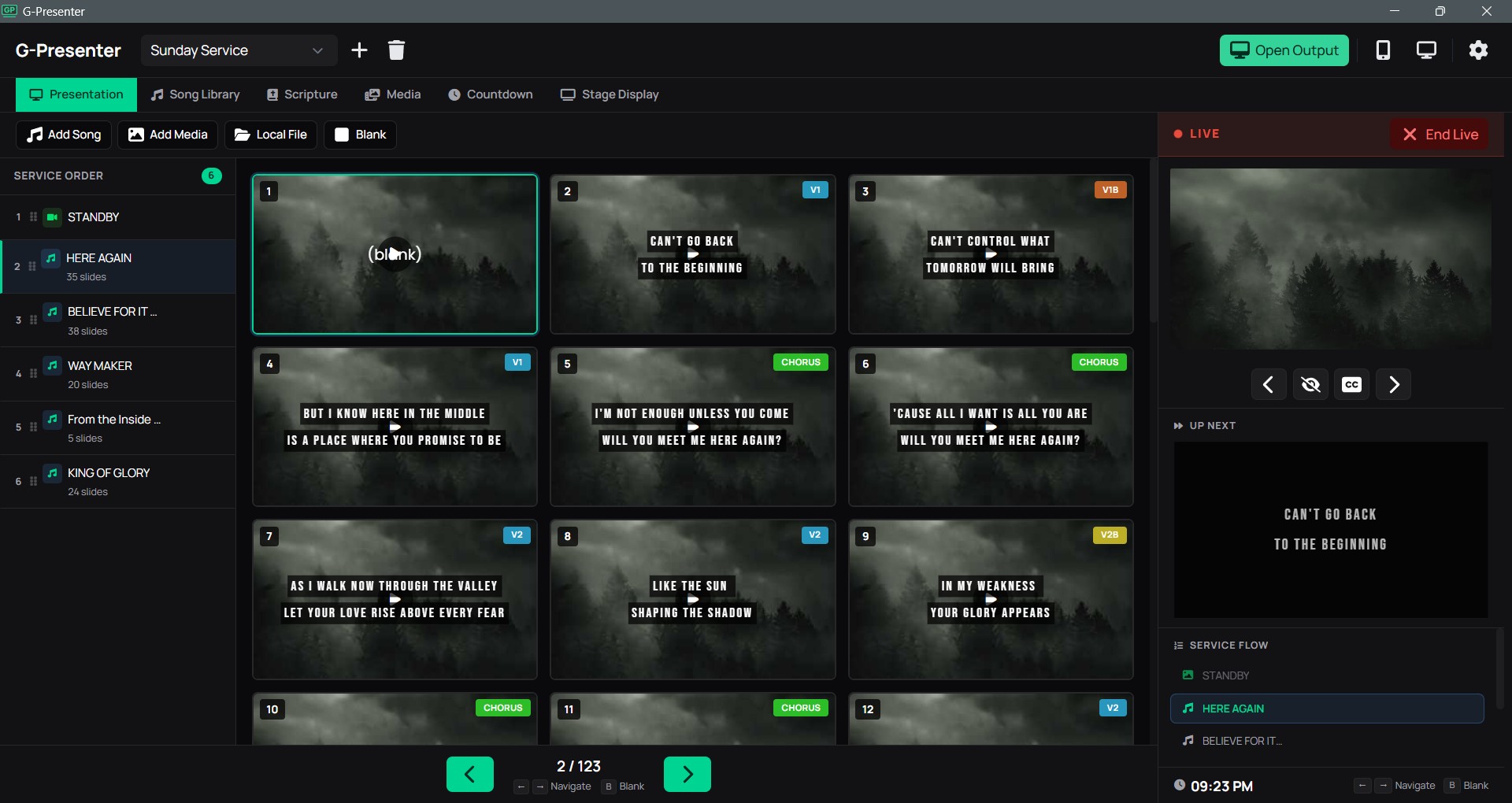
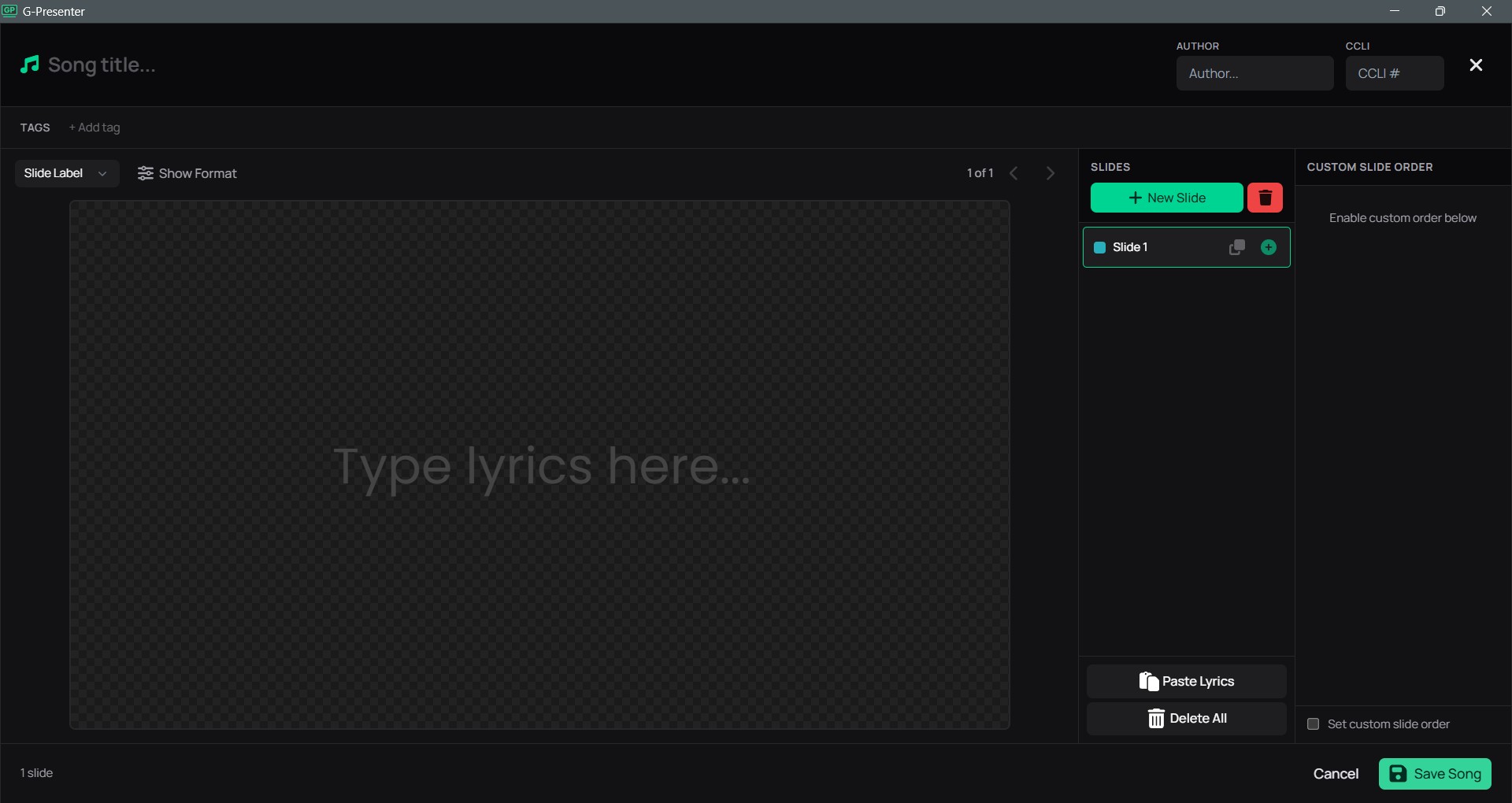
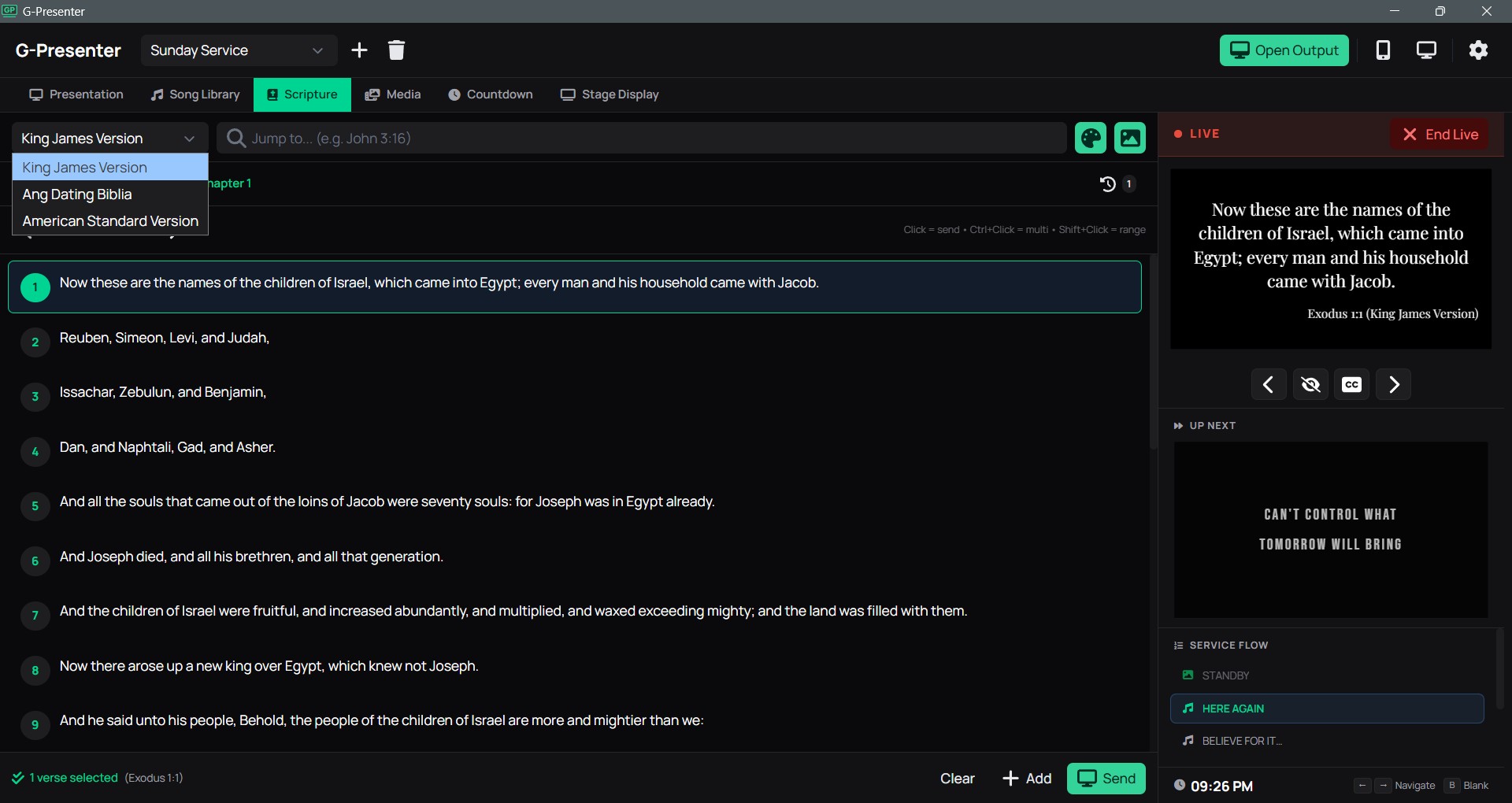
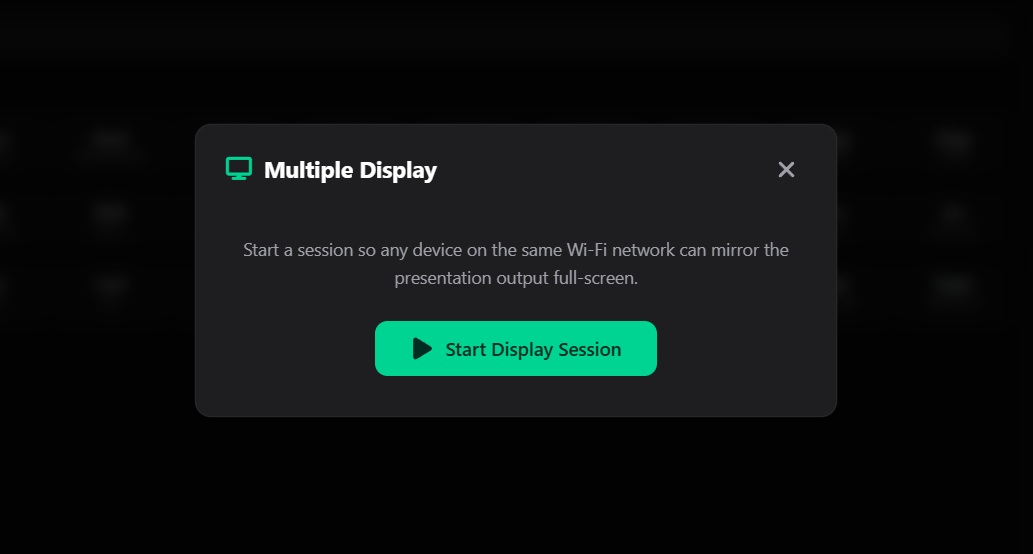
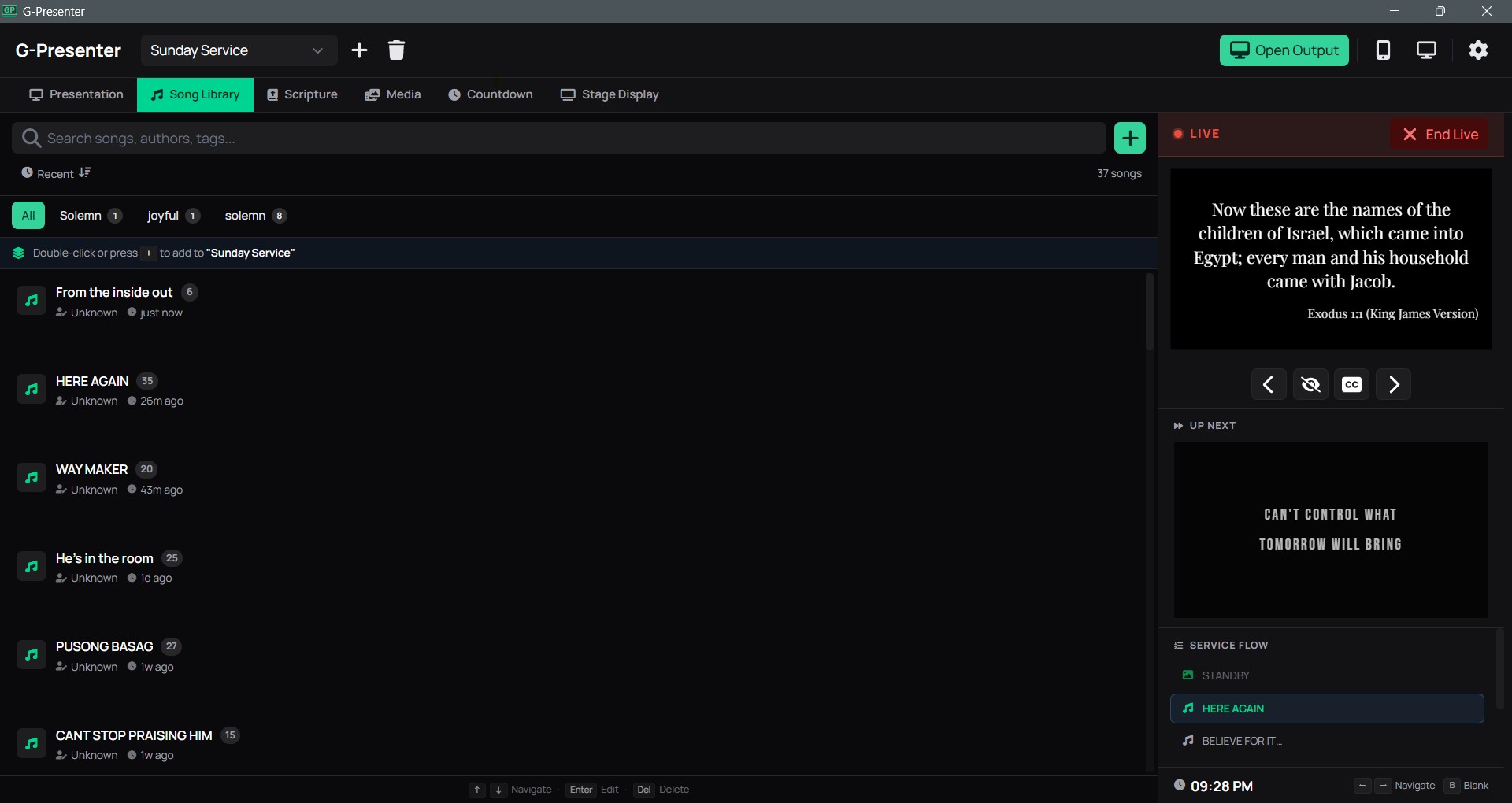
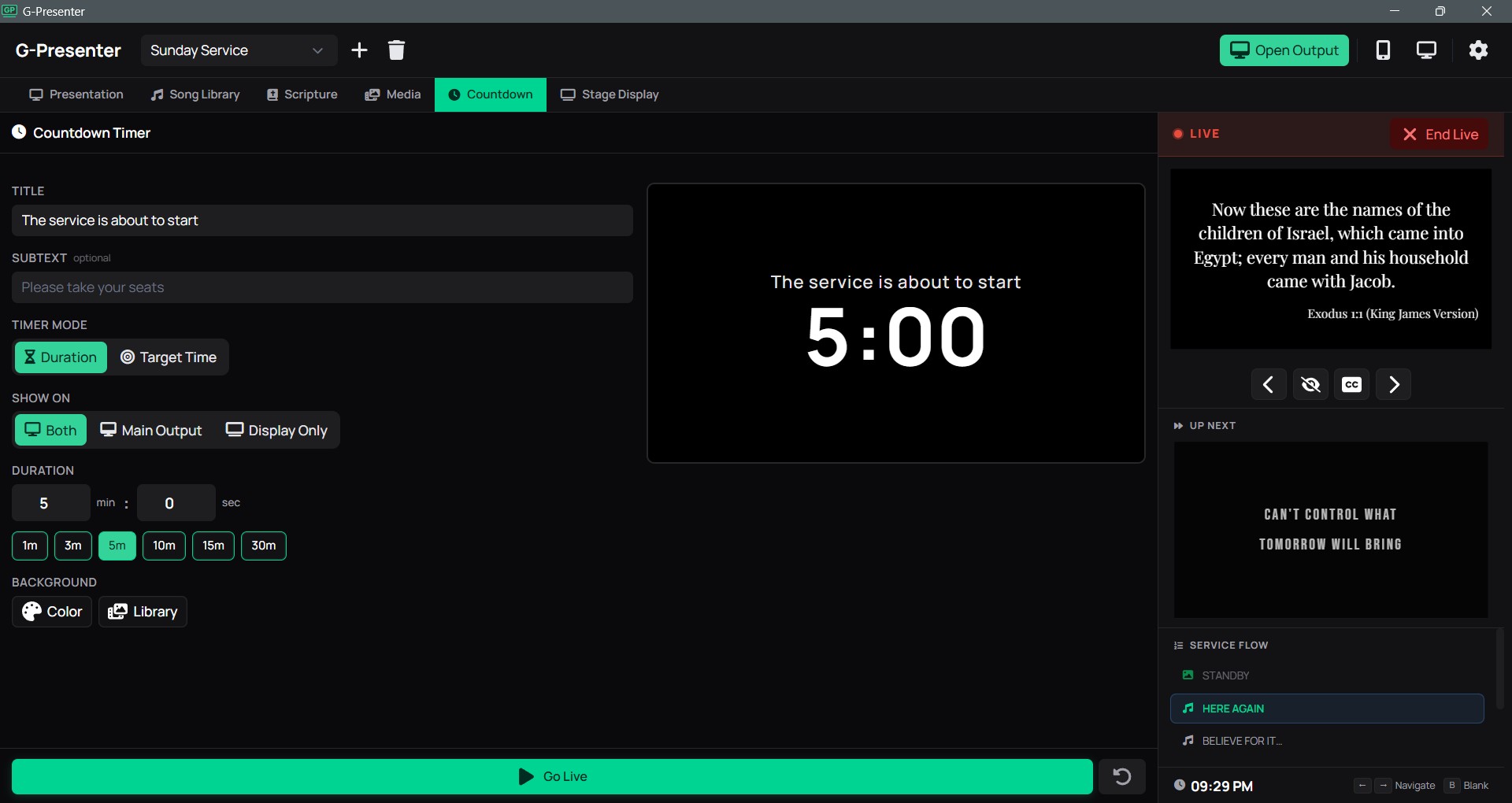
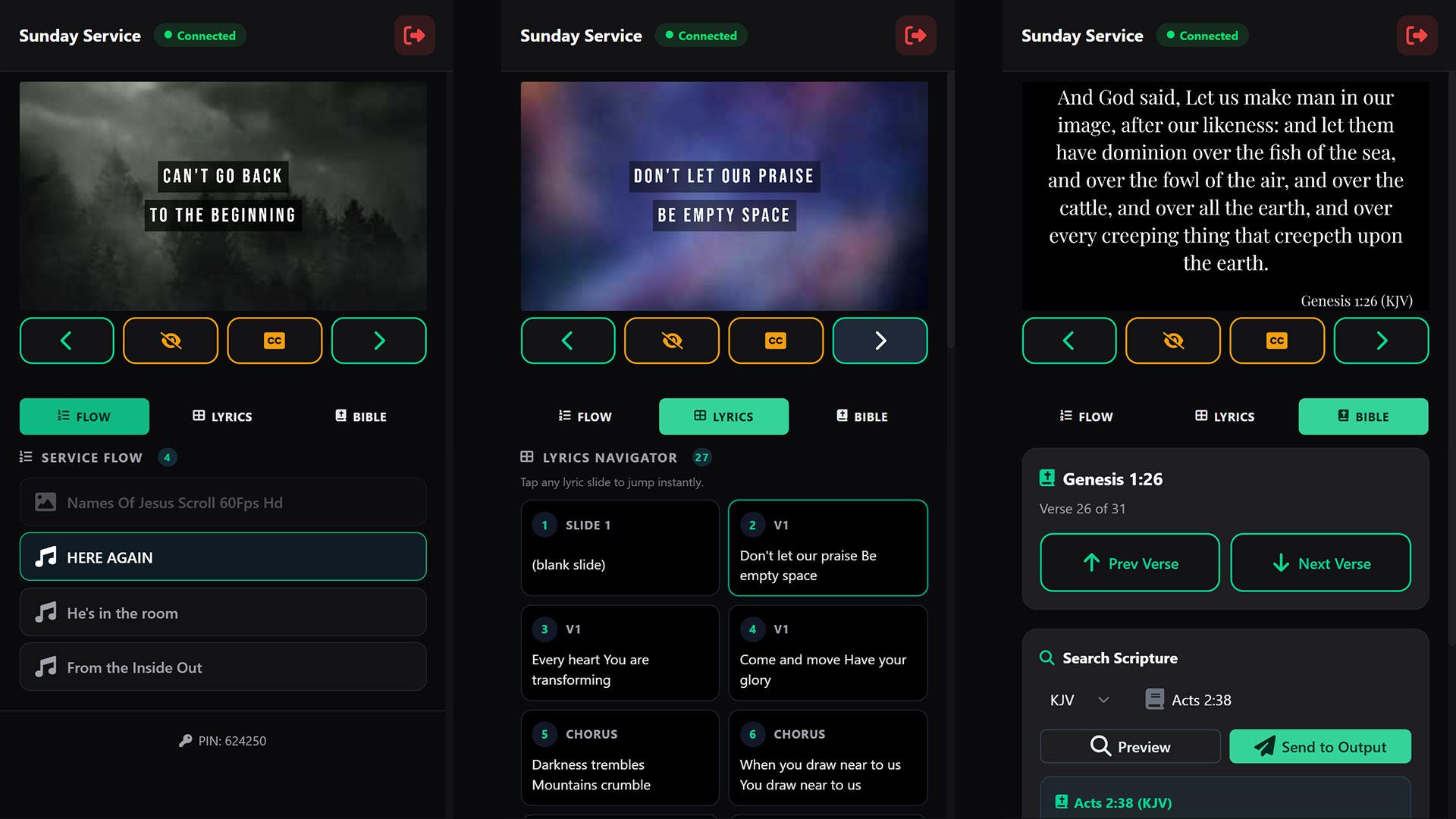
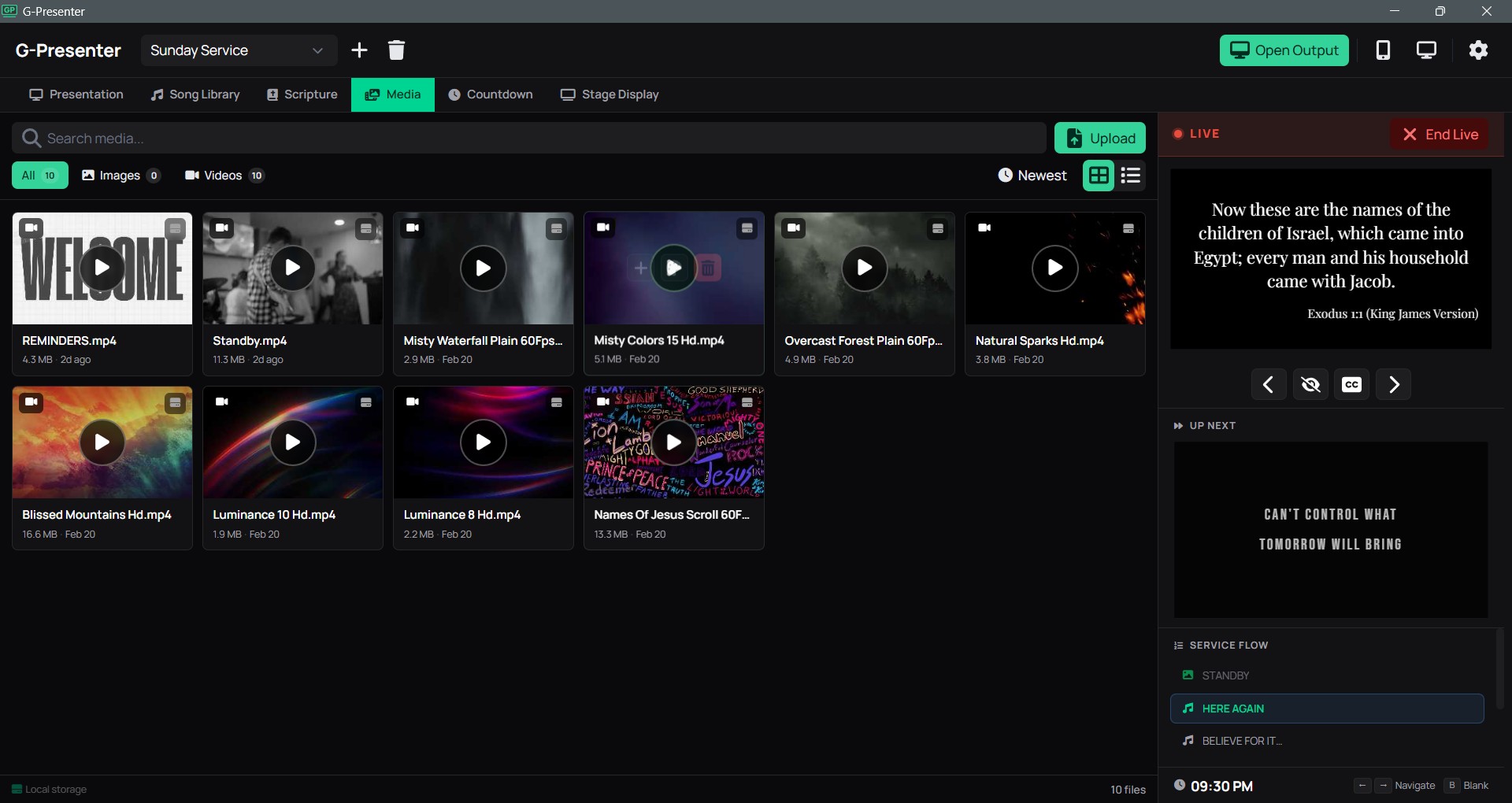
G-Presenter is a worship presentation app built for simplicity. Manage songs, display Bible verses, set backgrounds, and sync to extra screens over your local network. No account required. Nothing stored in the cloud.
No account required. No subscription.
My Ummah Dawn Has Appeared Internet Archive ❲FRESH❳
Historians and sociologists use these archives to study the aesthetics and messaging strategies of the era. By examining the files hosted on the Internet Archive, experts can trace how "My Ummah, Dawn Has Appeared" was used to recruit or spread a specific political ideology.
Today, searching for "My Ummah, Dawn Has Appeared" on the Internet Archive is less about the song itself and more about the era it represents—a time when digital borders were porous and the internet became a primary battlefield for hearts and minds.
To understand why this specific keyword is so frequently searched, one must look at the origin of the chant. "My Ummah, Dawn Has Appeared" (often known by its Arabic title, Ummati Qad Laha Fajrun ) is a nasheed that became synonymous with the propaganda efforts of extremist groups during the height of the Syrian and Iraqi conflicts. my ummah dawn has appeared internet archive
The Digital Echo: Understanding the Impact of "My Ummah, Dawn Has Appeared" on the Internet Archive
The presence of this nasheed on the Archive often reflects a digital game of "Whac-A-Mole." As soon as one upload is flagged and removed for violating terms of service regarding the promotion of terrorism, another often appears under a different title or metadata tag. The Ethical Dilemma of Digital Archiving Historians and sociologists use these archives to study
The persistence of "My Ummah, Dawn Has Appeared" on the Internet Archive highlights a significant debate in the tech world:
As digital footprints become our primary historical record, the Internet Archive remains the most significant repository for these complex, often controversial, pieces of media. Whether viewed as a tool for academic study or a relic of a turbulent decade, the availability of this nasheed ensures that the digital history of the 21st century remains complete, for better or worse. To understand why this specific keyword is so
Major social media platforms like YouTube, X (formerly Twitter), and Facebook employ rigorous AI and manual moderation to remove content associated with extremist organizations. Once deleted, these videos often "migrate" to the Internet Archive, where they are uploaded by users to ensure a historical record exists.
The (archive.org) is a non-profit library dedicated to providing "Universal Access to All Knowledge." It hosts millions of free books, movies, software, and music files. For researchers studying radicalization, digital propaganda, or Middle Eastern history, the Archive is an invaluable resource for several reasons:
In the vast, shifting landscape of the digital age, certain cultural artifacts become flashpoints for historical research, religious expression, and geopolitical analysis. One such artifact is the nasheed (Islamic chant) titled On platforms like the Internet Archive , this specific recording has become a subject of intense interest for academics, digital archivists, and curious observers alike.
Historians and sociologists use these archives to study the aesthetics and messaging strategies of the era. By examining the files hosted on the Internet Archive, experts can trace how "My Ummah, Dawn Has Appeared" was used to recruit or spread a specific political ideology.
Today, searching for "My Ummah, Dawn Has Appeared" on the Internet Archive is less about the song itself and more about the era it represents—a time when digital borders were porous and the internet became a primary battlefield for hearts and minds.
To understand why this specific keyword is so frequently searched, one must look at the origin of the chant. "My Ummah, Dawn Has Appeared" (often known by its Arabic title, Ummati Qad Laha Fajrun ) is a nasheed that became synonymous with the propaganda efforts of extremist groups during the height of the Syrian and Iraqi conflicts.
The Digital Echo: Understanding the Impact of "My Ummah, Dawn Has Appeared" on the Internet Archive
The presence of this nasheed on the Archive often reflects a digital game of "Whac-A-Mole." As soon as one upload is flagged and removed for violating terms of service regarding the promotion of terrorism, another often appears under a different title or metadata tag. The Ethical Dilemma of Digital Archiving
The persistence of "My Ummah, Dawn Has Appeared" on the Internet Archive highlights a significant debate in the tech world:
As digital footprints become our primary historical record, the Internet Archive remains the most significant repository for these complex, often controversial, pieces of media. Whether viewed as a tool for academic study or a relic of a turbulent decade, the availability of this nasheed ensures that the digital history of the 21st century remains complete, for better or worse.
Major social media platforms like YouTube, X (formerly Twitter), and Facebook employ rigorous AI and manual moderation to remove content associated with extremist organizations. Once deleted, these videos often "migrate" to the Internet Archive, where they are uploaded by users to ensure a historical record exists.
The (archive.org) is a non-profit library dedicated to providing "Universal Access to All Knowledge." It hosts millions of free books, movies, software, and music files. For researchers studying radicalization, digital propaganda, or Middle Eastern history, the Archive is an invaluable resource for several reasons:
In the vast, shifting landscape of the digital age, certain cultural artifacts become flashpoints for historical research, religious expression, and geopolitical analysis. One such artifact is the nasheed (Islamic chant) titled On platforms like the Internet Archive , this specific recording has become a subject of intense interest for academics, digital archivists, and curious observers alike.