

Why GOVPN?
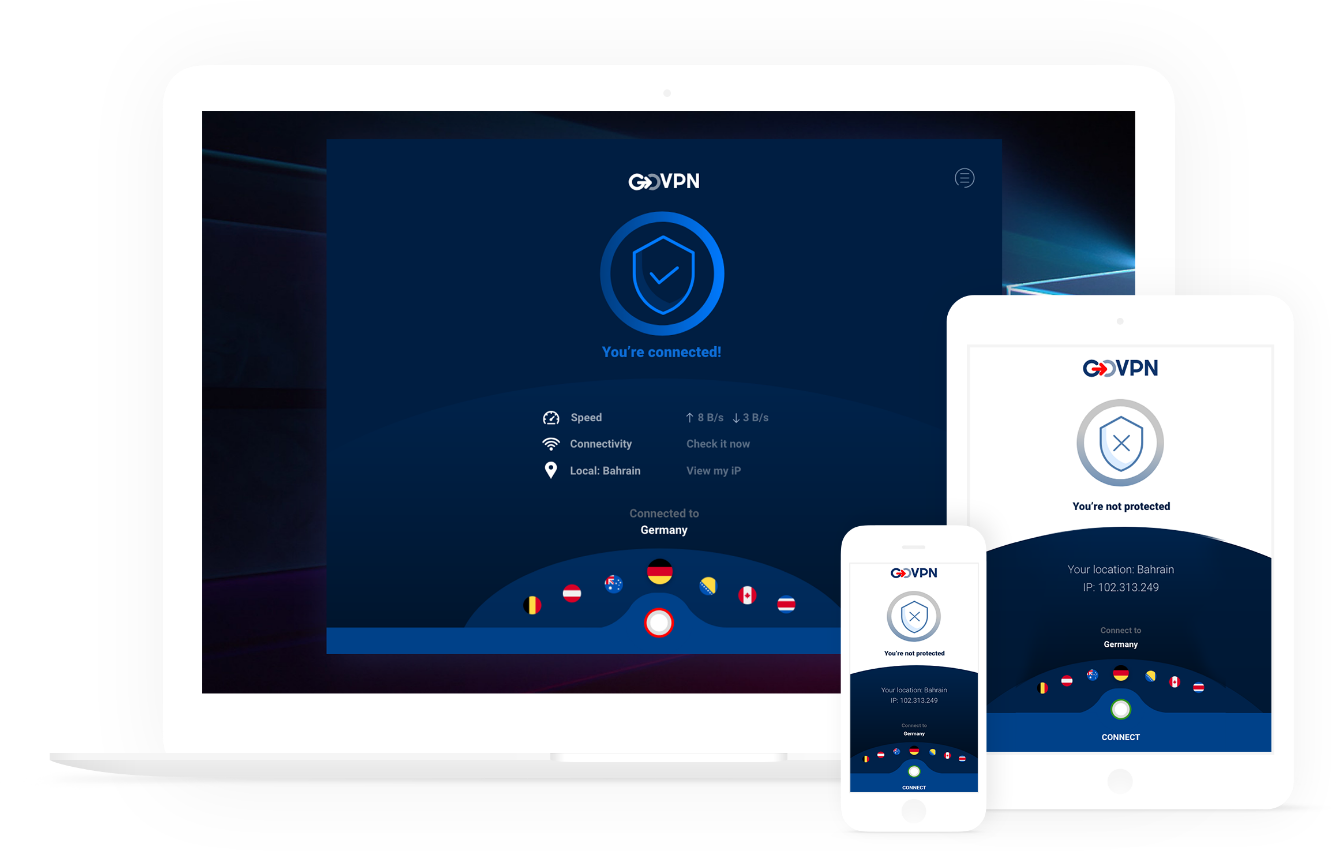
It’s a FREE VPN and open internet without borders, throttling, firewalls, blocks or restrictions. While still keeping you safe from those who want to harm you or steal your data.
Facilities like (opened in 1938) pioneered the "underwater film studio" style, allowing the public to see marine life through large portholes. Today, modern giants like the Georgia Aquarium or the S.E.A. Aquarium in Singapore use advanced acrylic technology to create seamless, immersive tunnels that make visitors feel as though they are walking on the ocean floor. Key Functions of a Modern Oceanarium
: Curators use specialized concrete and resins to "sculpt" artificial coral reefs. These must be durable enough to withstand the salt but textured enough to provide hiding spots for fish and surfaces for beneficial bacteria to grow. The Future of Oceanariums: Sustainability and VR oceanarium pdf
The concept of the oceanarium evolved from the 19th-century public aquarium. Early facilities were often dark, cramped galleries of small glass tanks. The shift toward "oceanariums" began in the mid-20th century with the desire to recreate entire ecological niches. Facilities like (opened in 1938) pioneered the "underwater
Oceanariums: Bridging the Depths and the Public Mind An oceanarium is more than just a large-scale aquarium; it is a specialized marine park and research facility designed to house large pelagic animals and complex marine ecosystems. While traditional aquariums might focus on smaller freshwater or coastal species, oceanariums typically feature massive tanks—often holding millions of gallons of saltwater—to accommodate sharks, rays, and occasionally marine mammals. Key Functions of a Modern Oceanarium : Curators