Transgender women of color experience disproportionately high rates of violence.
Within LGBTQ+ culture, this distinction is vital. A transgender person can be gay, straight, bisexual, or asexual. By including the transgender community, the LGBTQ+ movement acknowledges that liberation requires dismantling both "heteronormativity" (the assumption that everyone is straight) and "cisnormativity" (the assumption that everyone identifies with the sex they were assigned at birth). Cultural Contributions and Language
To understand this relationship, we have to look at how these communities intersect, the unique challenges trans individuals face, and the cultural shifts they continue to lead. The Historical Anchor: A Shared Fight
Refers to who you are attracted to (sexual orientation). T (Transgender): Refers to who you are (gender identity).
Originating in the Black and Latine trans communities of New York City, ballroom culture gave us "voguing," "slay," and the concept of "chosen families."
In recent years, much of the political friction surrounding LGBTQ+ rights has shifted specifically toward trans-inclusive healthcare and sports.
From the Wachowskis in film to SOPHIE in music, trans creators have pushed the boundaries of "queer art," moving away from tragic tropes toward "trans joy" and futurism. Challenges and Divergent Paths

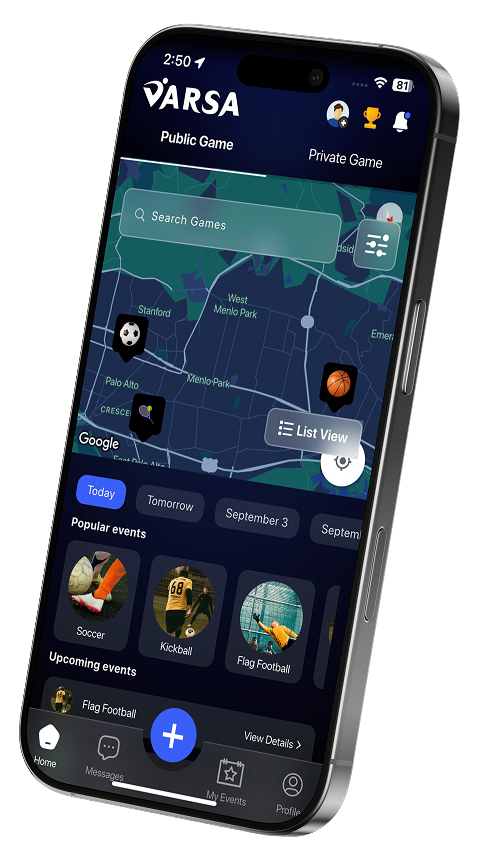
VARSA is a student-powered platform that helps you:
Create and manage your own sports events with tools for team management, invites, and attendance tracking
Play when you want. With who you want. No pressure. Just good games.
Sign up now to unlock early access to pickup games, gym partners, and student clubs. VARSA is coming to your campus. Be the first to know when we go live.
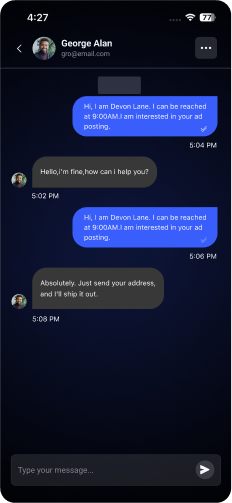
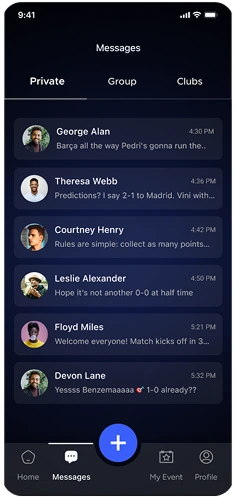
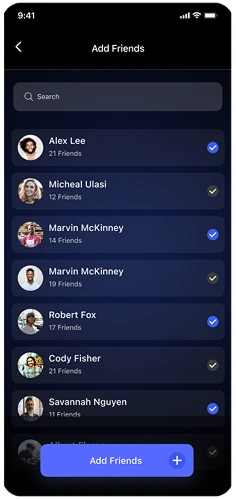
Explore the app’s features, design, and user-friendly interface.






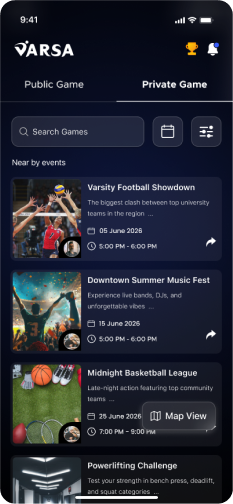

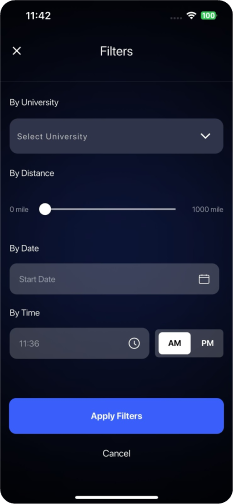


Transgender women of color experience disproportionately high rates of violence.
Within LGBTQ+ culture, this distinction is vital. A transgender person can be gay, straight, bisexual, or asexual. By including the transgender community, the LGBTQ+ movement acknowledges that liberation requires dismantling both "heteronormativity" (the assumption that everyone is straight) and "cisnormativity" (the assumption that everyone identifies with the sex they were assigned at birth). Cultural Contributions and Language
To understand this relationship, we have to look at how these communities intersect, the unique challenges trans individuals face, and the cultural shifts they continue to lead. The Historical Anchor: A Shared Fight
Refers to who you are attracted to (sexual orientation). T (Transgender): Refers to who you are (gender identity).
Originating in the Black and Latine trans communities of New York City, ballroom culture gave us "voguing," "slay," and the concept of "chosen families."
In recent years, much of the political friction surrounding LGBTQ+ rights has shifted specifically toward trans-inclusive healthcare and sports.
From the Wachowskis in film to SOPHIE in music, trans creators have pushed the boundaries of "queer art," moving away from tragic tropes toward "trans joy" and futurism. Challenges and Divergent Paths
Love sports? Social on campus? Help launch the next big thing in student life by becoming a VARSA Campus Ambassador at your school.

In return, you’ll earn: