हर दिन की शुरुआत करें एक नई जानकारी के साथ।
Download: It is illegal to point cameras directly into a neighbour’s private spaces, such as windows, fenced backyards, or swimming pools. Installing cameras in areas where guests have high privacy expectations, like bathrooms or bedrooms, can lead to criminal charges under voyeurism laws .
: Even if not criminal, poorly placed cameras can result in civil lawsuits for "intrusion upon seclusion" or "private nuisance" if they interfere with a neighbour’s enjoyment of their property. Cloud vs. Local Storage: Privacy Implications
: You are generally permitted to record your own driveway, front porch, and yard. Capturing public sidewalks or streets is typically allowed as there is a lower expectation of privacy in these areas.
Canadian law distinguishes between protecting your own property and infringing on the "reasonable expectation of privacy" of others.
Home Security Camera Systems and Privacy: A Balancing Act While home security camera systems are powerful tools for deterring crime and protecting property, they inhabit a complex legal and ethical intersection with privacy rights. In Canada, homeowners generally have the right to monitor their own property, but this right is bounded by the privacy expectations of neighbours, visitors, and the public.
The method of storing your footage significantly impacts your data privacy.
: This is heavily restricted. Under Section 184 of the Criminal Code , it is a criminal offence to record private conversations unless at least one participant consents. Most security experts recommend disabling audio features entirely to avoid legal risk.
Effective and responsible surveillance requires balancing technological convenience with strict adherence to privacy laws like the Criminal Code of Canada and provincial legislation. The Legal Framework: What You Can and Cannot Do
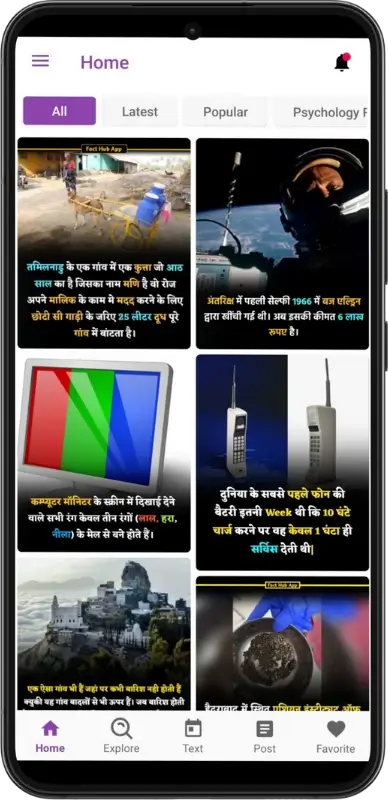
India’s #1 Fact App Download with Unique and Exciting Features
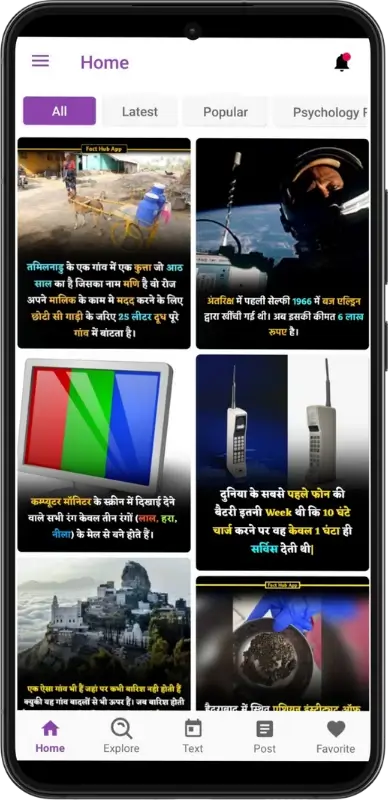
Get fresh and unique Rochak Jankari in Hindi every day.
Stay updated with the most popular and viral facts in Hindi.
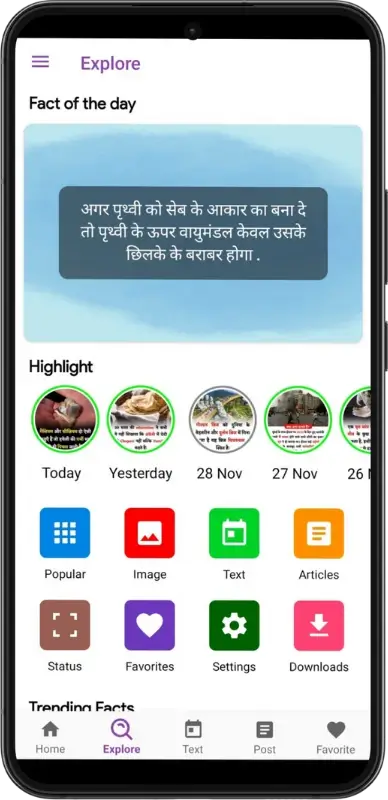
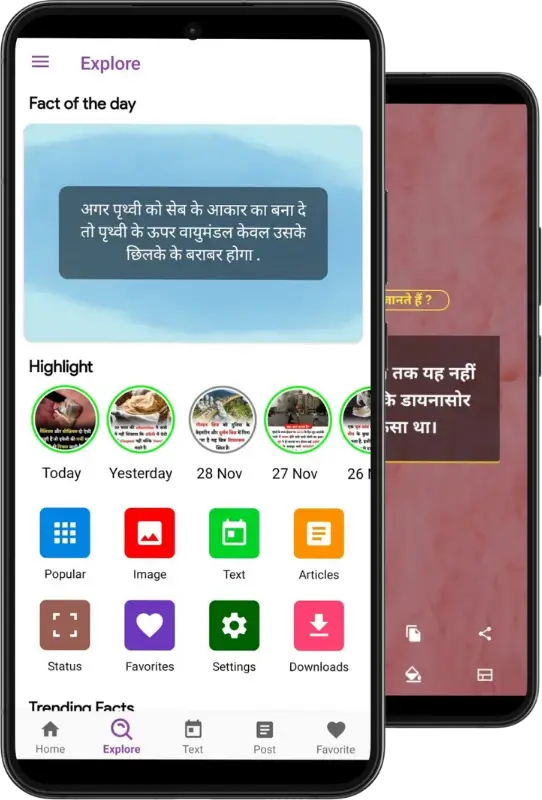
Explore the most remarkable fact selected as the highlight of the day.
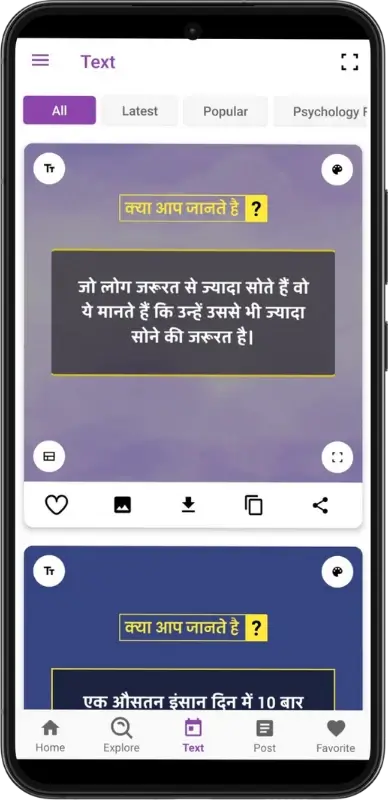
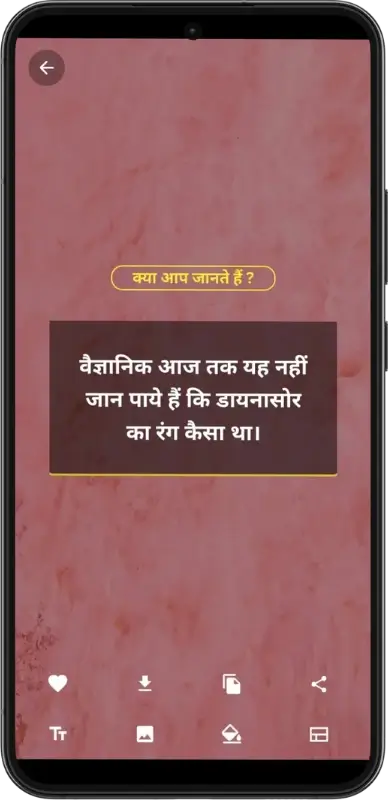
Share amazing and interesting facts directly with friends and family.
Dive into detailed articles about science, history, and more in Hindi.
Stay updated with a new fact every morning through push notifications.
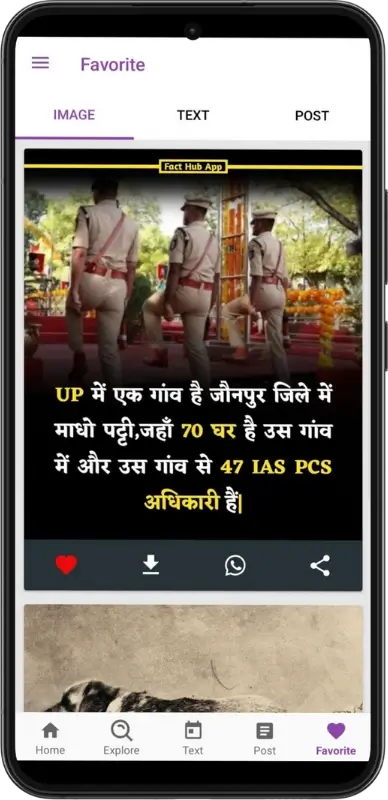
Bookmark your favorite facts and revisit them anytime.
Enjoy a smooth, intuitive, and visually appealing interface.
See how our Hindi Facts App makes learning fun and engaging!
Join our growing community of curious minds and fact lovers!
Downloads Worldwide
Average User Rating
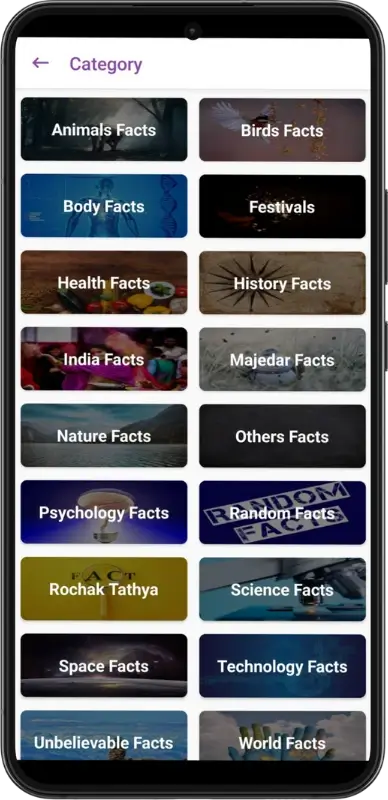
Their are many type of Facts
: It is illegal to point cameras directly into a neighbour’s private spaces, such as windows, fenced backyards, or swimming pools. Installing cameras in areas where guests have high privacy expectations, like bathrooms or bedrooms, can lead to criminal charges under voyeurism laws .
: Even if not criminal, poorly placed cameras can result in civil lawsuits for "intrusion upon seclusion" or "private nuisance" if they interfere with a neighbour’s enjoyment of their property. Cloud vs. Local Storage: Privacy Implications
: You are generally permitted to record your own driveway, front porch, and yard. Capturing public sidewalks or streets is typically allowed as there is a lower expectation of privacy in these areas. tamil aunties hidden cam in toilet new
Canadian law distinguishes between protecting your own property and infringing on the "reasonable expectation of privacy" of others.
Home Security Camera Systems and Privacy: A Balancing Act While home security camera systems are powerful tools for deterring crime and protecting property, they inhabit a complex legal and ethical intersection with privacy rights. In Canada, homeowners generally have the right to monitor their own property, but this right is bounded by the privacy expectations of neighbours, visitors, and the public. : It is illegal to point cameras directly
The method of storing your footage significantly impacts your data privacy.
: This is heavily restricted. Under Section 184 of the Criminal Code , it is a criminal offence to record private conversations unless at least one participant consents. Most security experts recommend disabling audio features entirely to avoid legal risk. Cloud vs
Effective and responsible surveillance requires balancing technological convenience with strict adherence to privacy laws like the Criminal Code of Canada and provincial legislation. The Legal Framework: What You Can and Cannot Do