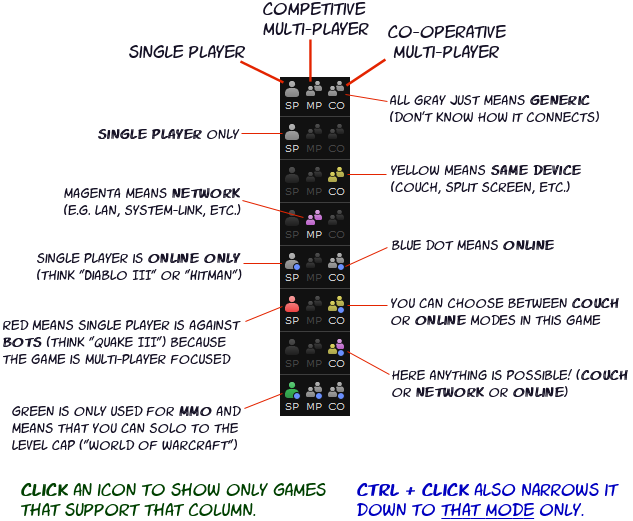
Modes Column
Partners often identify specific areas of sensitivity, such as the ribcage or the arches of the feet, to explore how different levels of pressure affect the intensity of the response.
Managing the intensity of a session is a shared responsibility. Because the laughter reflex can be physically demanding, it is important to monitor physical cues:
Setting expectations for how long a session will last helps the "lee" manage their energy and expectations throughout the experience. Physical and Emotional Management
In the world of sensory play and power dynamics, is a unique intersection of physical sensation and psychological surrender. While tickling is often associated with childhood play or lighthearted affection, in an adult context, it can evolve into a structured practice involving trust, endurance, and deep interpersonal connection. What is Tickling Submission?
Never assume that because someone is laughing, they are enjoying themselves. Laughter is a physiological response to tickling, not always an indicator of consent.
Understanding Tickling Submission: Dynamics, Consent, and Connection
This web site makes extensive use of JavaScript.
Please enable JavaScript in your web browser and then refresh this page.