




 Game Info
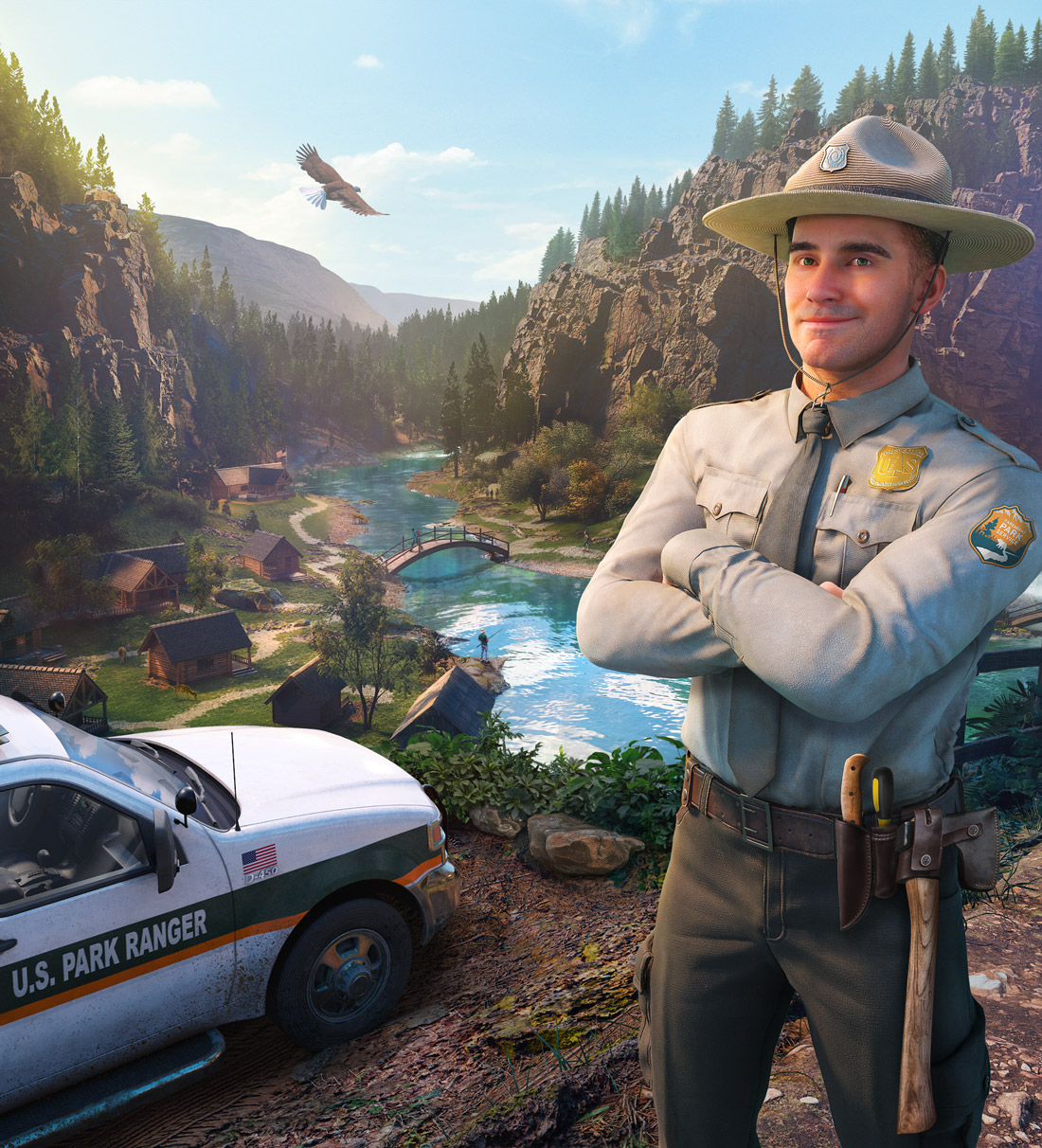
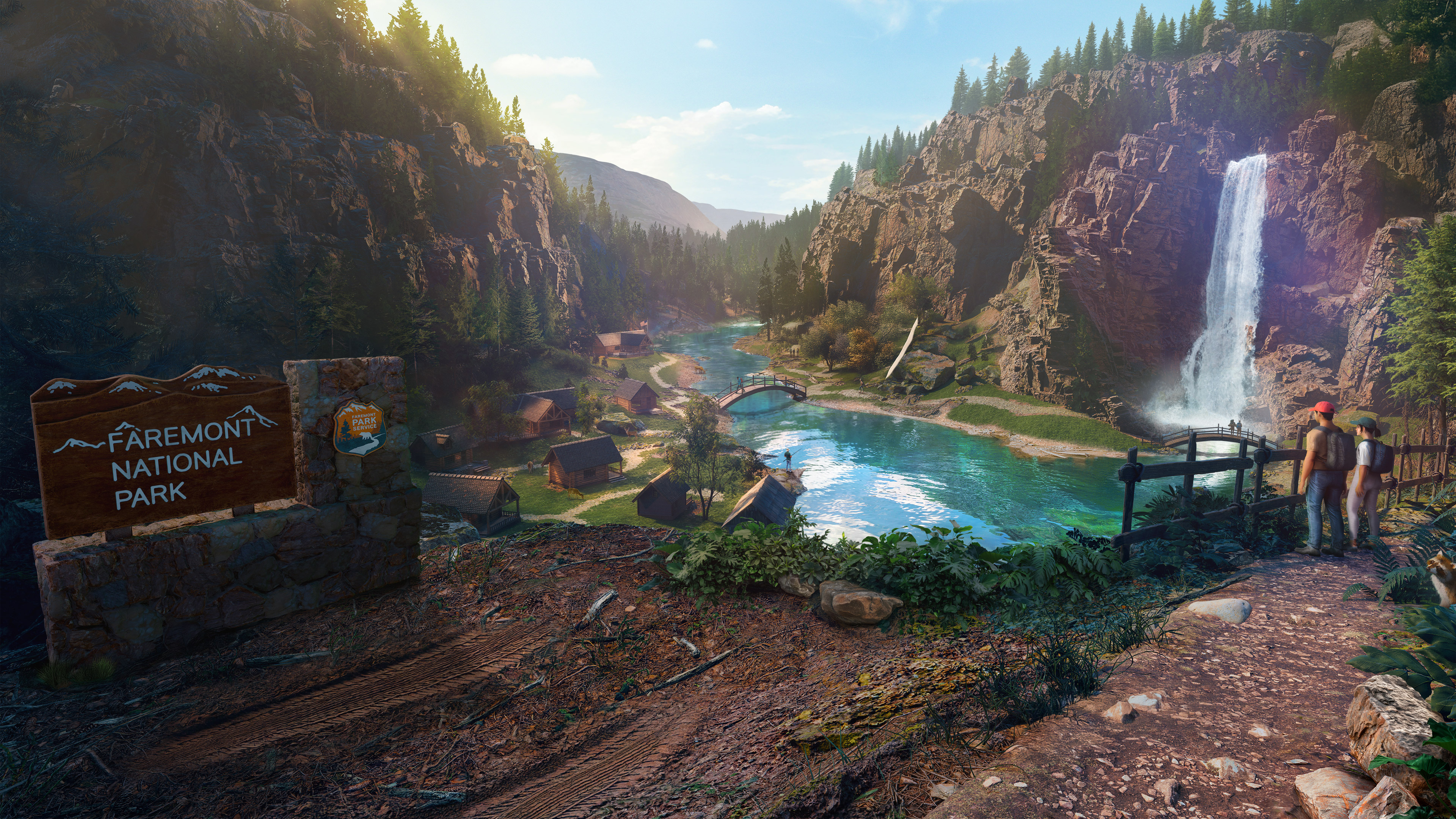
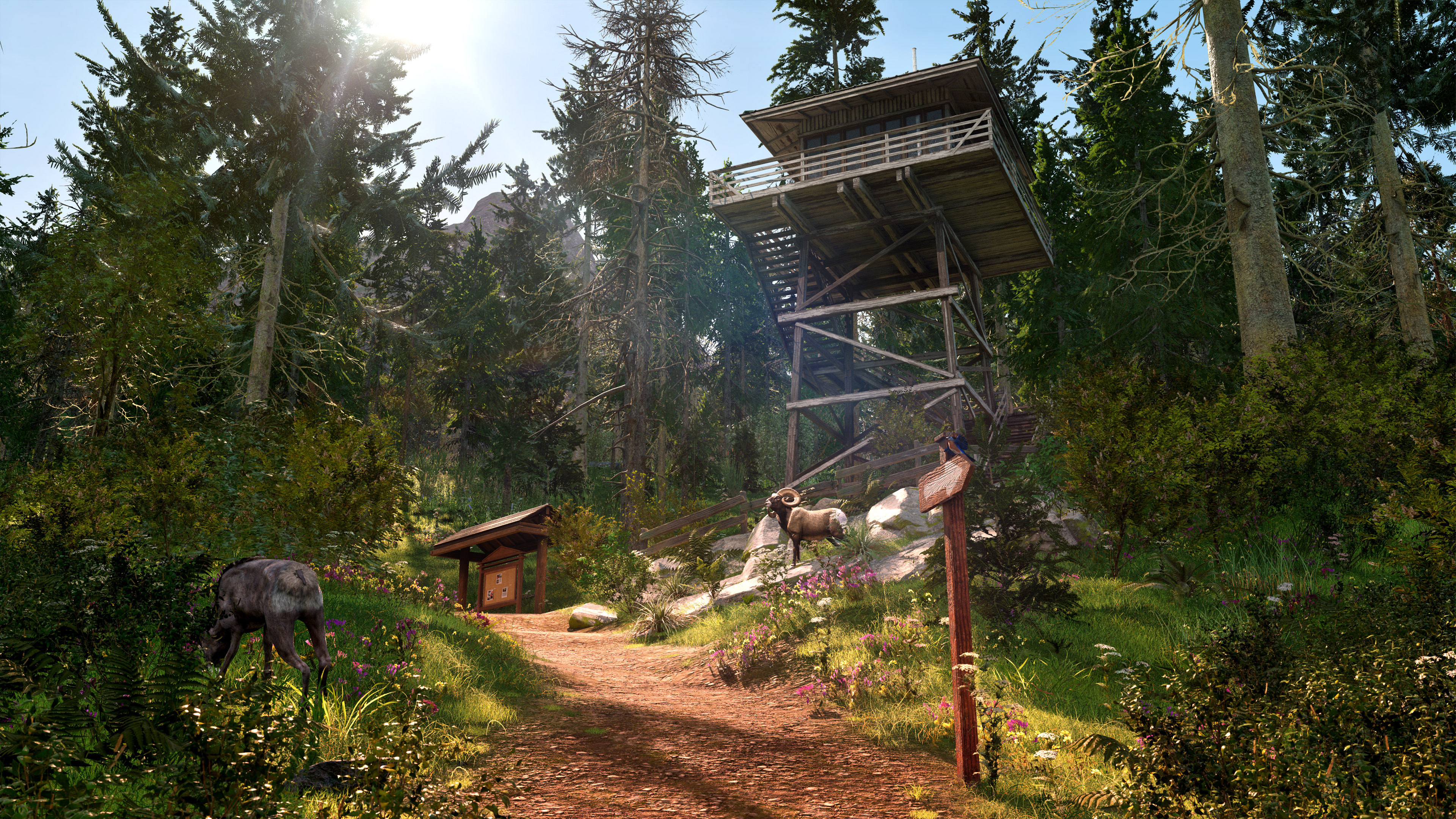
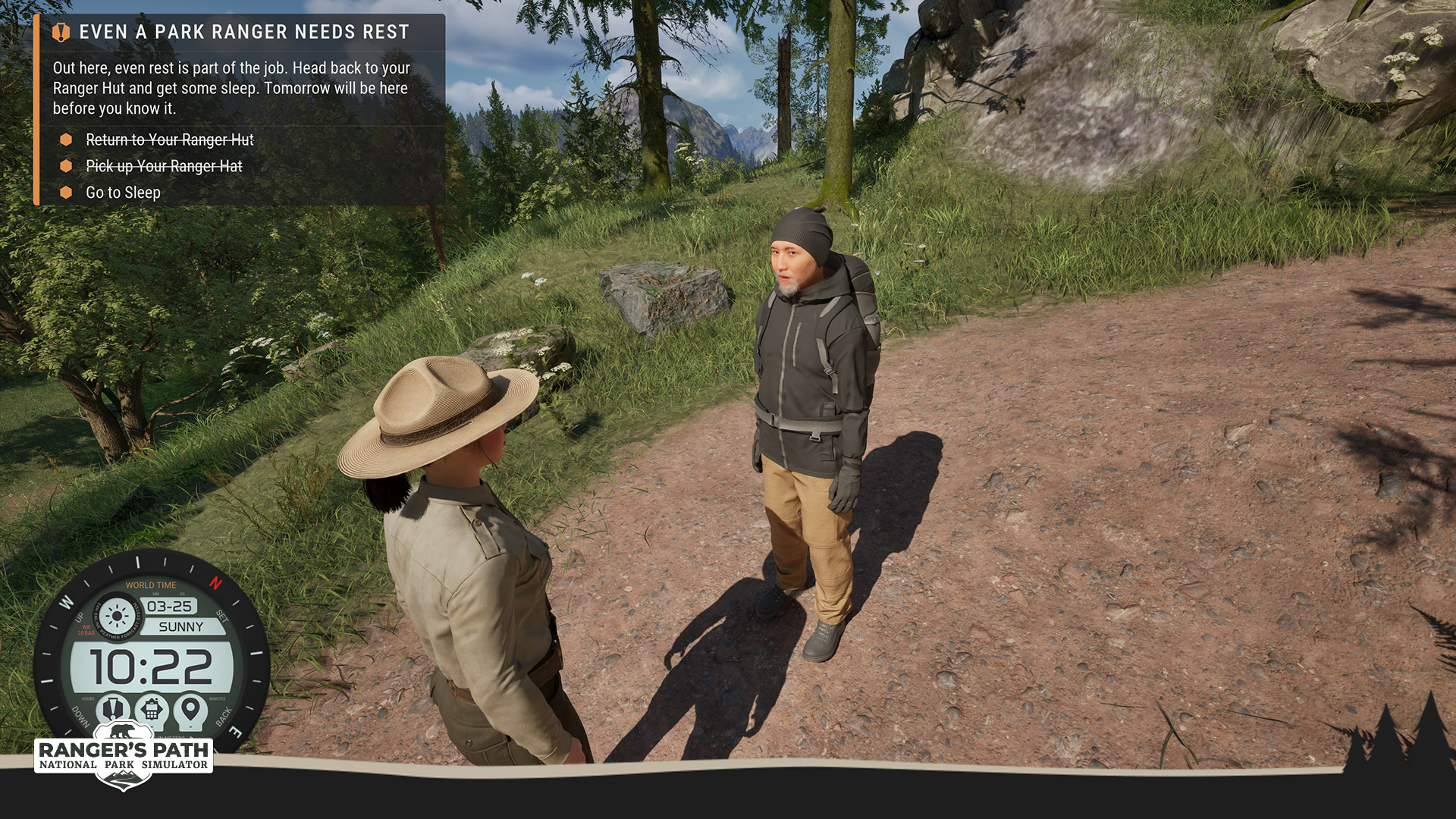
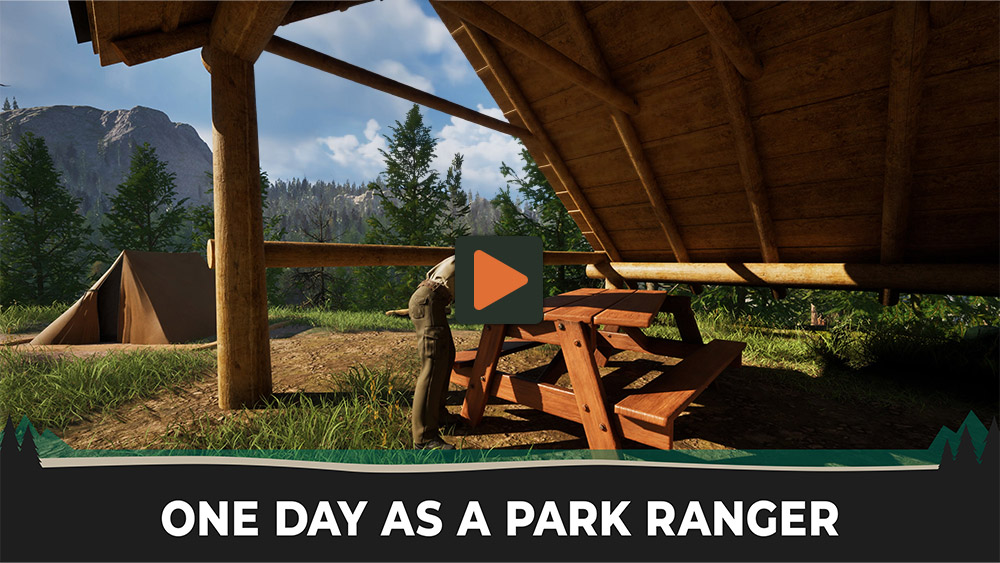
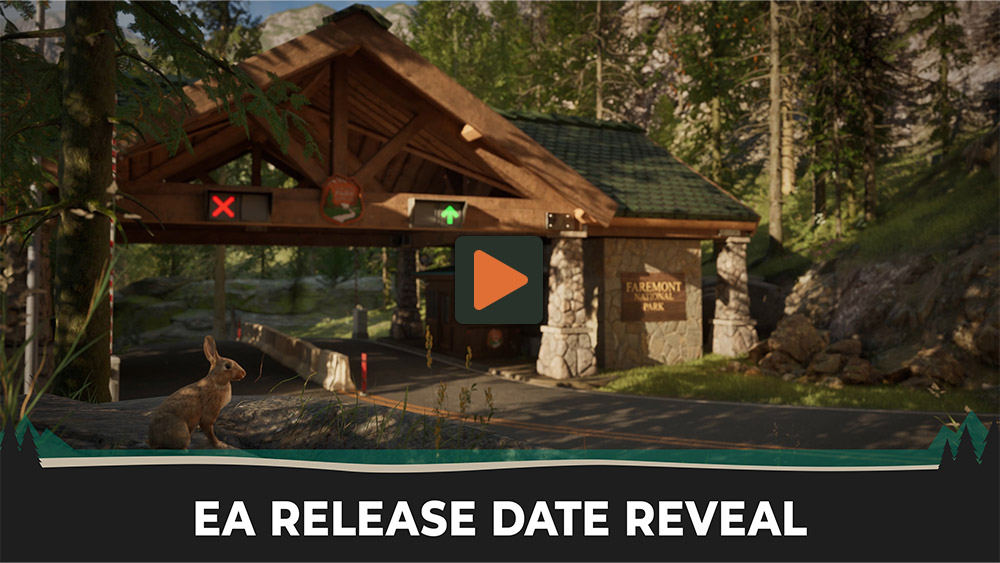
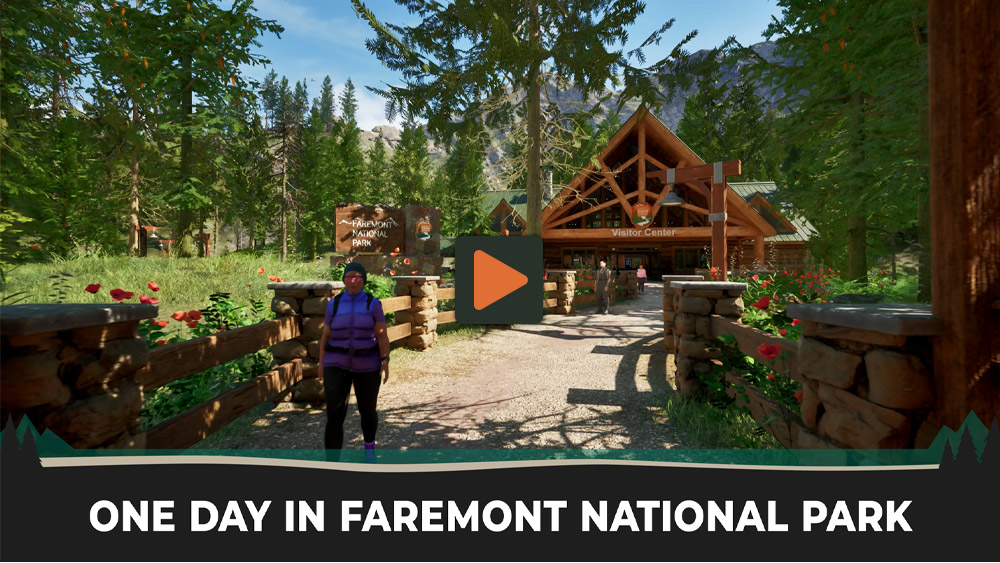
In Ranger’s Path: National Park Simulator, you take on the everyday responsibilities of a real park ranger in the stunning Faremont National Park. Restore and maintain scenic trails, assist visitors, and document wildlife in a living, breathing ecosystem.
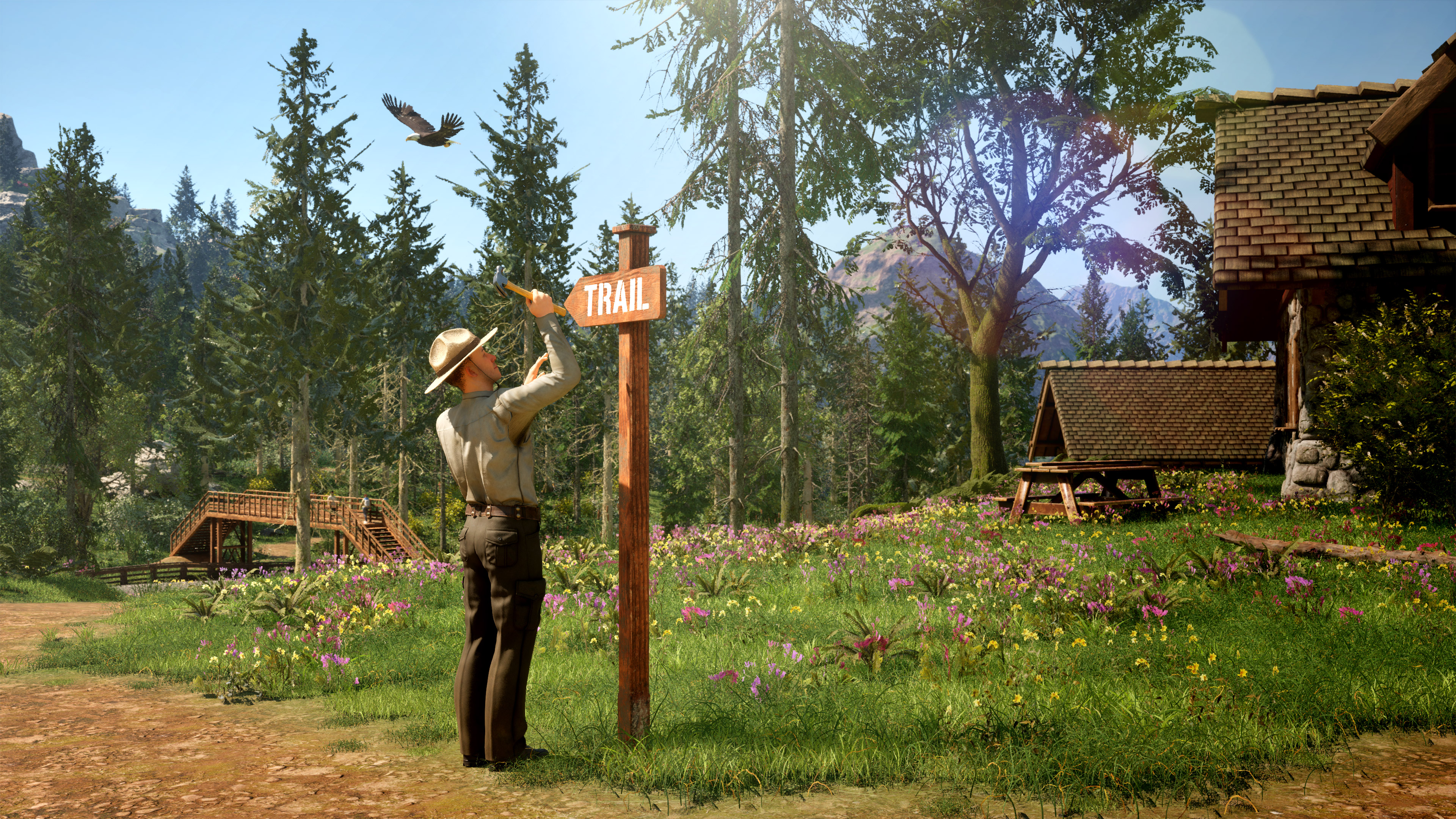
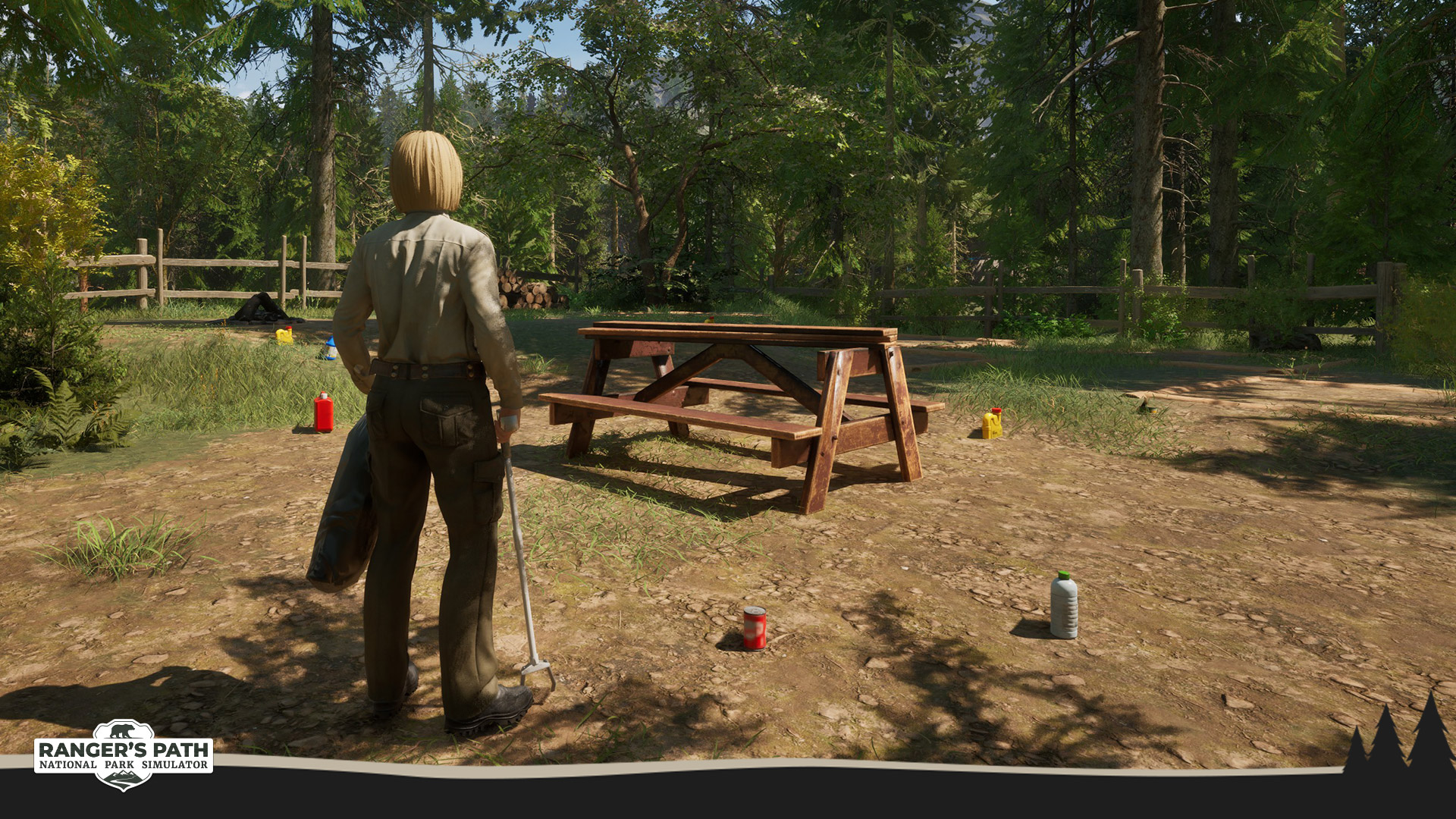
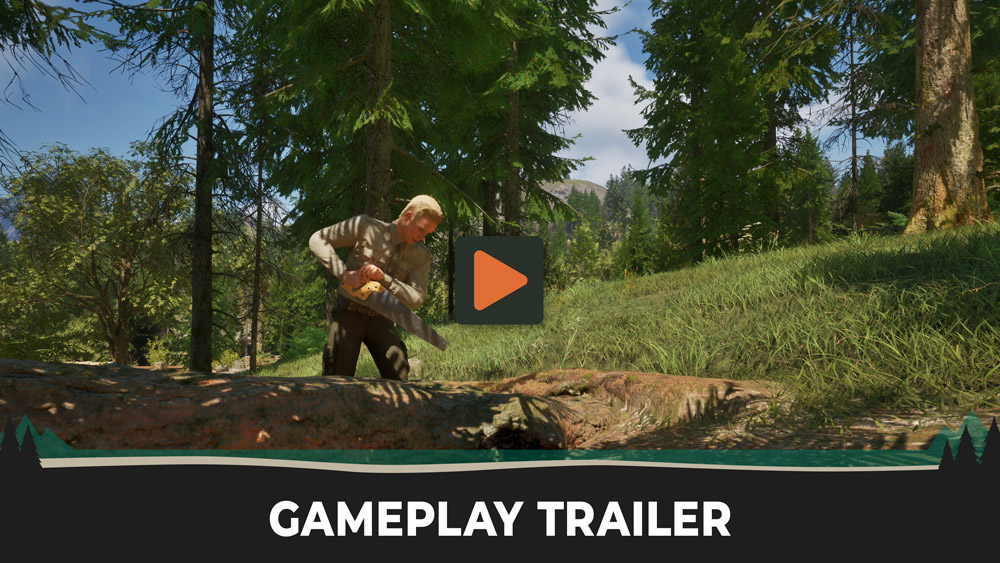
You’ll clear blocked paths, care for local flora, fix broken signs, step in when park rules are broken and take on larger assignments across the park – and occasionally drop everything to respond to urgent wildlife sightings or missing hikers. Each day brings new tasks and surprises.
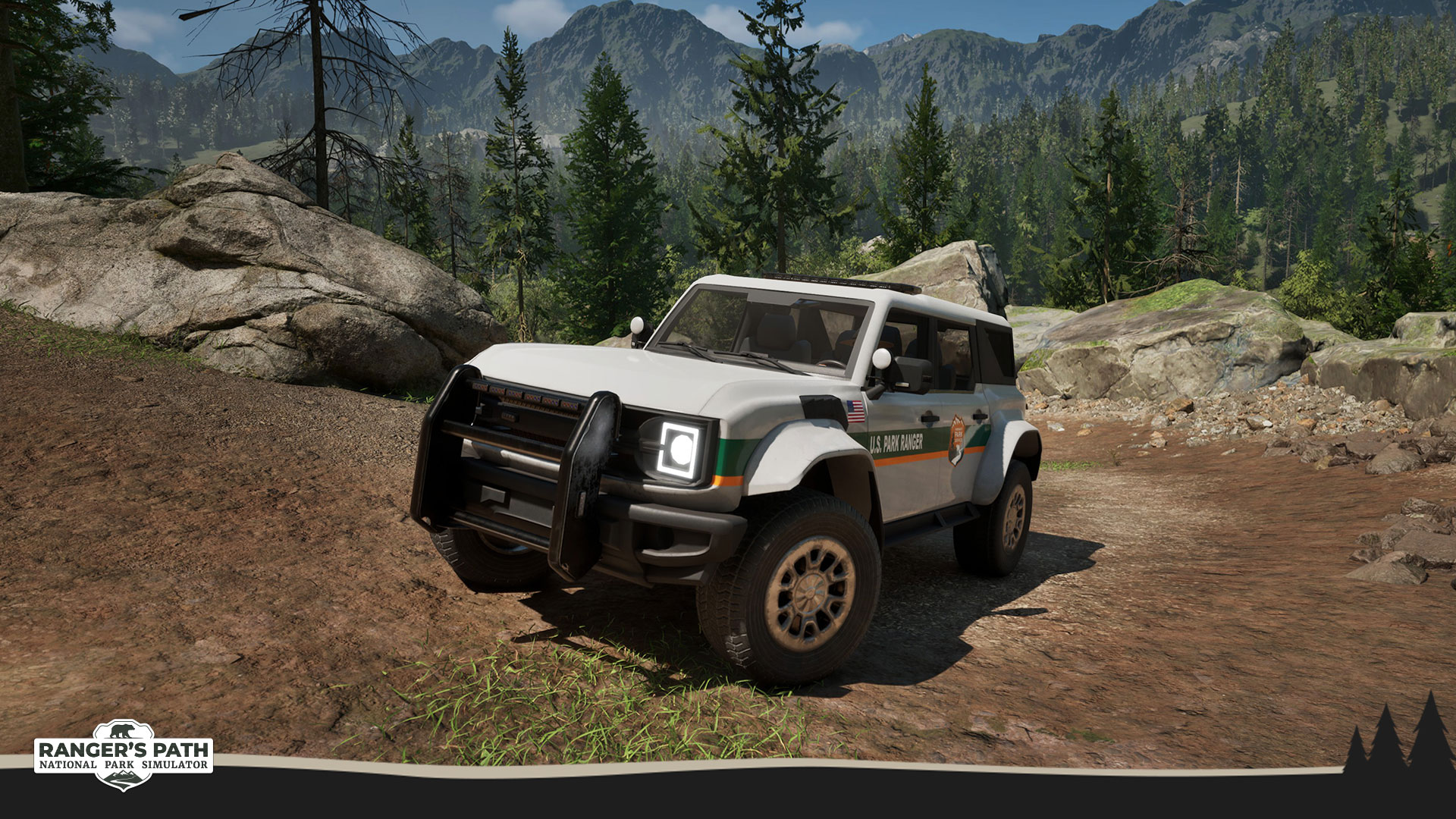
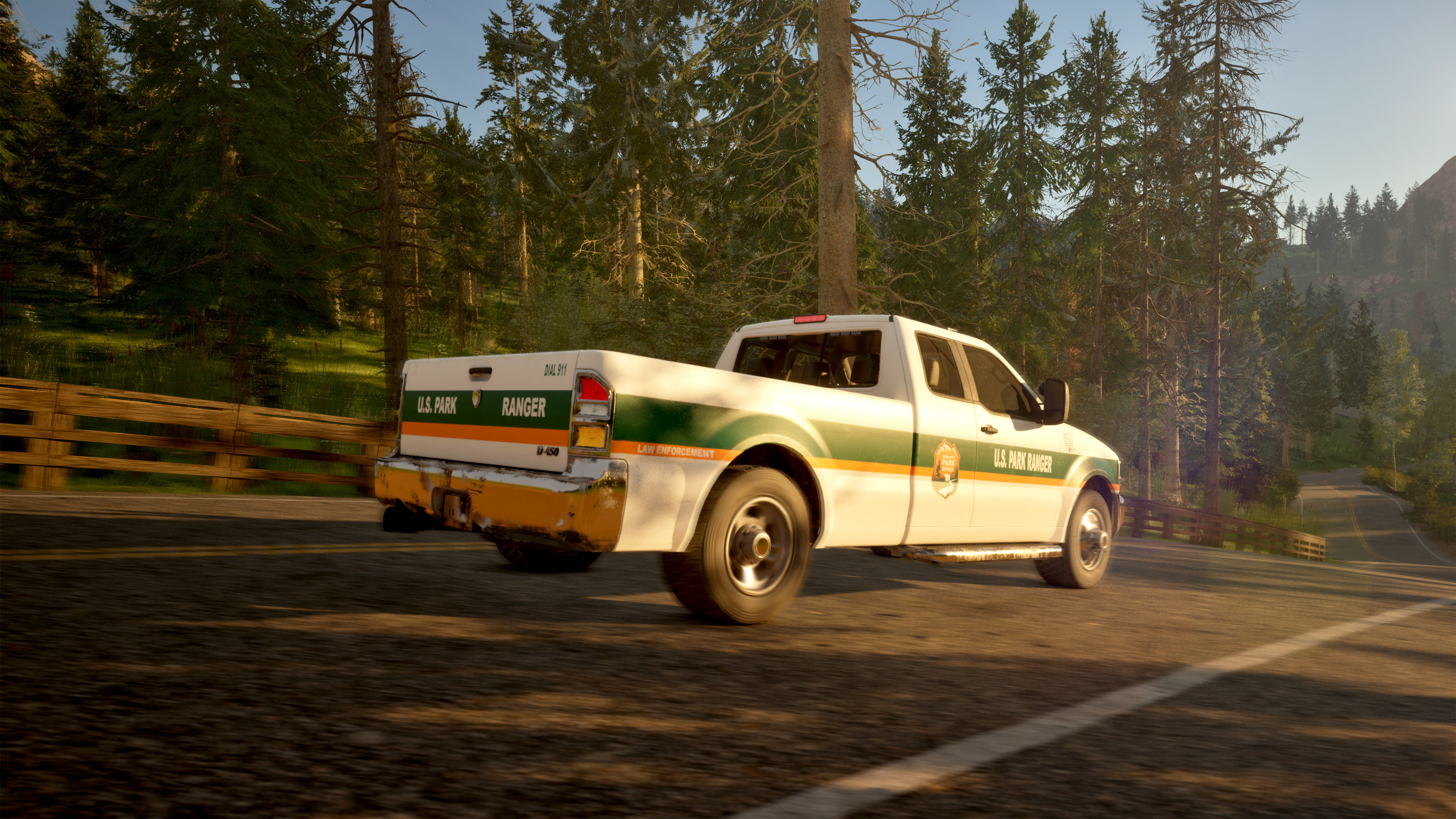
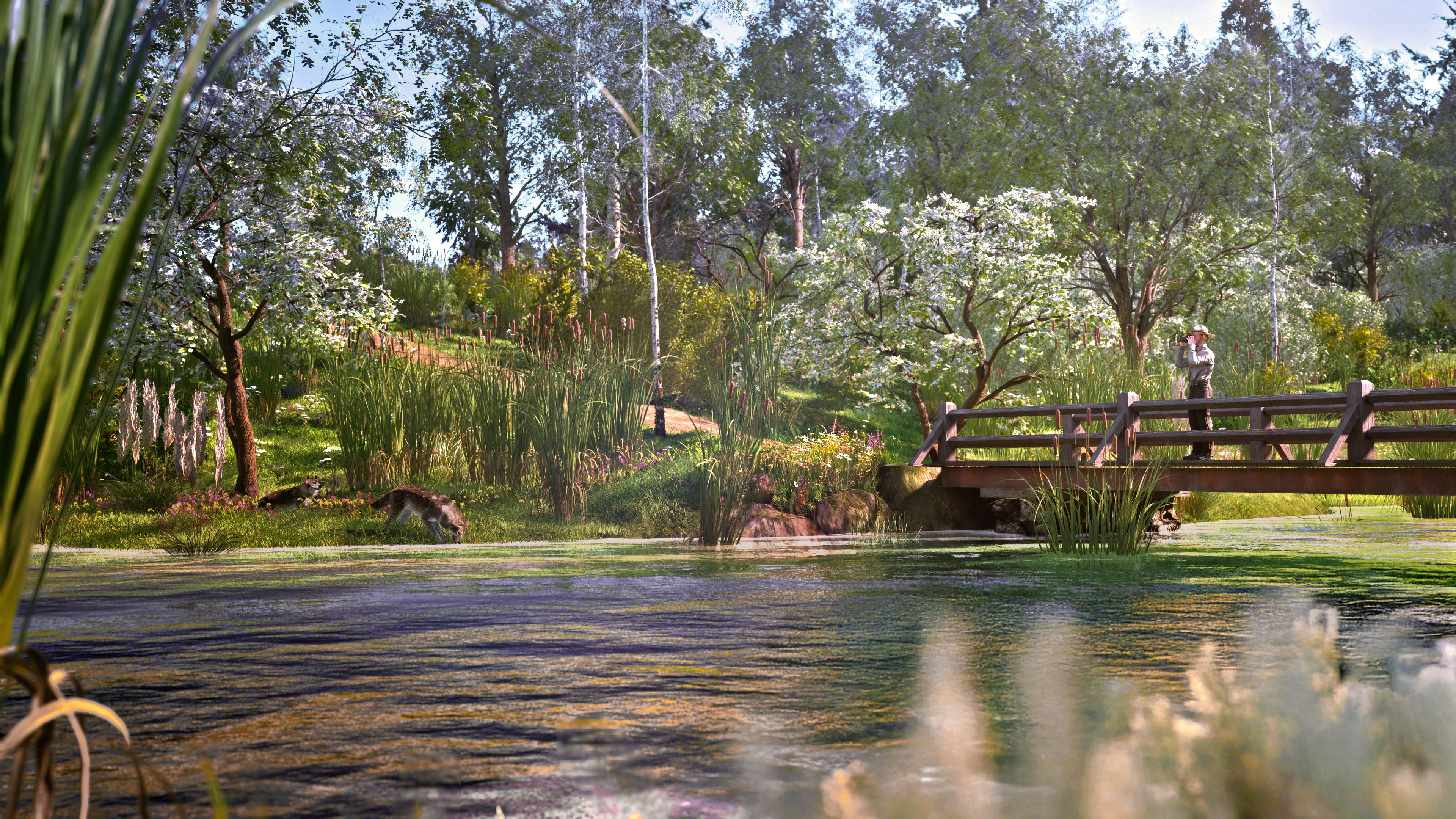
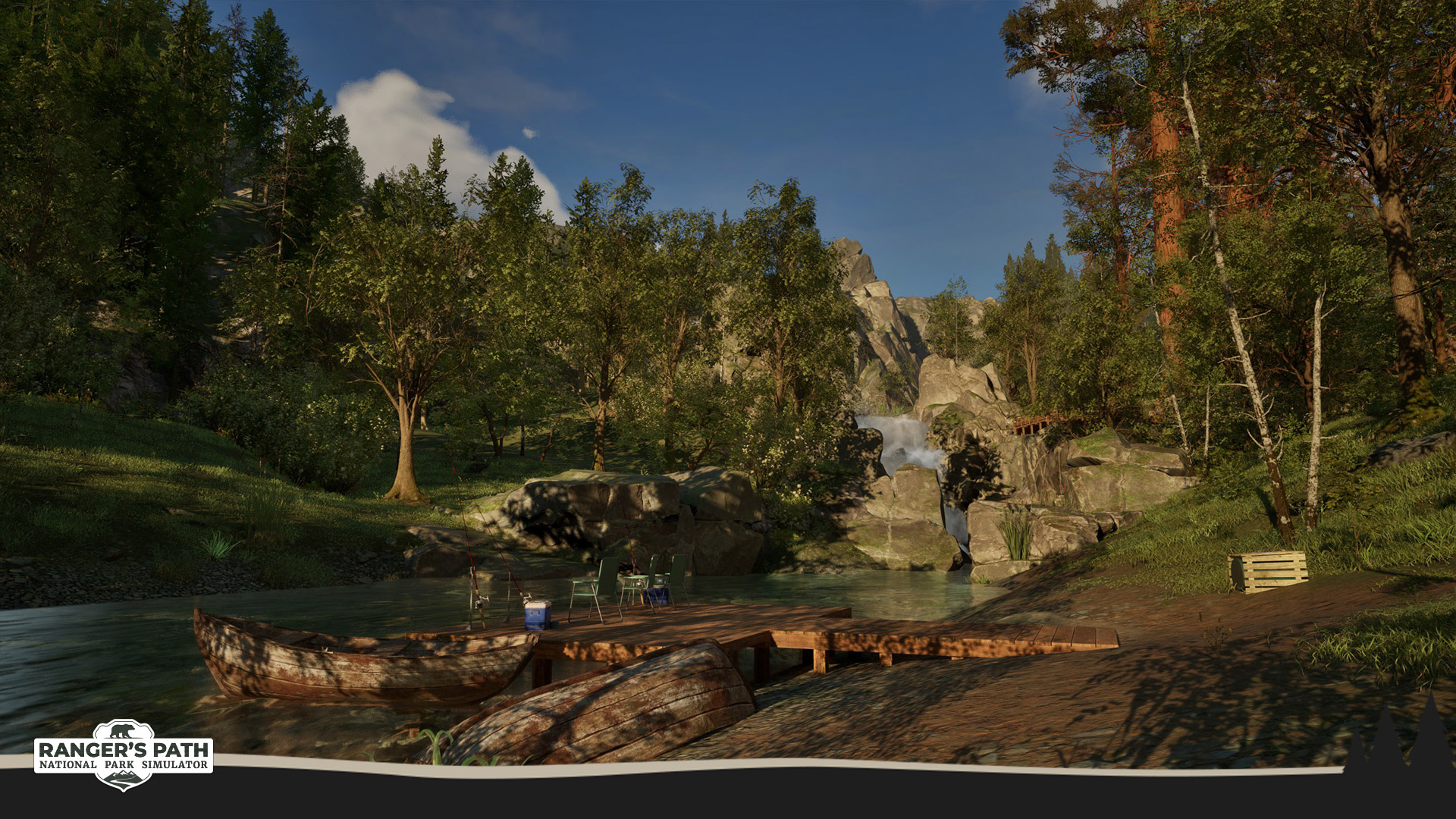
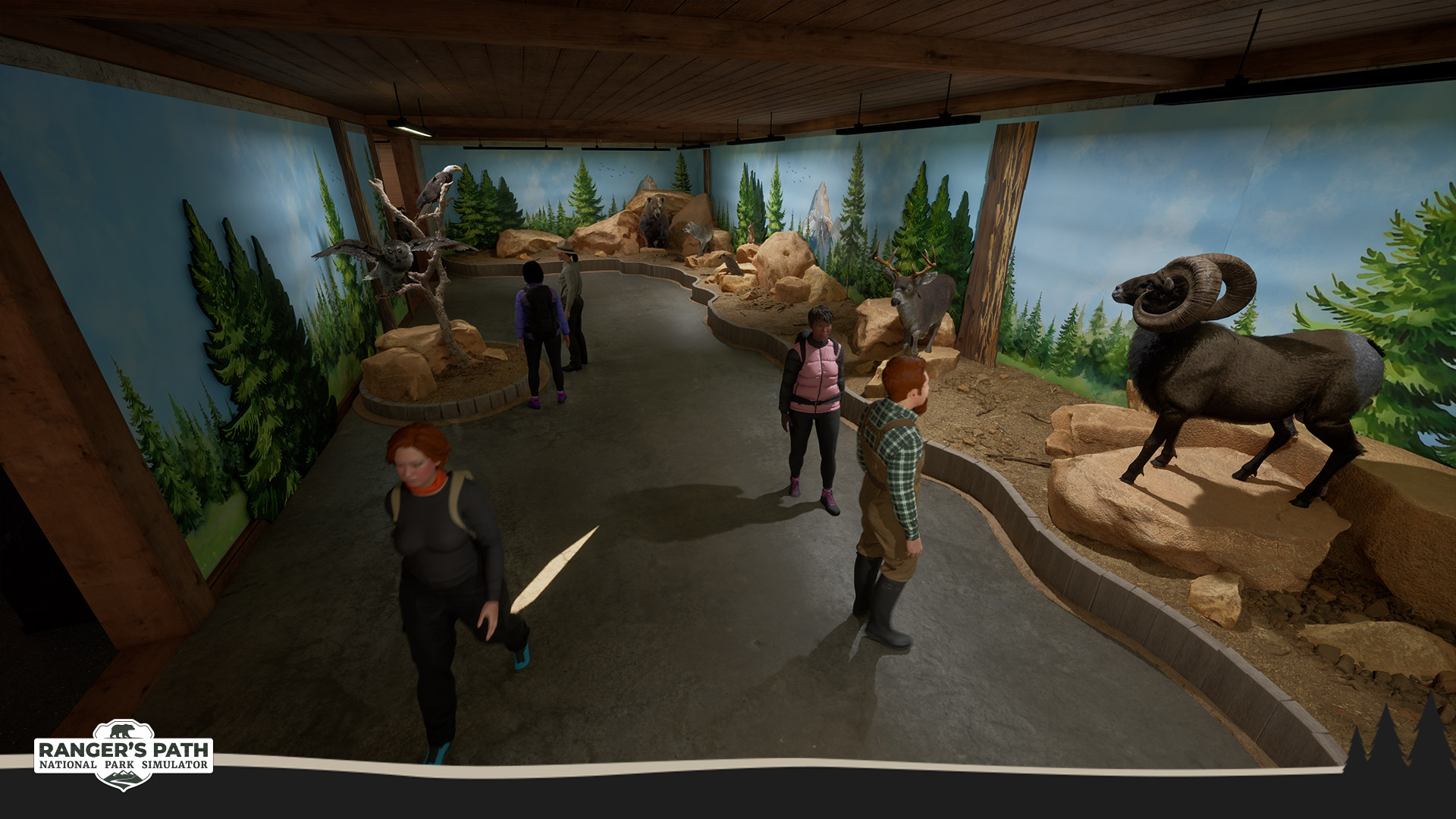
Faremont’s diverse biomes range from dense forests and meadows to winding rivers. With your ranger vehicles, you’ll cover long distances along the park’s road network, reaching remote areas filled with natural landmarks like waterfalls, rock formations, and scenic viewpoints.
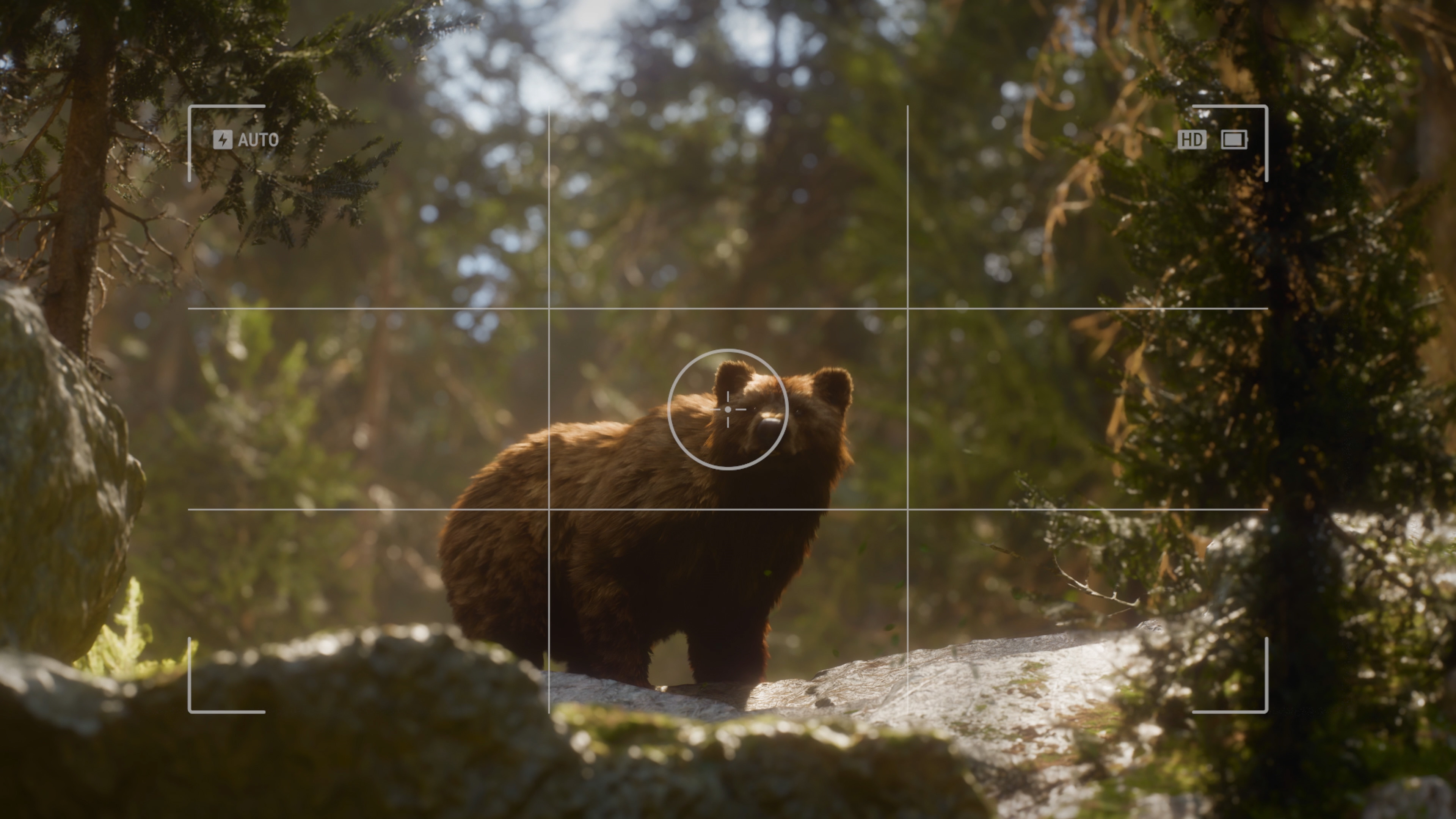
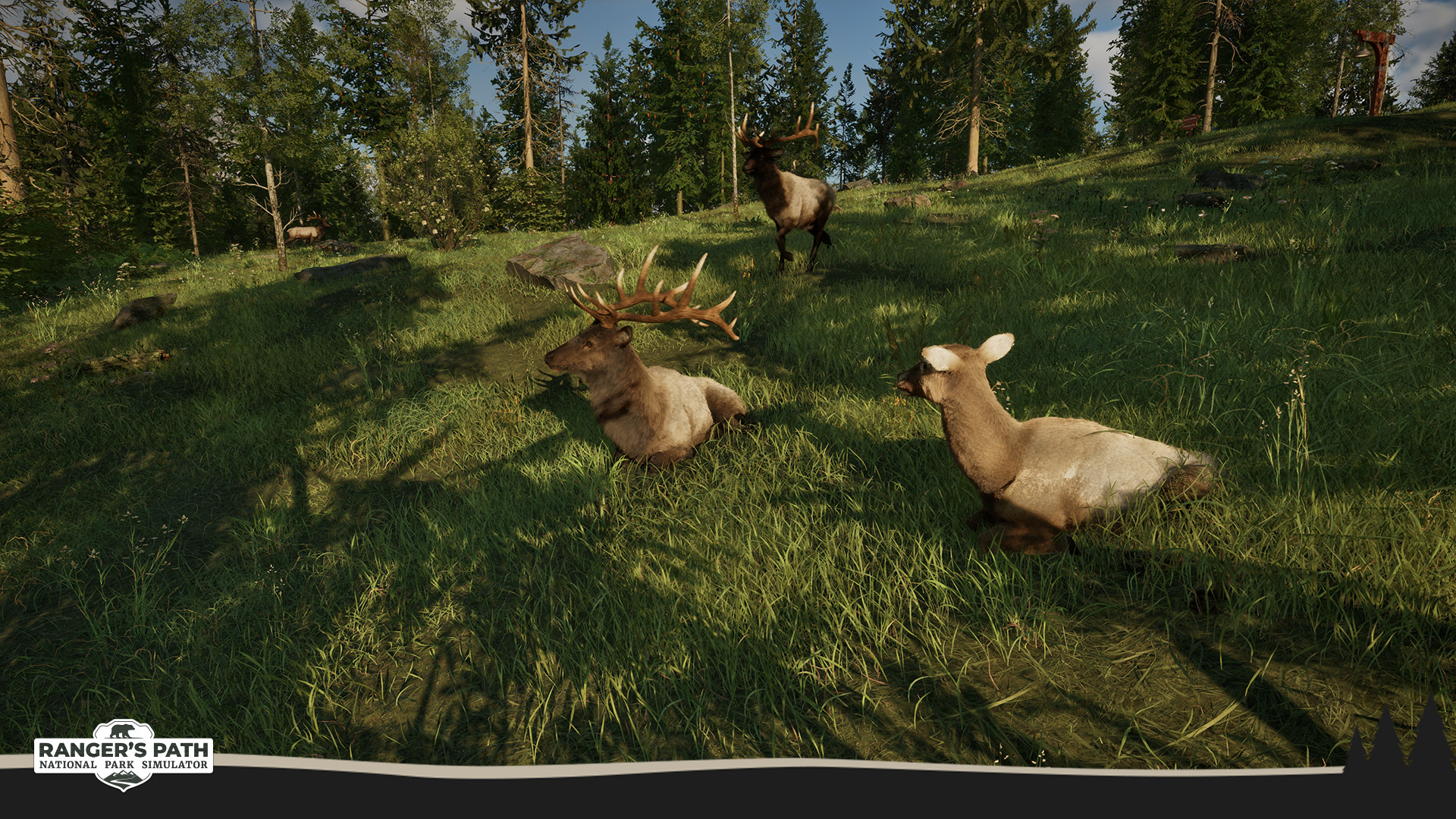
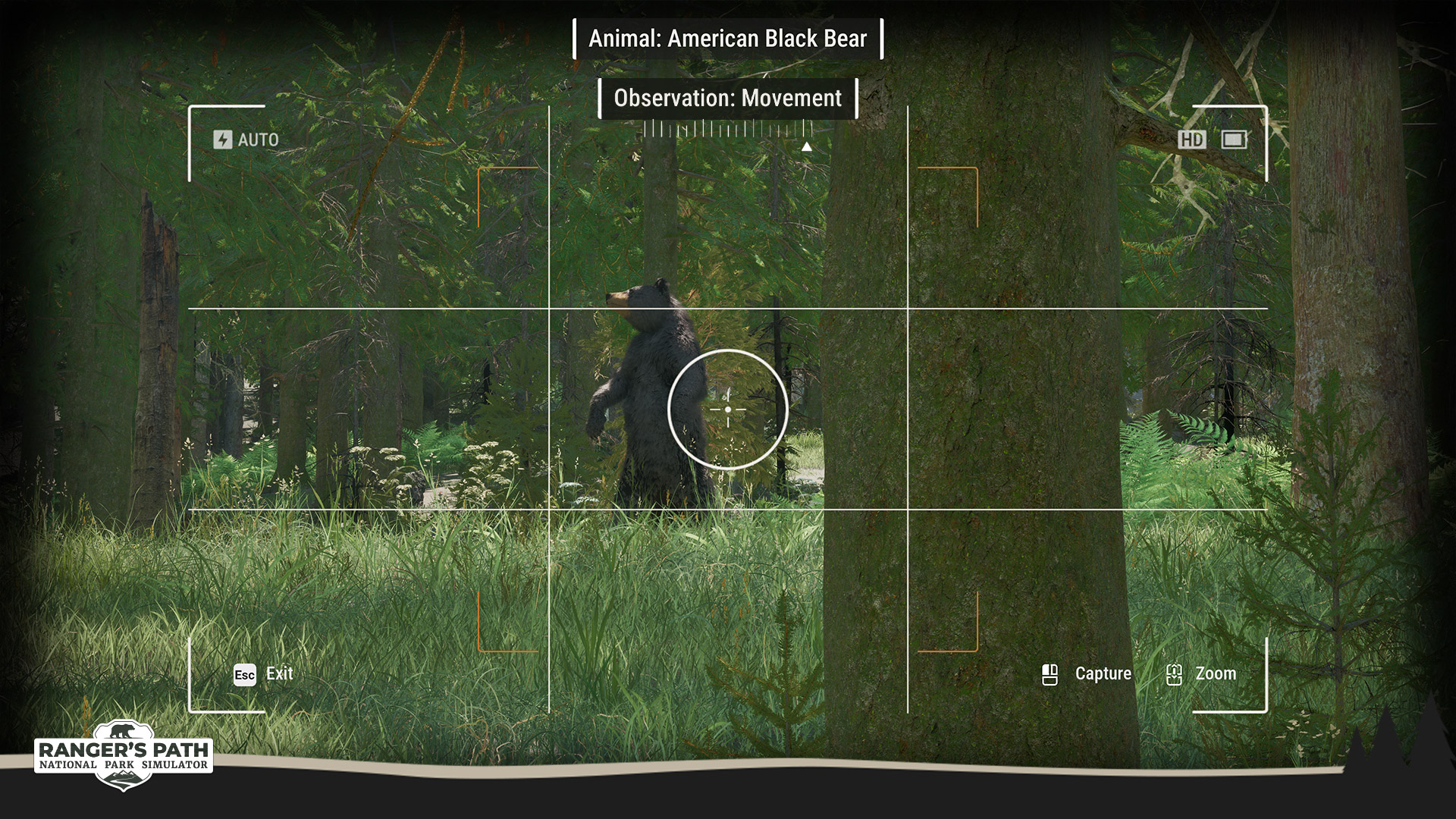
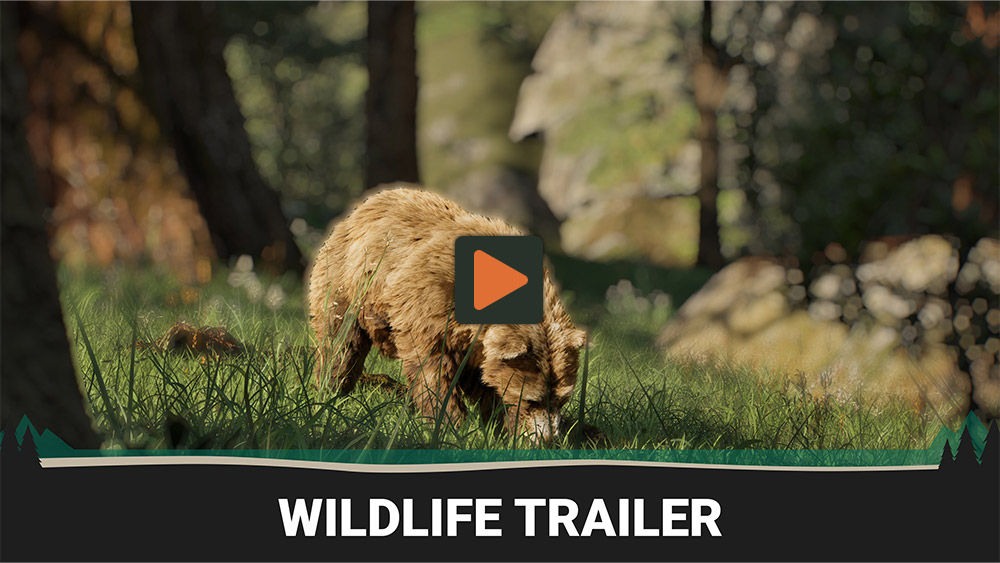
As you explore, use your camera to observe animal behavior and expand your personal wildlife lexicon. From elusive wolves and majestic eagles to mischievous raccoons, each species adds life to the park’s biological habitat.
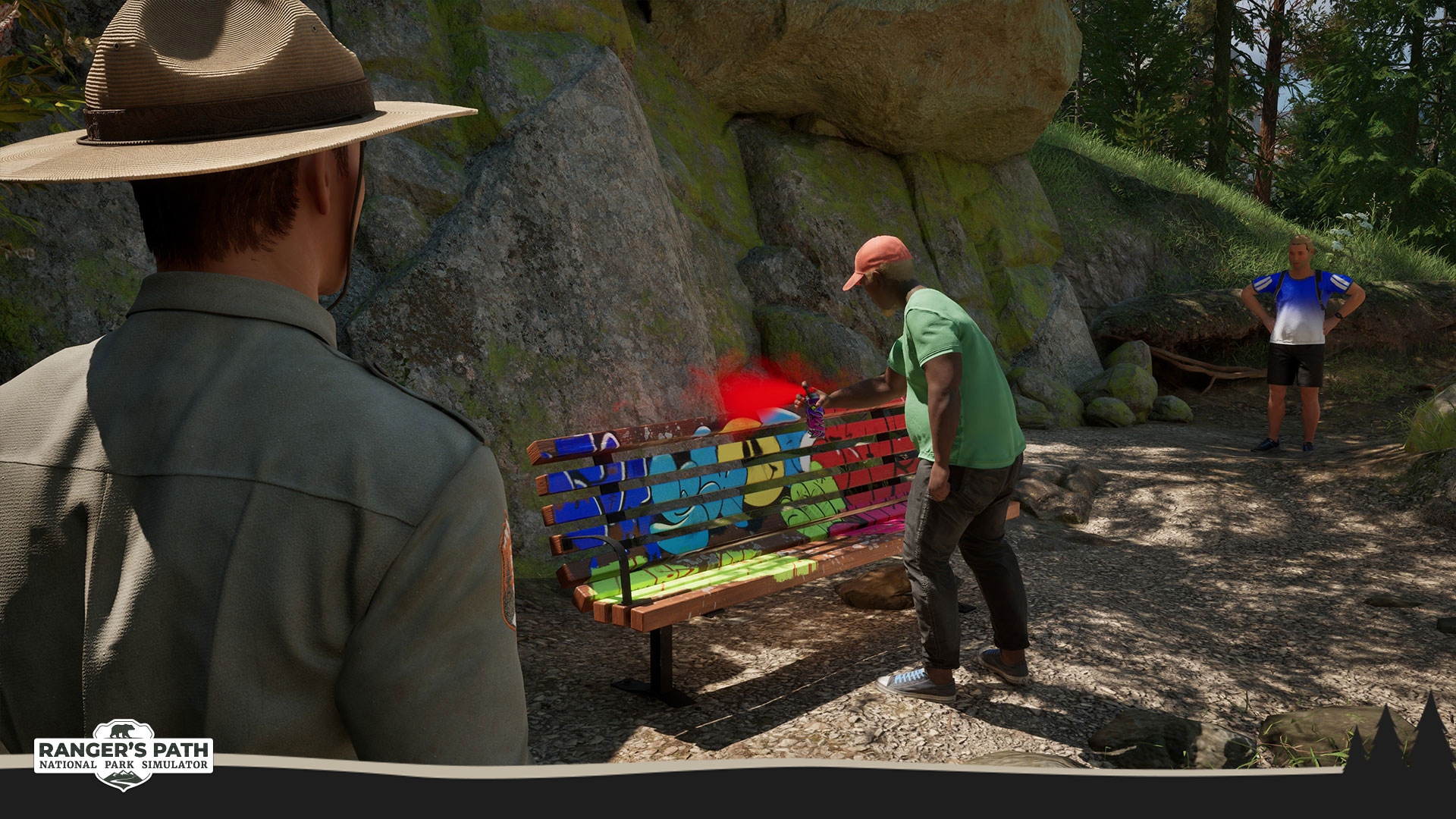
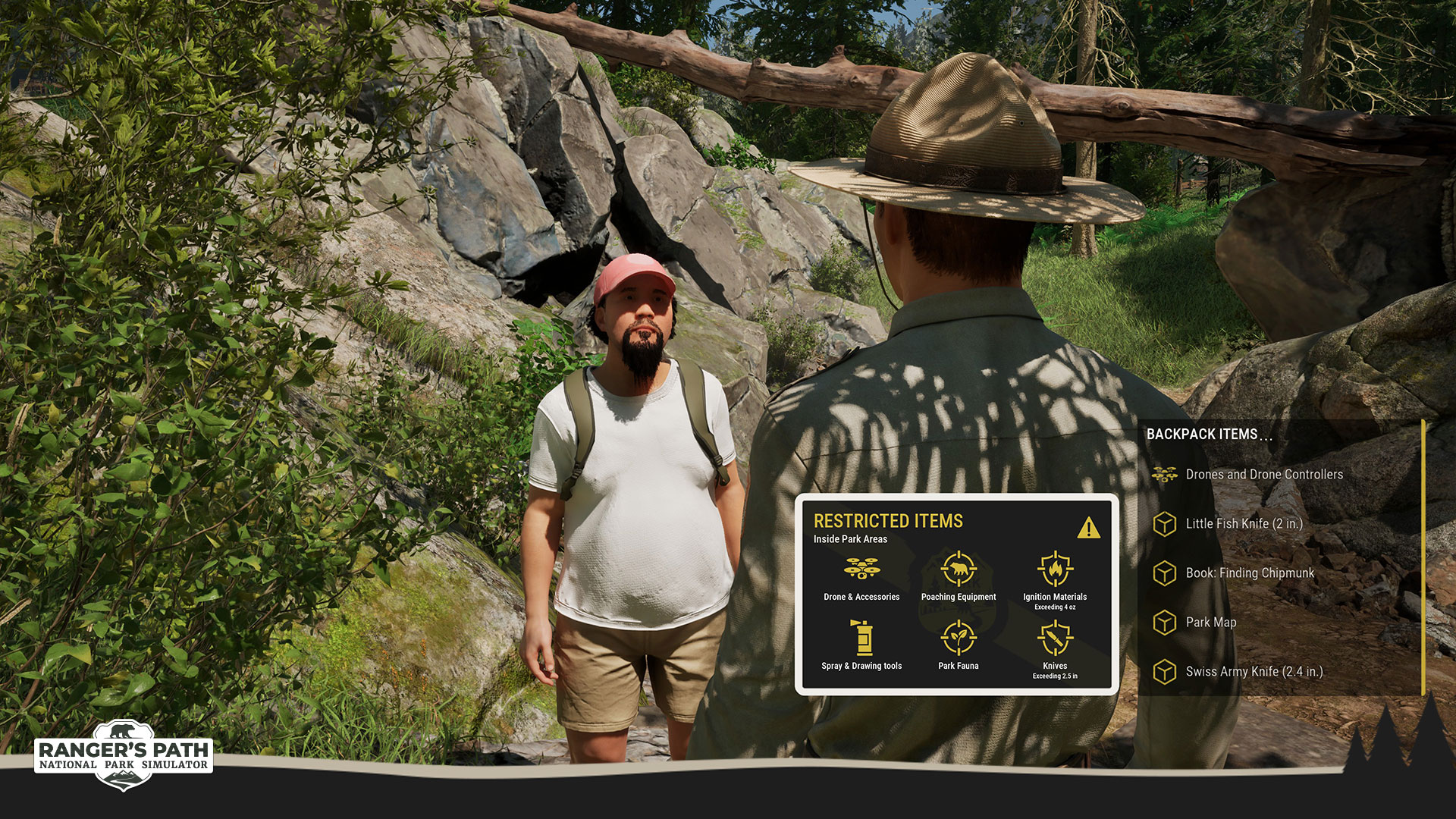
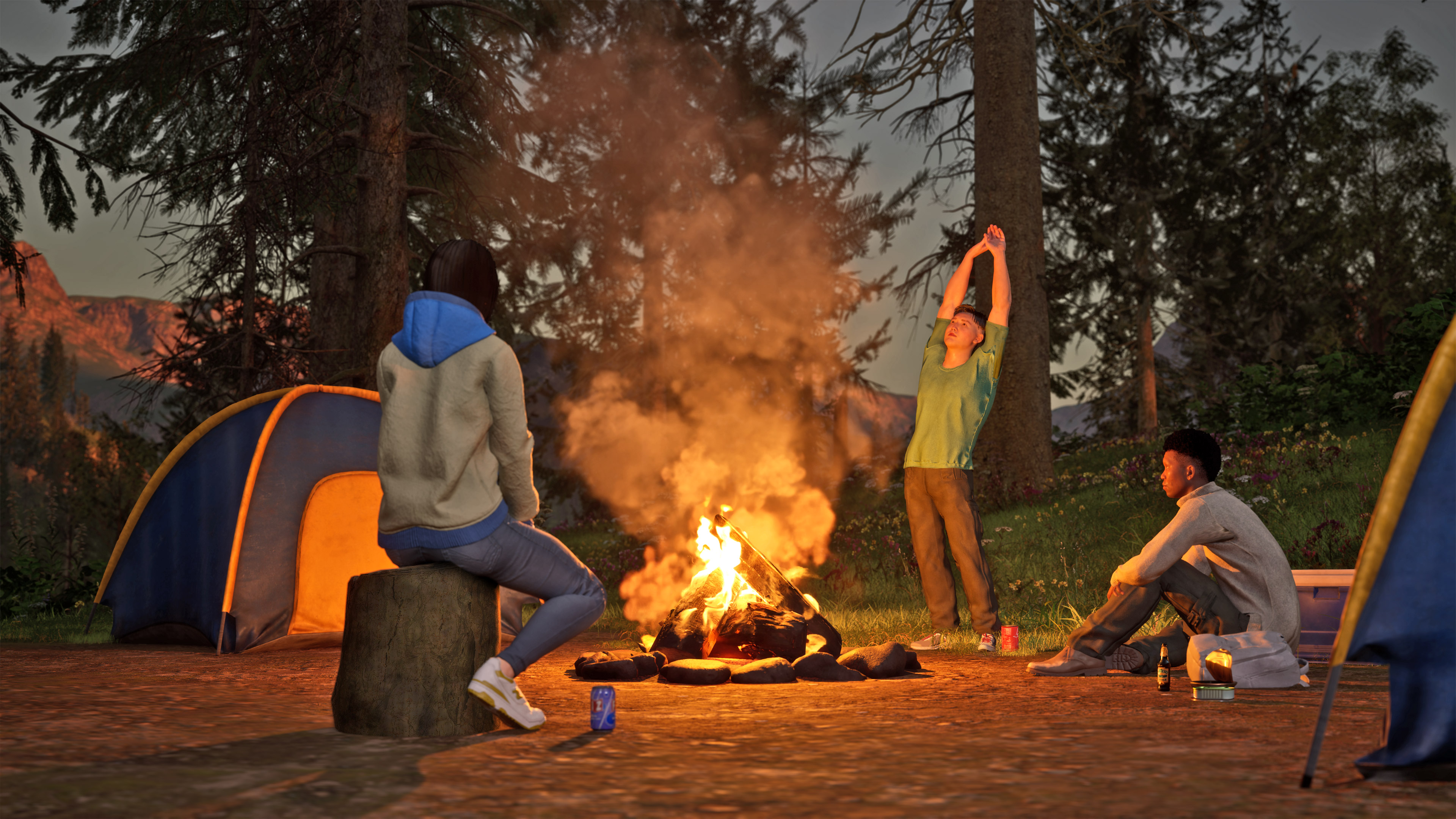
But your job isn’t just about nature – it’s also about people. You’ll guide campers, check permits, respond to emergencies, and investigate unusual behavior. Handle incidents such as illegal drone flights, vandalism, or poaching, and search backpacks for prohibited items to keep the park welcoming and safe.
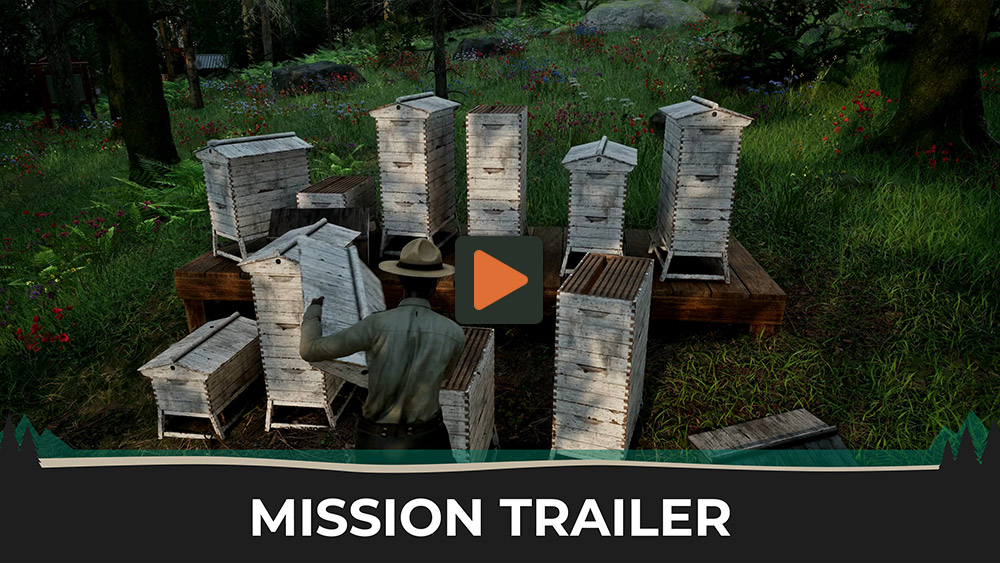
Take on additional ranger duties such as inspecting plant health, marking or removing damaged flora, restocking supplies across the park, and transporting materials between locations. Track your impact through a park review system that reflects how well you maintain different areas and unlock new missions and items within your park.
Put on your ranger hat and begin your journey today in Ranger’s Path: National Park Simulator.
 Features
Trailer
Features
Trailer


You cannot discuss True Detective Season 1 without mentioning the end of Episode 4, "Who Goes There." The episode concludes with a six-minute, single-shot tracking sequence (a oner ) that follows Rust through a chaotic neighborhood raid gone wrong. It is a technical marvel that heightened the stakes of the show, proving that television could match—or exceed—the cinematic quality of big-budget films. Why It Still Matters
When True Detective premiered on HBO in January 2014, it didn't just capture the cultural zeitgeist—it redefined what television could achieve. While the series has since evolved into an anthology format with varying degrees of success, the first season remains a towering achievement in the "Prestige TV" era. True Detective Season 1
The narrative follows two Louisiana State Police detectives, Rustin "Rust" Cohle (Matthew McConaughey) and Martin "Marty" Hart (Woody Harrelson). The story is masterfully told across three distinct timelines: 1995, 2002, and 2012. You cannot discuss True Detective Season 1 without
Director Cary Joji Fukunaga and writer Nic Pizzolatto transformed the rural Louisiana coast into a character of its own. The landscape is one of decaying refineries, sprawling swamps, and forgotten coastal towns. While the series has since evolved into an
In 1995, the pair investigates the ritualistic murder of Dora Lange, whose body is found posed in a prayer-like position, wearing deer antlers and surrounded by strange twig lattice structures. As they hunt for a killer they believe is linked to a series of disappearances, the case begins to consume their lives. By 2012, the two are estranged, being interviewed by new detectives about the Lange case, hinting that the "monster" they thought they caught nearly two decades prior might still be at large. Rust and Marty: The Philosophy of Contrast
is the "average Joe"—a family man who clings to traditional structures of morality while simultaneously undermining them through infidelity and hypocrisy. Harrelson provides the perfect foil, grounding Rust’s high-concept monologues with a gritty, frustrated realism. Atmosphere and Aesthetic: The Louisiana Gothic
Subscribe to our newsletter to get the latest news of Ranger’s Path: National Park Simulator right in your inbox. Please note that you have to confirm your subscription before receiving our newsletter.
You cannot discuss True Detective Season 1 without mentioning the end of Episode 4, "Who Goes There." The episode concludes with a six-minute, single-shot tracking sequence (a oner ) that follows Rust through a chaotic neighborhood raid gone wrong. It is a technical marvel that heightened the stakes of the show, proving that television could match—or exceed—the cinematic quality of big-budget films. Why It Still Matters
When True Detective premiered on HBO in January 2014, it didn't just capture the cultural zeitgeist—it redefined what television could achieve. While the series has since evolved into an anthology format with varying degrees of success, the first season remains a towering achievement in the "Prestige TV" era.
The narrative follows two Louisiana State Police detectives, Rustin "Rust" Cohle (Matthew McConaughey) and Martin "Marty" Hart (Woody Harrelson). The story is masterfully told across three distinct timelines: 1995, 2002, and 2012.
Director Cary Joji Fukunaga and writer Nic Pizzolatto transformed the rural Louisiana coast into a character of its own. The landscape is one of decaying refineries, sprawling swamps, and forgotten coastal towns.
In 1995, the pair investigates the ritualistic murder of Dora Lange, whose body is found posed in a prayer-like position, wearing deer antlers and surrounded by strange twig lattice structures. As they hunt for a killer they believe is linked to a series of disappearances, the case begins to consume their lives. By 2012, the two are estranged, being interviewed by new detectives about the Lange case, hinting that the "monster" they thought they caught nearly two decades prior might still be at large. Rust and Marty: The Philosophy of Contrast
is the "average Joe"—a family man who clings to traditional structures of morality while simultaneously undermining them through infidelity and hypocrisy. Harrelson provides the perfect foil, grounding Rust’s high-concept monologues with a gritty, frustrated realism. Atmosphere and Aesthetic: The Louisiana Gothic