
Disclaimer
Nextpad++ is an independent community port and is not affiliated with or endorsed by the Notepad++ project.
Video Title Devil Khloe Thick Latina Step Si Hot May 2026
Nextpad++ is macOS native editor for Apple Silicon and Intel Macs.
Nextpad++ is an independent community port and is not affiliated with or endorsed by the Notepad++ project.
Nextpad++ is macOS native editor for Apple Silicon and Intel Macs.
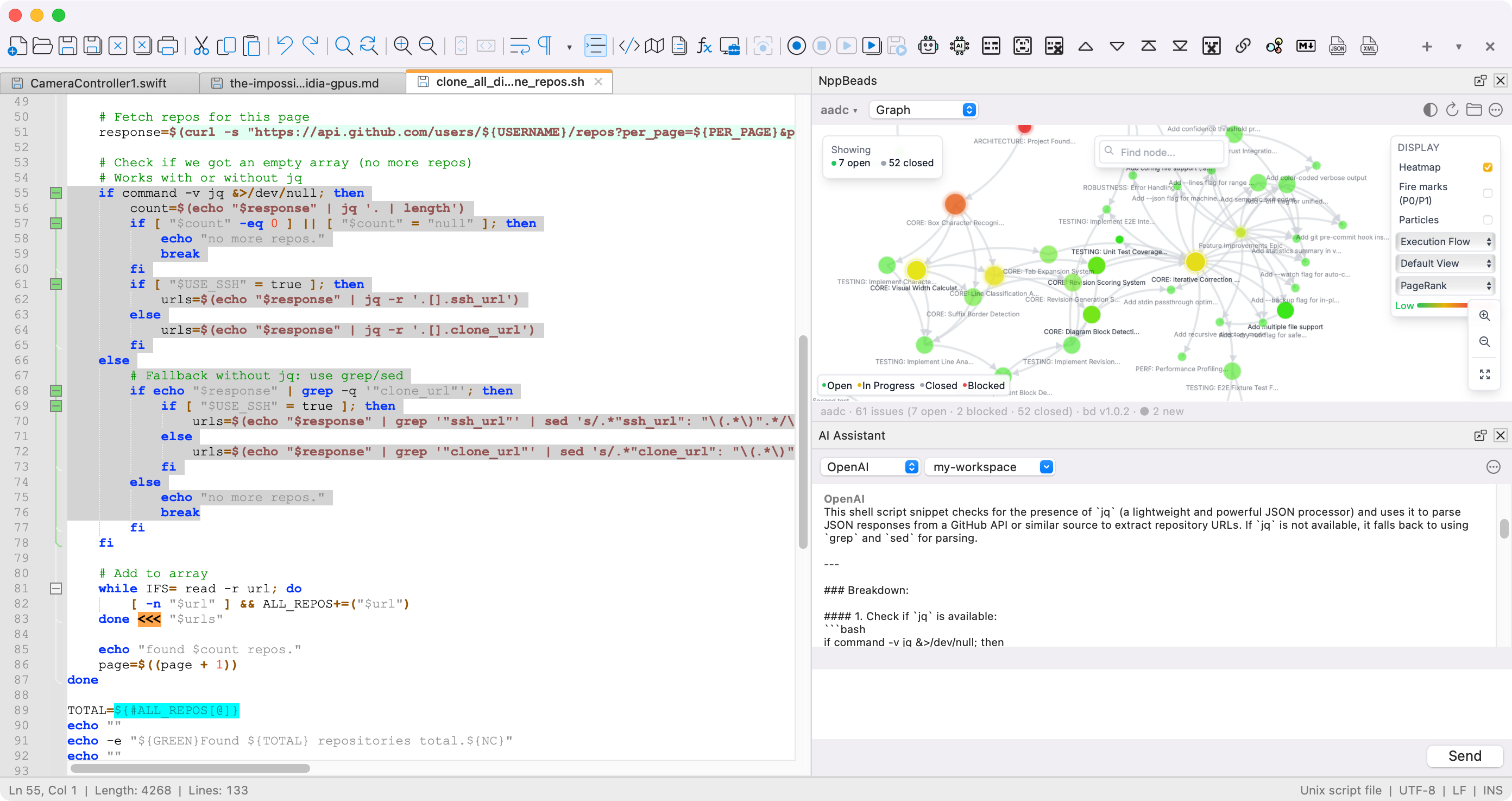
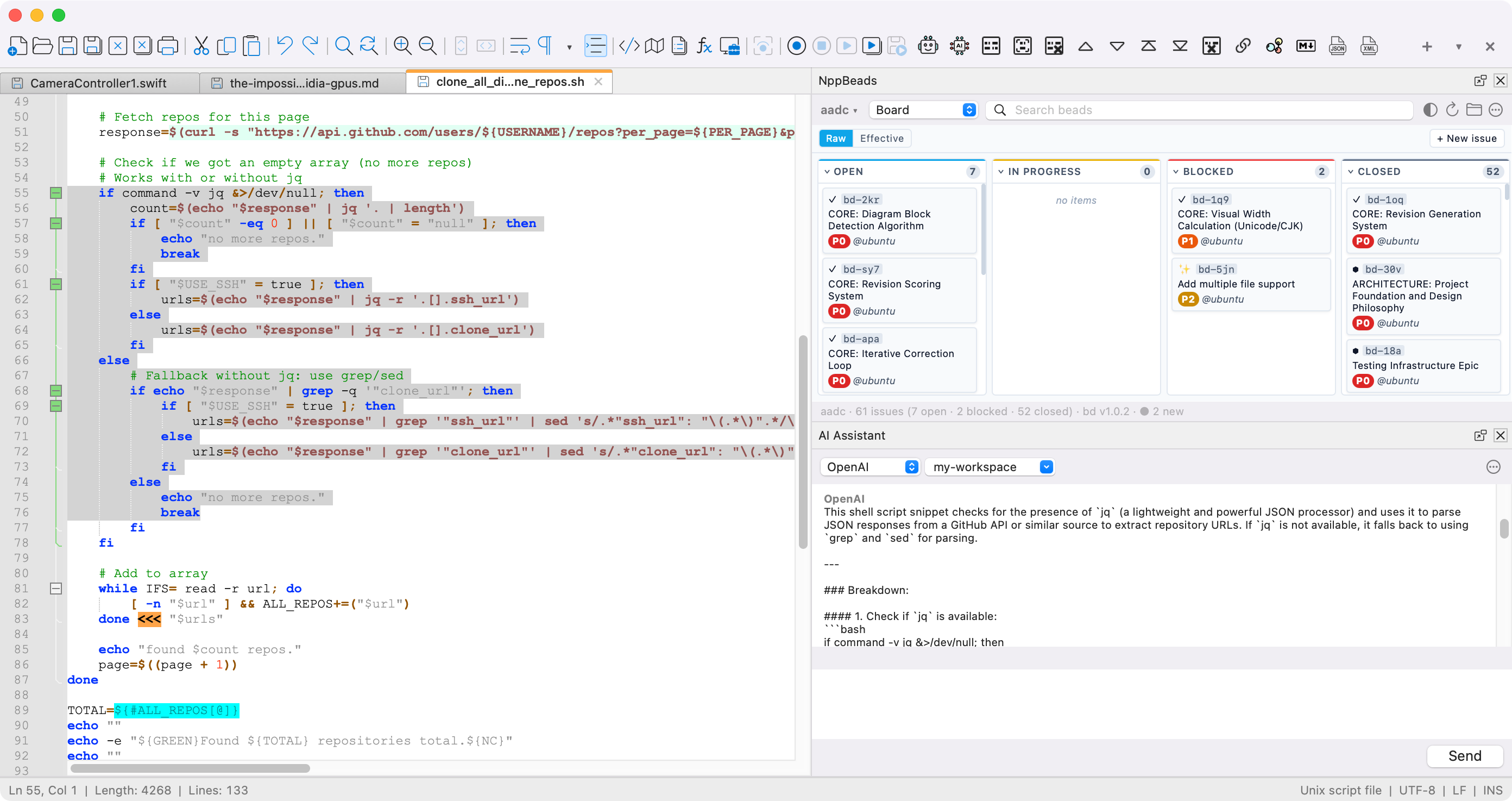
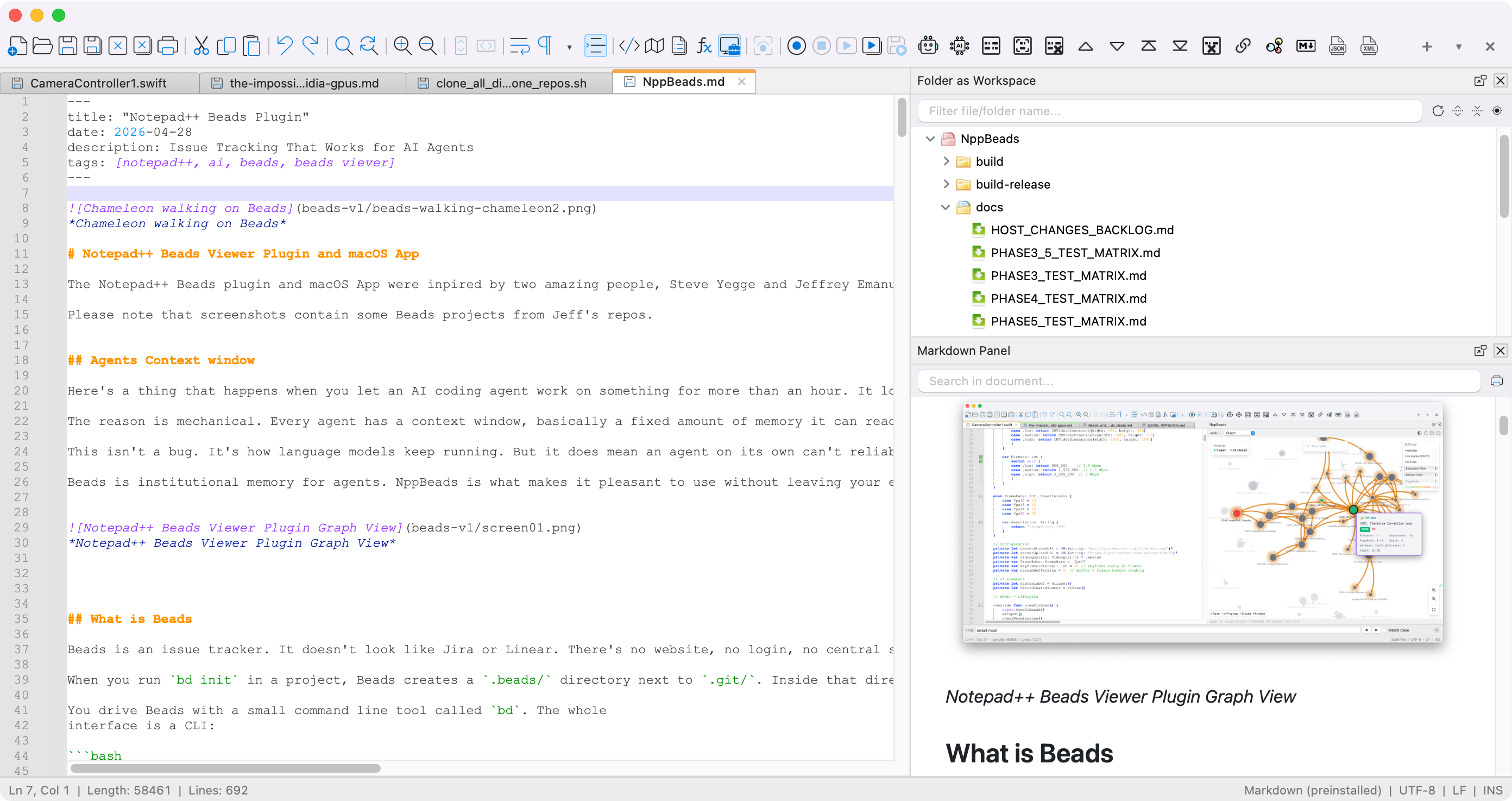
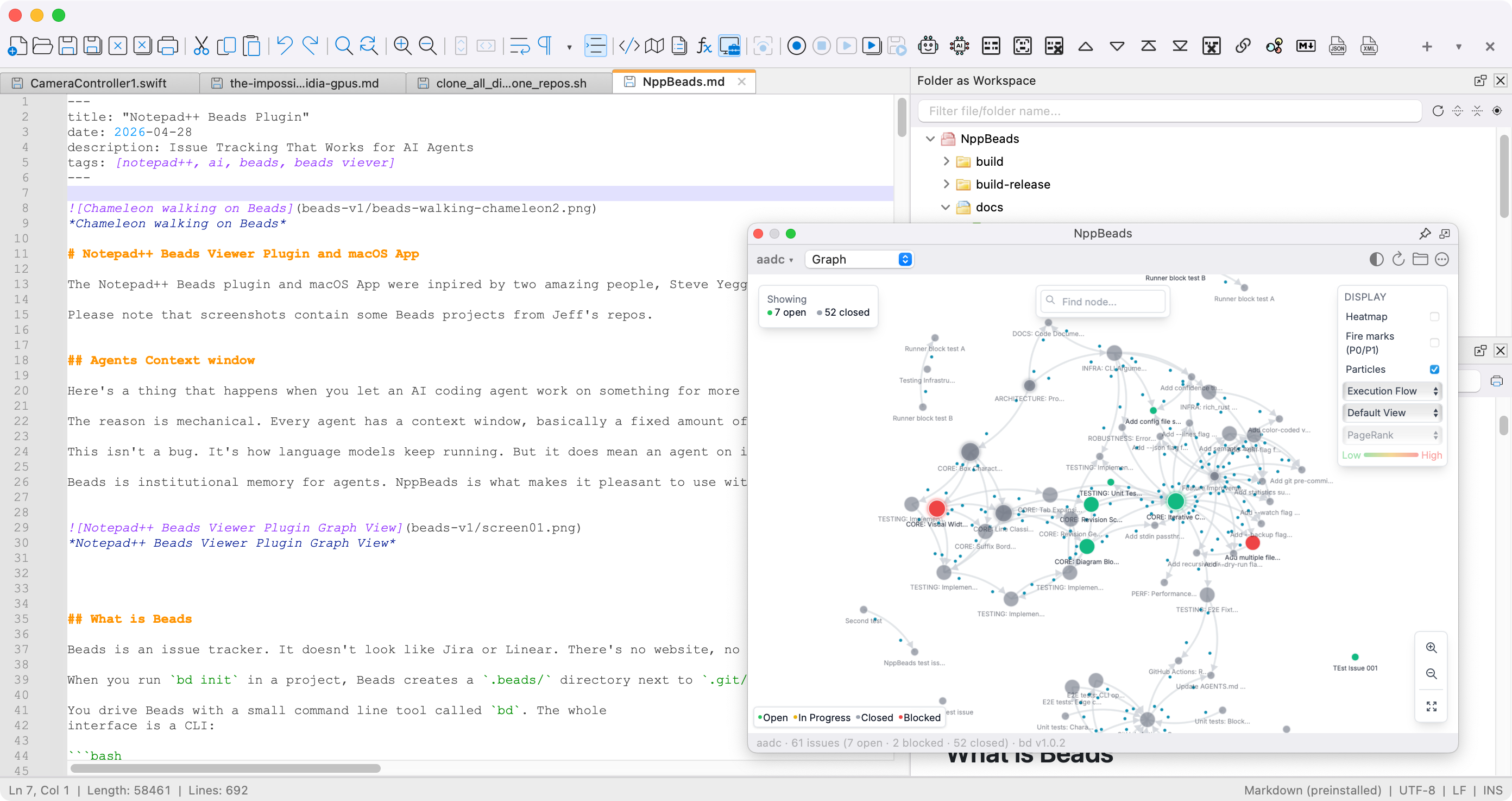
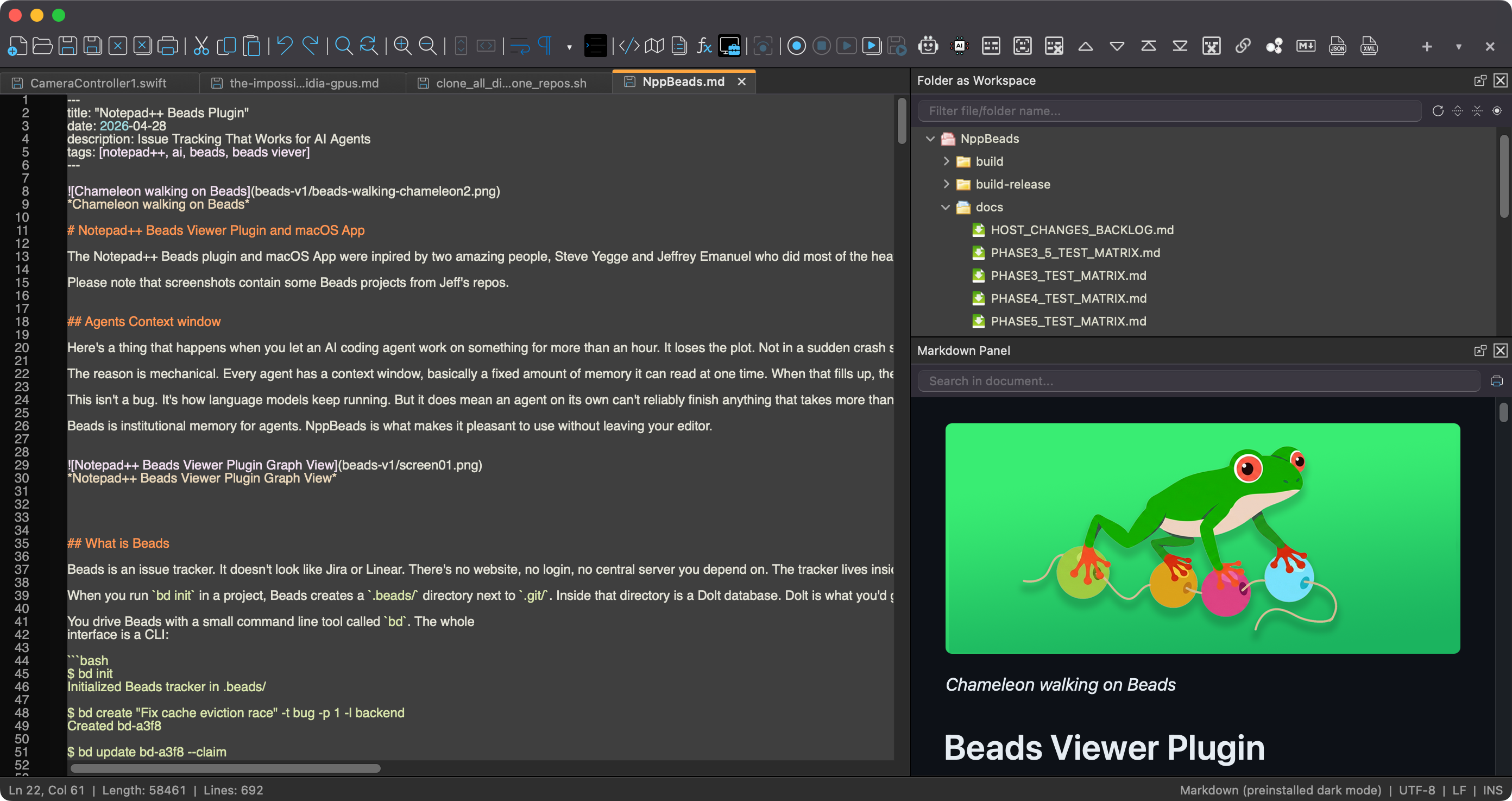
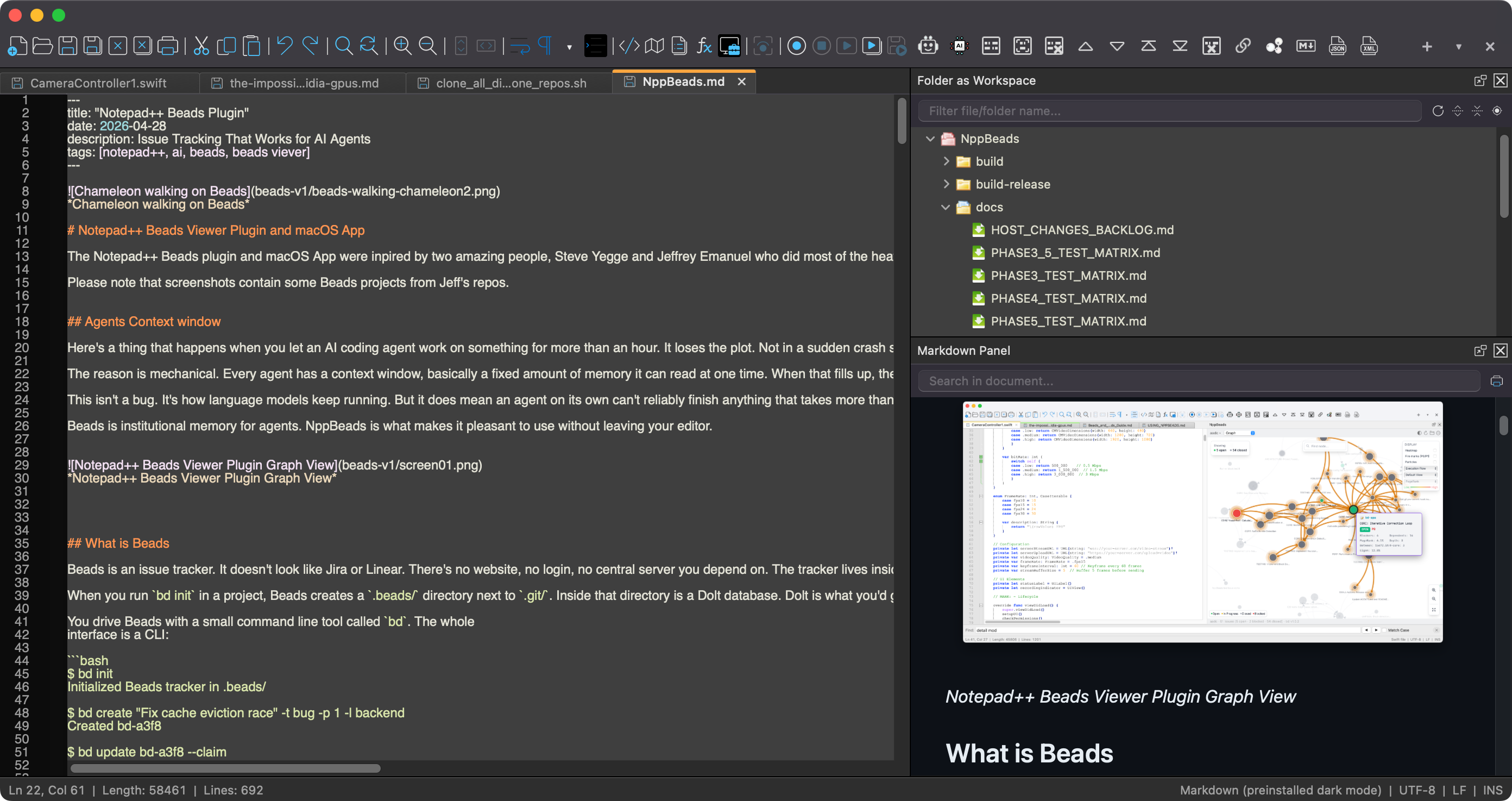
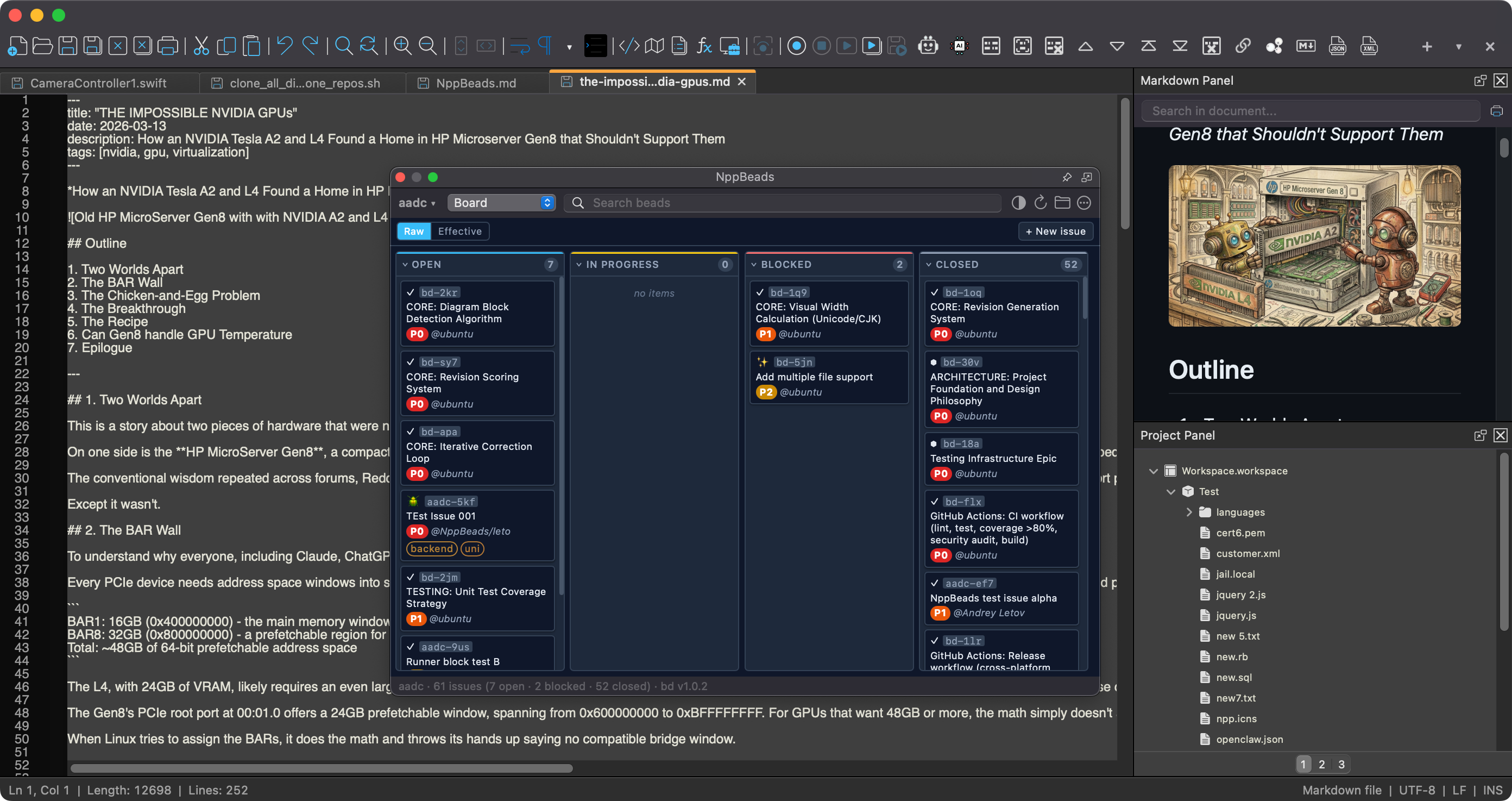
Nextpad++ has powerful features and built to feel right at home on macOS.
Support for 80+ programming languages with customizable color themes and user-defined languages. Switch Nextpad++ to the language you speak. It supports 137 languages out of the box.
Extend functionality with a rich plugin ecosystem. Customize your editor to match your workflow. More plugins are being migrated to macOS as we speak.
Built for M-series chips. Launches instantly, runs efficiently, and respects your battery life.
Powerful search with regular expressions, find in files, bookmark lines, and incremental search.
View and edit two documents side by side, or two parts of the same document simultaneously.
Record, save, and replay macros to automate repetitive editing tasks with ease.
Nextpad++ is a free, open-source source code editor that supports many programming languages and is great for general text editing. No Wine, Porting Kit, or emulation layer is needed — this is an independent native Notepad++ port governed by the GNU General Public License.
Based on the powerful editing component Scintilla, Nextpad++ for Mac is written in Objective C++ and uses pure platform-native APIs to ensure higher execution speed and a smaller program footprint. I hope you enjoy Nextpad++ on macOS as much as I enjoy bringing it to the Mac.
This project is an open-source and independent community port of Notepad++ to macOS, started on March 1, 2026. It is distributed as an Apple Developer ID-signed and Apple-notarized Universal Binary, runs natively on both Apple Silicon (M1–M5) and Intel Macs, and contains no telemetry, no advertising, and no data collection of any kind. The full source is available at github.com/nextpad-plus-plus/nextpad-plus-plus-macos. For the official Windows version of Notepad++, visit notepad-plus-plus.org.
The search for the "perfect" video title often leads creators down a rabbit hole of trending keywords and high-energy descriptions. In the digital age, where algorithms prioritize engagement and click-through rates (CTR), strings of keywords like represent a specific strategy used to capture a wide net of search traffic.
This term has transitioned from slang to a mainstream descriptor used in fashion and fitness, often associated with a curvy aesthetic.
While stuffing a title with keywords like these can drive initial clicks, it is a double-edged sword. Modern algorithms on YouTube, TikTok, and Instagram are becoming increasingly sophisticated. video title devil khloe thick latina step si hot
The string is a snapshot of current search trends—a mix of aesthetic descriptors, cultural tags, and engagement-bait. For creators, the lesson is clear: while keywords are essential for discoverability, the longevity of a brand depends on delivering content that lives up to the hype of the title.
This article explores why these specific terms are often bundled together, the psychology behind high-click titles, and how to balance search engine optimization (SEO) with quality content. Breaking Down the Keyword "Devil Khloe" The search for the "perfect" video title often
Keywords like "step" or "si" (often a shorthand or typo for "sis") are frequently used in viral storytelling or roleplay-style content. These tags are designed to trigger algorithm recommendations for "storytime" videos or POV (Point of View) sketches that have dominated short-form video platforms. By using these familial or relational identifiers, creators attempt to mimic the naming conventions of videos that have historically gone viral. The "Hot" Factor: Why Urgency Matters
The word is one of the oldest tricks in the SEO book. It serves two purposes: While stuffing a title with keywords like these
It acts as a "power word" that triggers a quicker click response from users browsing through hundreds of thumbnails. Balancing SEO with Platform Guidelines
The inclusion of terms like and "Latina" speaks to the massive volume of searches centered around body positivity and cultural identity.
In the world of social media influencers and content creators, "Devil" themes often refer to a specific aesthetic—usually involving high-contrast lighting, edgy fashion, or "bad girl" personas that perform well on platforms like TikTok and Instagram. When paired with a name like "Khloe," it often targets a specific niche of fans looking for a particular "vibe" or aesthetic that is currently trending in pop culture. The Power of Cultural Identifiers