Qui potrai scaricare il file APK "Speedometer GPS Pro" per Android gratuitamente, versione del file APK - 4.070 per caricare sul vostro dispositivo Android basta cliccare su questo pulsante. È semplice e sicuro. Offriamo solo file APK originali. Se qualsiasi materiale presente sul nostro sito infrange i vostri diritti, contattateci
Questa è la versione Speedometer GPS Pro.
Puoi provare questa versione gratuita:
https://play.google.com/store/apps/details?id=luo.speedometergps
Questa app può monitorare la tua velocità, distanza, tempo, posizione e può anche ottenere l'ora di inizio, il tempo trascorso, velocità media, velocità massima, altitudine ...
Caratteristiche incluse
- Salva le informazioni sulla traccia.
- Passa dal tachimetro dell'auto al ciclometro della bici.
- modalità mph, nodi e km / h.
- Visualizza lo stato dei satelliti.
- Grafico della velocità.
- Integrazione della mappa, ottieni la tua posizione.
……
Facebook: https: //www.facebook.com/SpeedometerGPS
Se hai suggerimenti per la traduzione, contattami!
luohuaming.android@gmail.com GPS Speedometer and Odometer è la migliore app per tachimetro con molte fantastiche funzionalità in cui puoi testare il velocità della tua auto o bici con un misuratore di velocità progettato in modo intelligente in mph o km / h . Questa app GPS Speedometer ha caratteristiche come tachimetro, tachimetro analogico e digitale. Tutto quello che devi fare è accendere il GPS del tuo dispositivo e lasciare che questa app Car Speedometer esegua il test di velocità per te. L'app GPS Speedometer ti offre il controllo completo in cui puoi monitorare la tua velocità sul misuratore di velocità utilizzando l' Head Up Display (HUD)
Esporta GPX in Excel.
Quale funzione richiede l'autorizzazione Fotocamera?
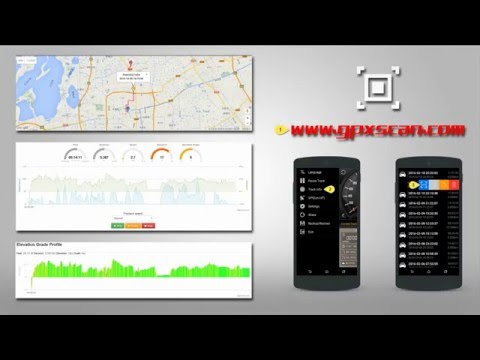
Ora puoi visualizzare la tua traccia sul tuo browser web, caricare file gpx semplicemente scansionando QRcode.
Basta visitare: www.gpxscan.com.
Esporta GPX in Excel.
Quale funzione richiede l'autorizzazione della fotocamera?
Ora puoi visualizzare la tua traccia sul tuo browser web, caricare il file gpx semplicemente scansionando il QRcode.
Visita : www.gpxscan.com.
Esporta GPX in Excel.
Quale funzione richiede l'autorizzazione della fotocamera?
Ora puoi visualizzare la tua traccia sul tuo browser web, caricare il file gpx semplicemente scansionando il QRcode.
Visita : www.gpxscan.com.
Connettiti a Google Drive.
Esporta GPX in Excel.
Quale funzione richiede l'autorizzazione della fotocamera?
Ora puoi visualizzare la tua traccia sul tuo browser web, caricare il file gpx semplicemente scansionando il QRcode.
Visita : www.gpxscan.com.
Connetti a Google Drive.
Esporta GPX in Excel.
Velocità mobile: consente al tachimetro di visualizzare la velocità sulle app della mappa.
Quale funzione richiede il permesso della fotocamera?
Ora puoi visualizzare la traccia sul tuo browser web, caricare il file gpx semplicemente scannerizzando QRcode.
Basta visitare: www.gpxscan.com.
Wudase Mariam Geez Pdf Fixed Download Updated 〈DIRECT〉
It is often bound with the Psalter ( Dawit ) and other major liturgical works like the Anqäsä bérhan . Downloading the Ge'ez PDF
Because Ge'ez is no longer a spoken language, finding high-quality, "fixed" PDF versions is essential for students and the diaspora who use digital devices to study. A "fixed download" often refers to a digital file with stable formatting that correctly displays the unique Ethiopic script, ensuring text doesn't break across different devices. The Praise of Saint Mary - Facebook
The (Praise of Mary) is a cornerstone of daily spiritual life for members of the Ethiopian Orthodox Tewahedo Church (EOTC). Traditionally written in the ancient liturgical language of Ge'ez , this collection of hymns and prayers is organized into seven sections, one for each day of the week, to honor the Virgin Mary and the mystery of the Incarnation. The Significance of Wudase Mariam
During the Fast of the Assumption ( Filseta ), the Wudase Mariam Andimta (commentary) is read daily in churches to deepen understanding of the text.
Attributed by tradition to (4th century), these hymns were reportedly introduced to Ethiopia during the Aksumite era. They are highly regarded for their poetic depth and theological richness, focusing on Mary as the Theotokos (God-bearer).
Many believers recite the section corresponding to the current day as part of their personal and communal morning prayers.
It is often bound with the Psalter ( Dawit ) and other major liturgical works like the Anqäsä bérhan . Downloading the Ge'ez PDF
Because Ge'ez is no longer a spoken language, finding high-quality, "fixed" PDF versions is essential for students and the diaspora who use digital devices to study. A "fixed download" often refers to a digital file with stable formatting that correctly displays the unique Ethiopic script, ensuring text doesn't break across different devices. The Praise of Saint Mary - Facebook
The (Praise of Mary) is a cornerstone of daily spiritual life for members of the Ethiopian Orthodox Tewahedo Church (EOTC). Traditionally written in the ancient liturgical language of Ge'ez , this collection of hymns and prayers is organized into seven sections, one for each day of the week, to honor the Virgin Mary and the mystery of the Incarnation. The Significance of Wudase Mariam
During the Fast of the Assumption ( Filseta ), the Wudase Mariam Andimta (commentary) is read daily in churches to deepen understanding of the text.
Attributed by tradition to (4th century), these hymns were reportedly introduced to Ethiopia during the Aksumite era. They are highly regarded for their poetic depth and theological richness, focusing on Mary as the Theotokos (God-bearer).
Many believers recite the section corresponding to the current day as part of their personal and communal morning prayers.