






 Game Info
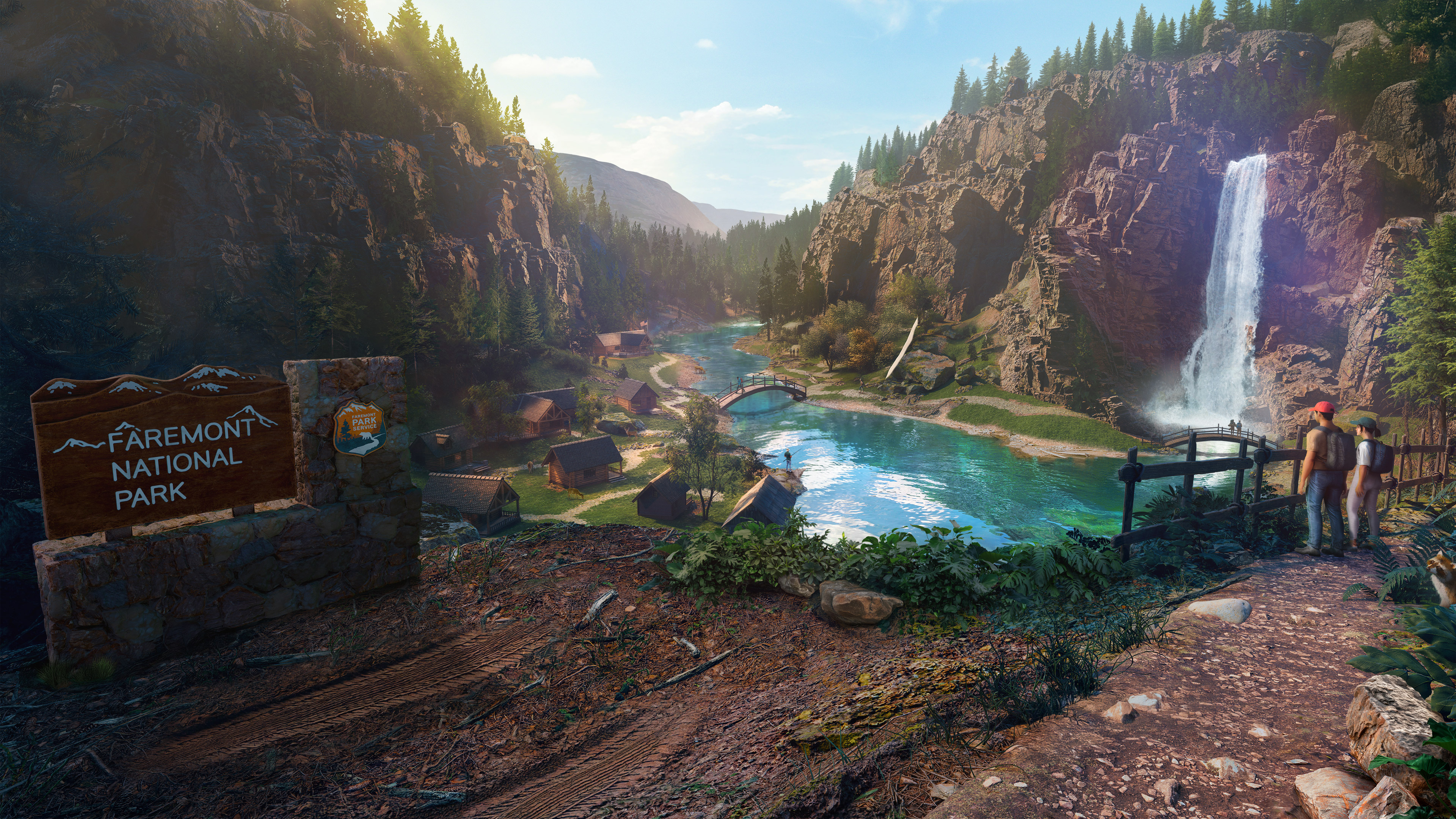
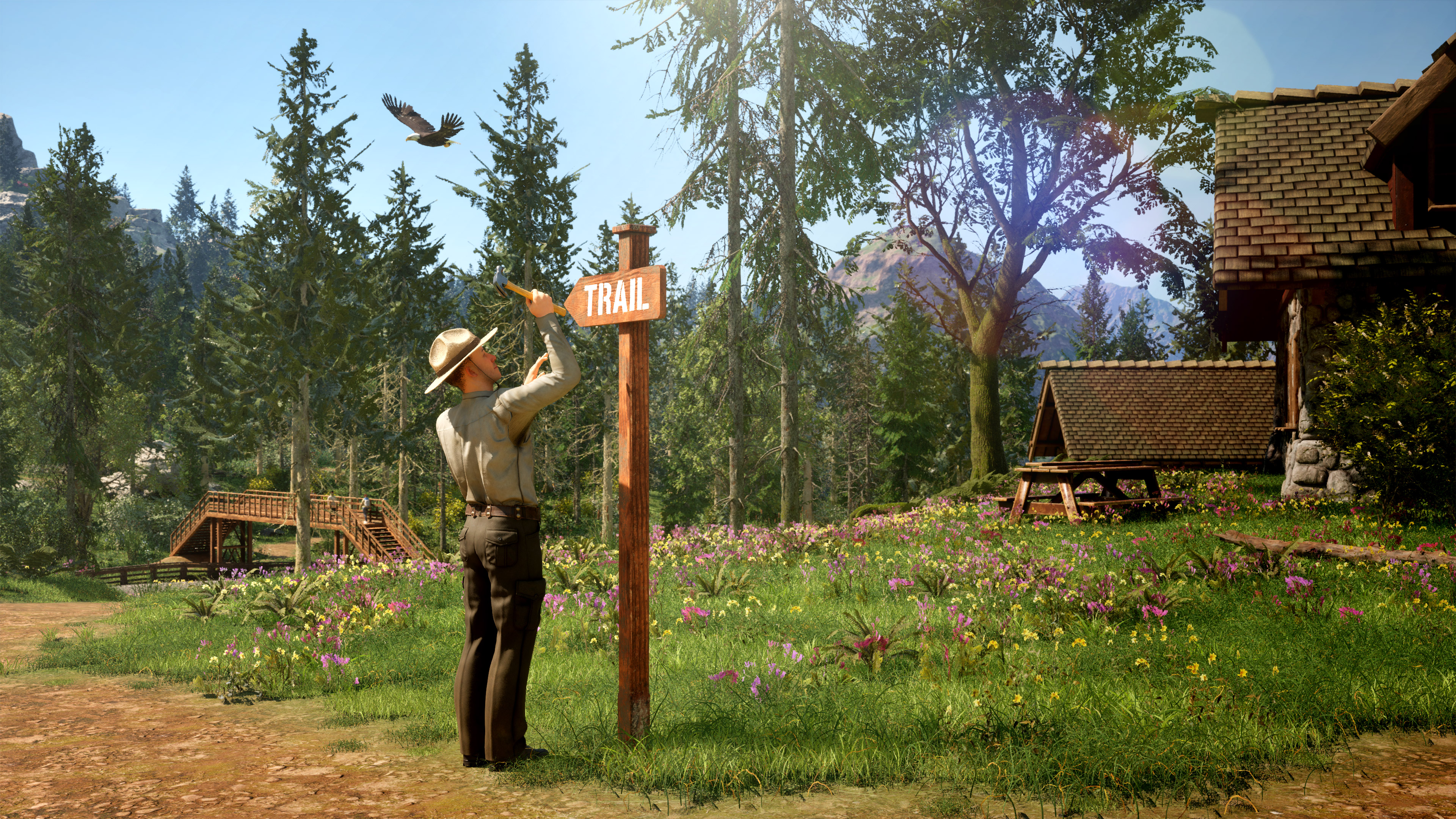
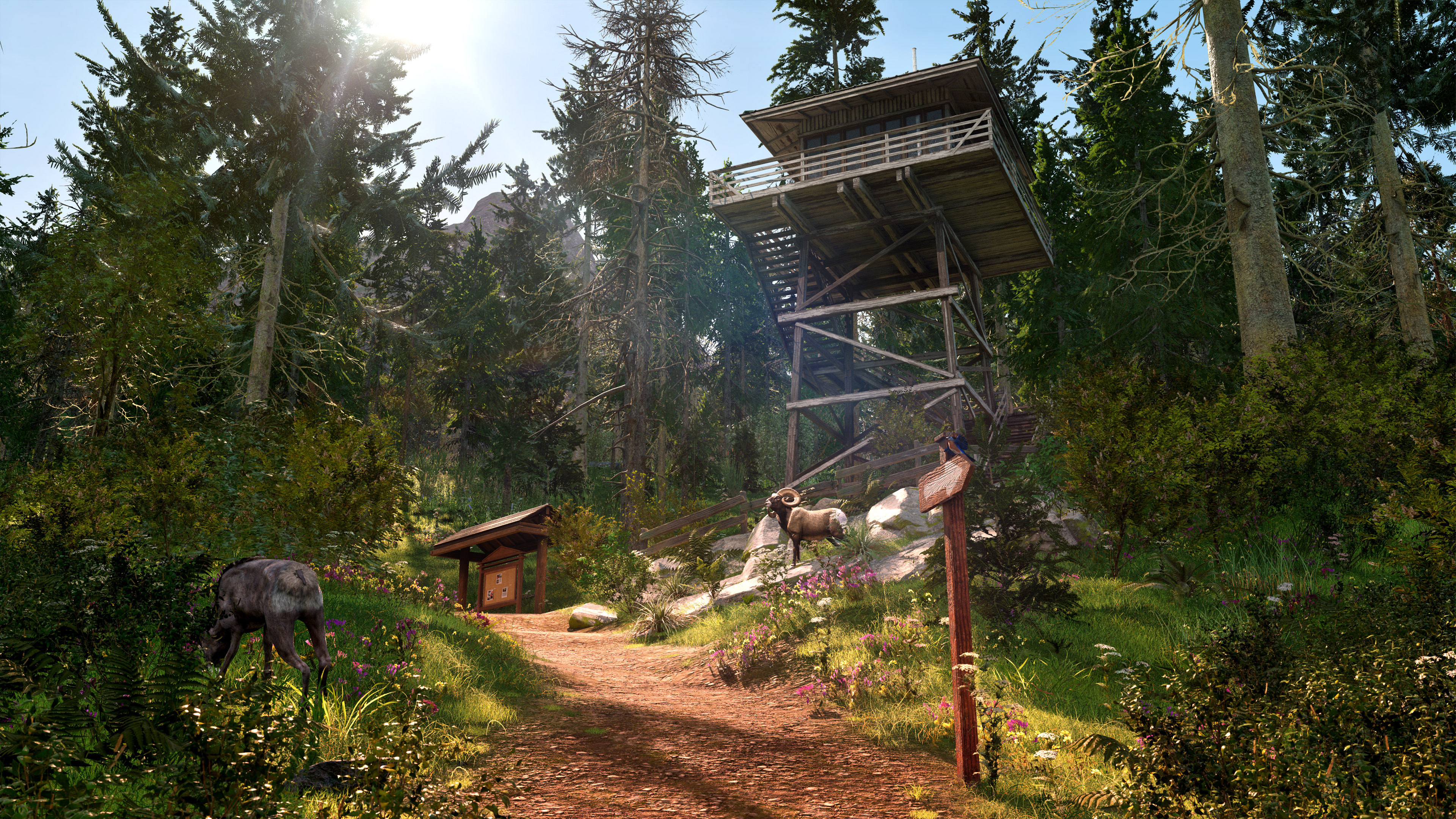
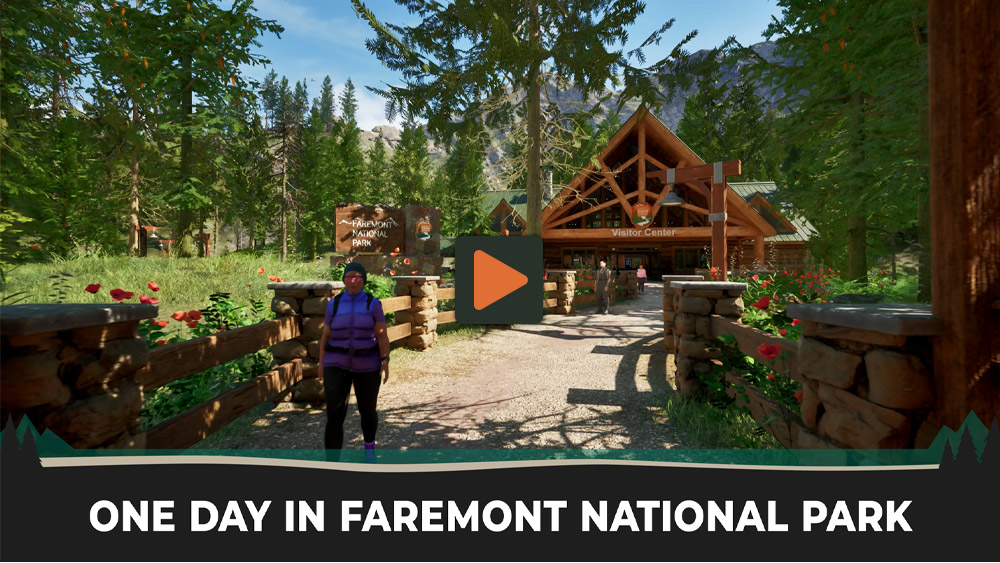
In Ranger’s Path: National Park Simulator, you take on the everyday responsibilities of a real park ranger in the stunning Faremont National Park. Restore and maintain scenic trails, assist visitors, and document wildlife in a living, breathing ecosystem.
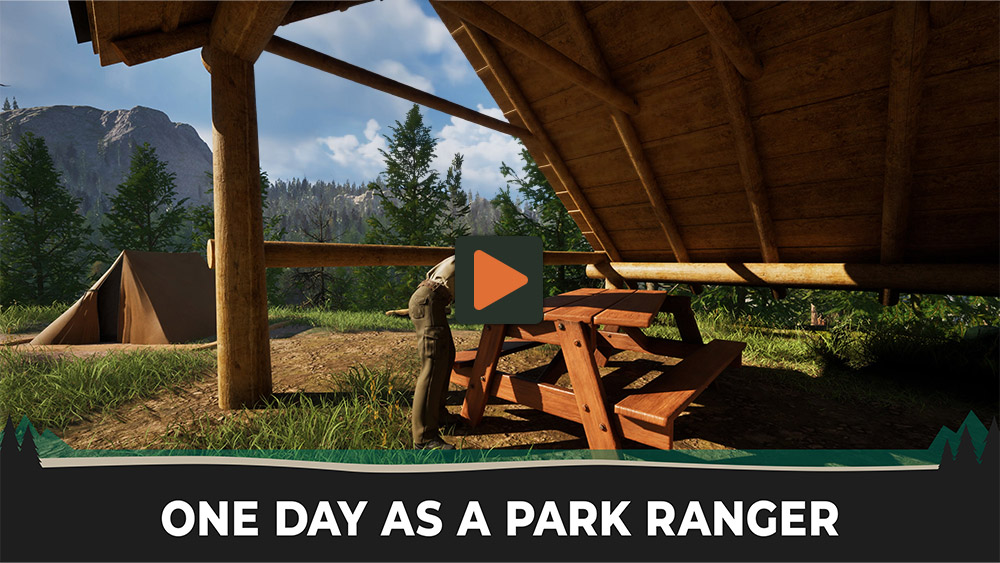
You’ll clear blocked paths, care for local flora, fix broken signs, step in when park rules are broken and take on larger assignments across the park – and occasionally drop everything to respond to urgent wildlife sightings or missing hikers. Each day brings new tasks and surprises. www desi indian mms com work
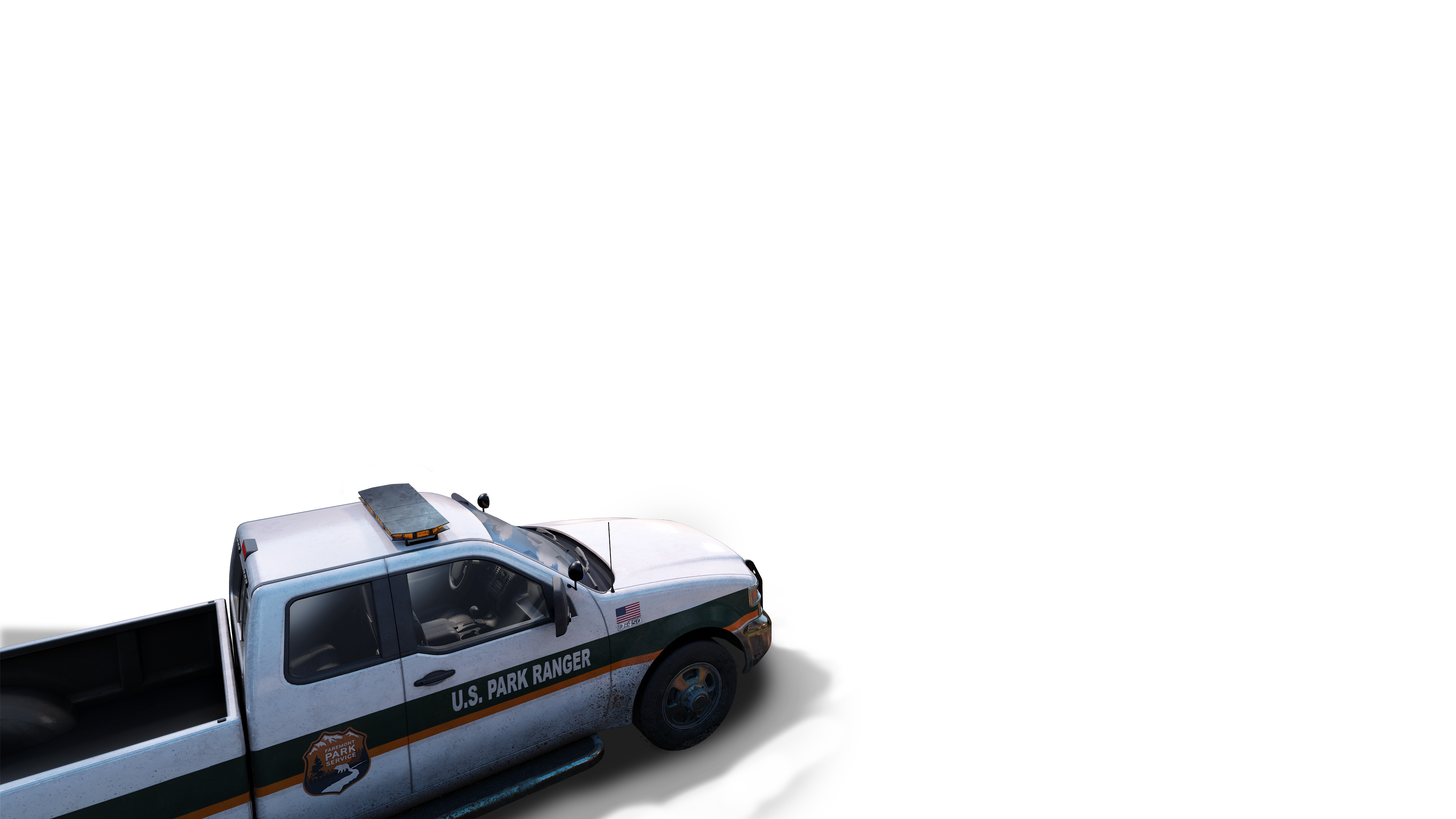
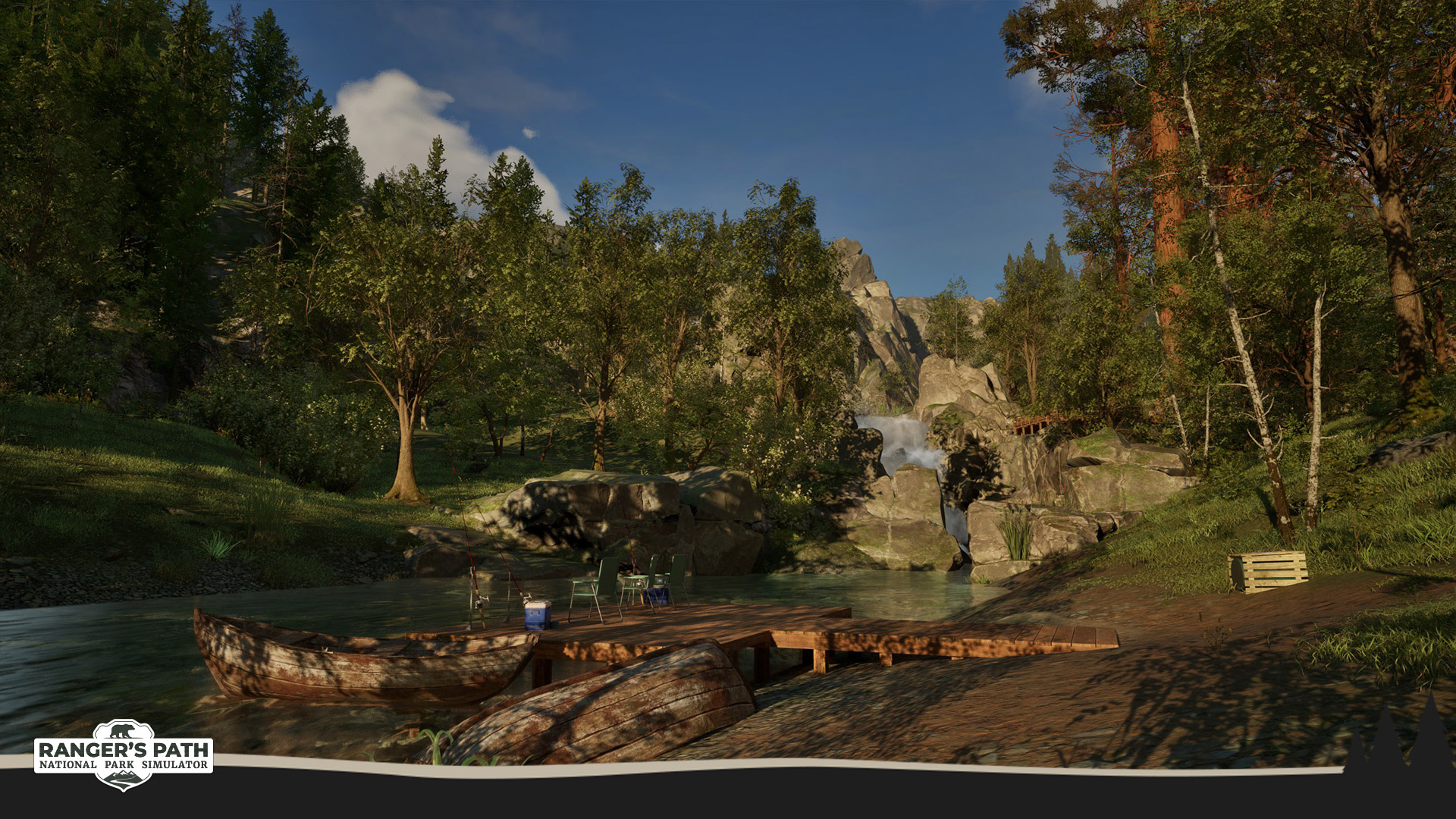
Faremont’s diverse biomes range from dense forests and meadows to winding rivers. With your ranger vehicles, you’ll cover long distances along the park’s road network, reaching remote areas filled with natural landmarks like waterfalls, rock formations, and scenic viewpoints. A belief in the cycle of cause and
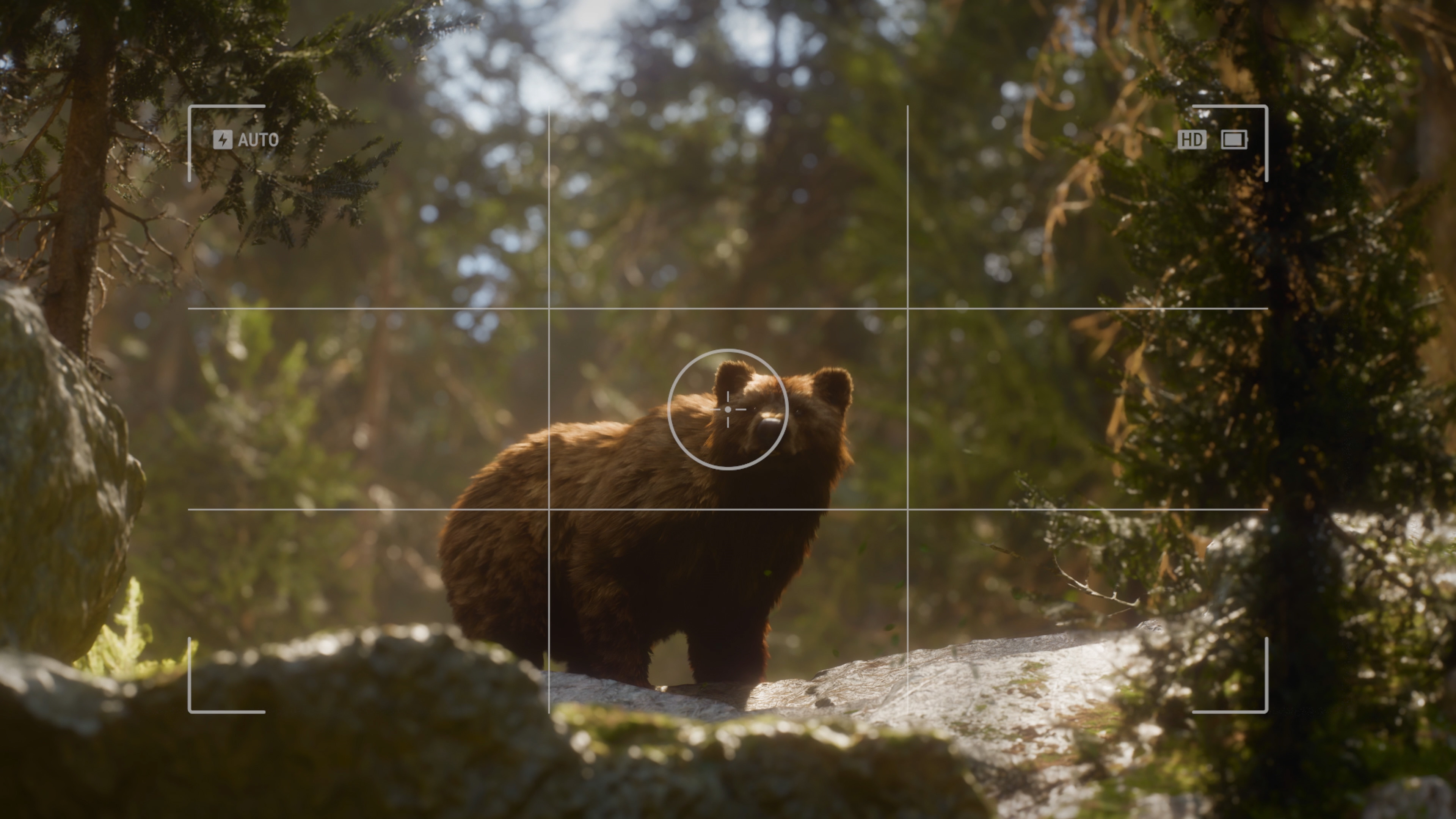
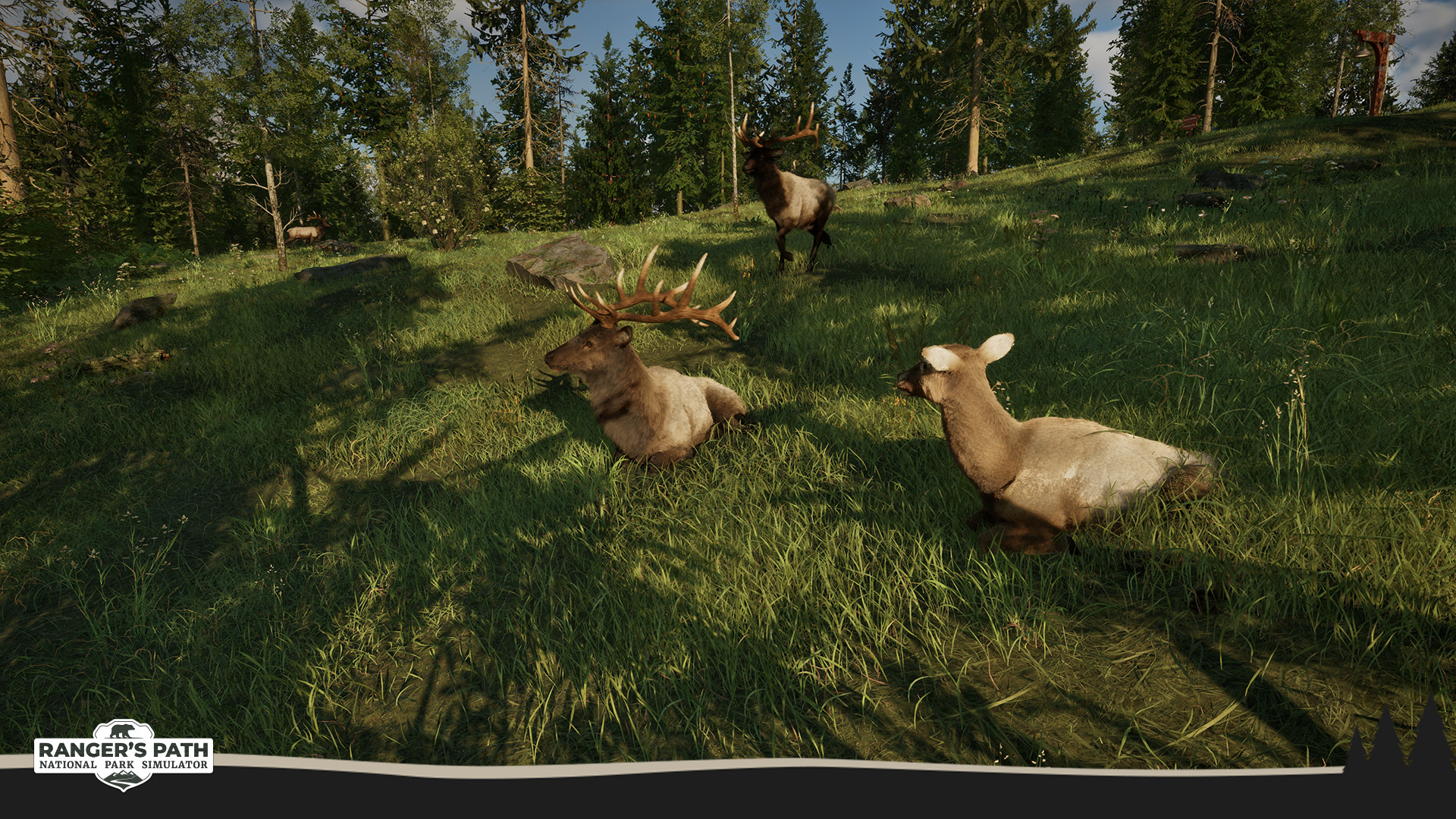
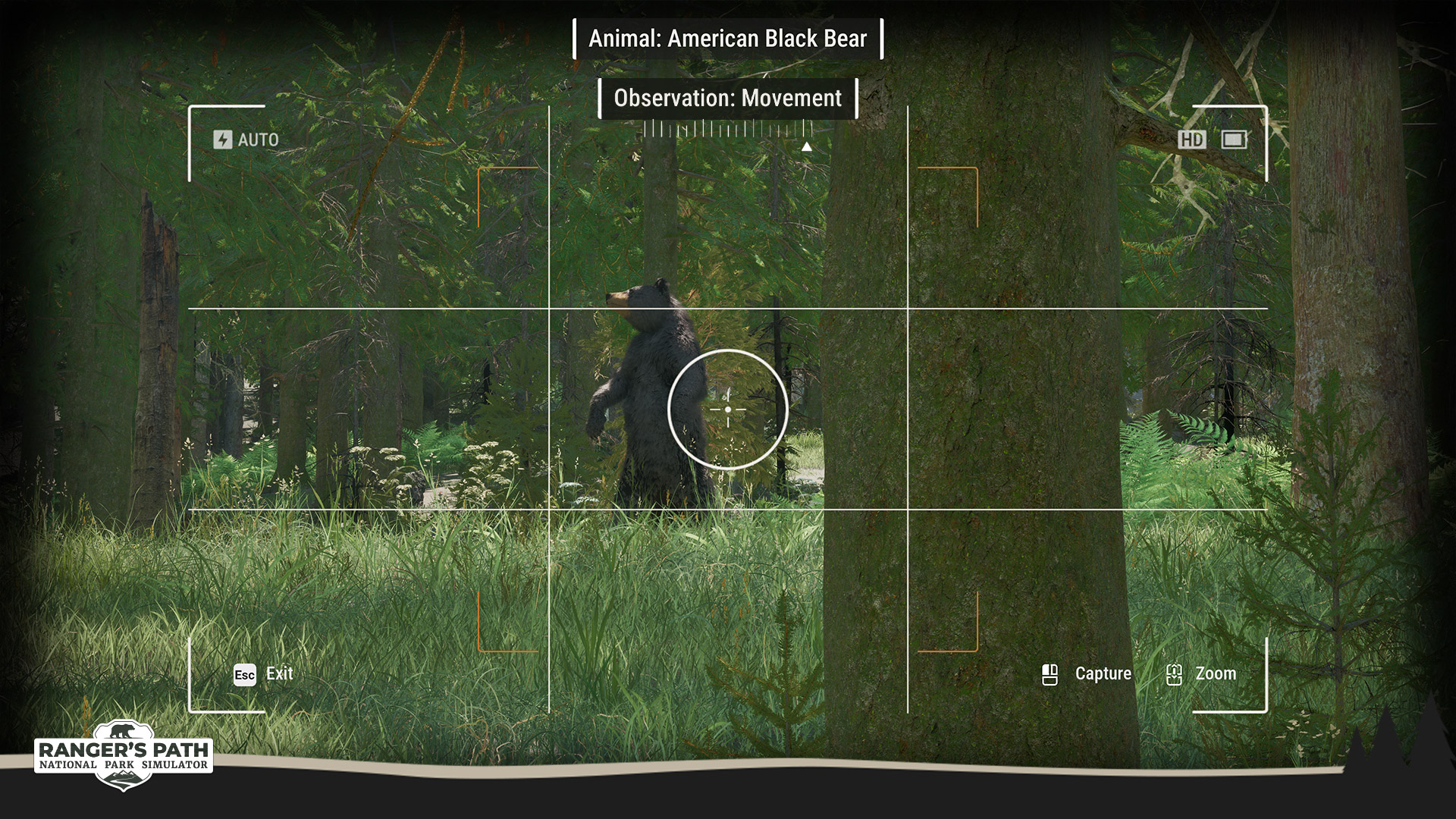
As you explore, use your camera to observe animal behavior and expand your personal wildlife lexicon. From elusive wolves and majestic eagles to mischievous raccoons, each species adds life to the park’s biological habitat. Yet, a shared "Indianness" binds the population
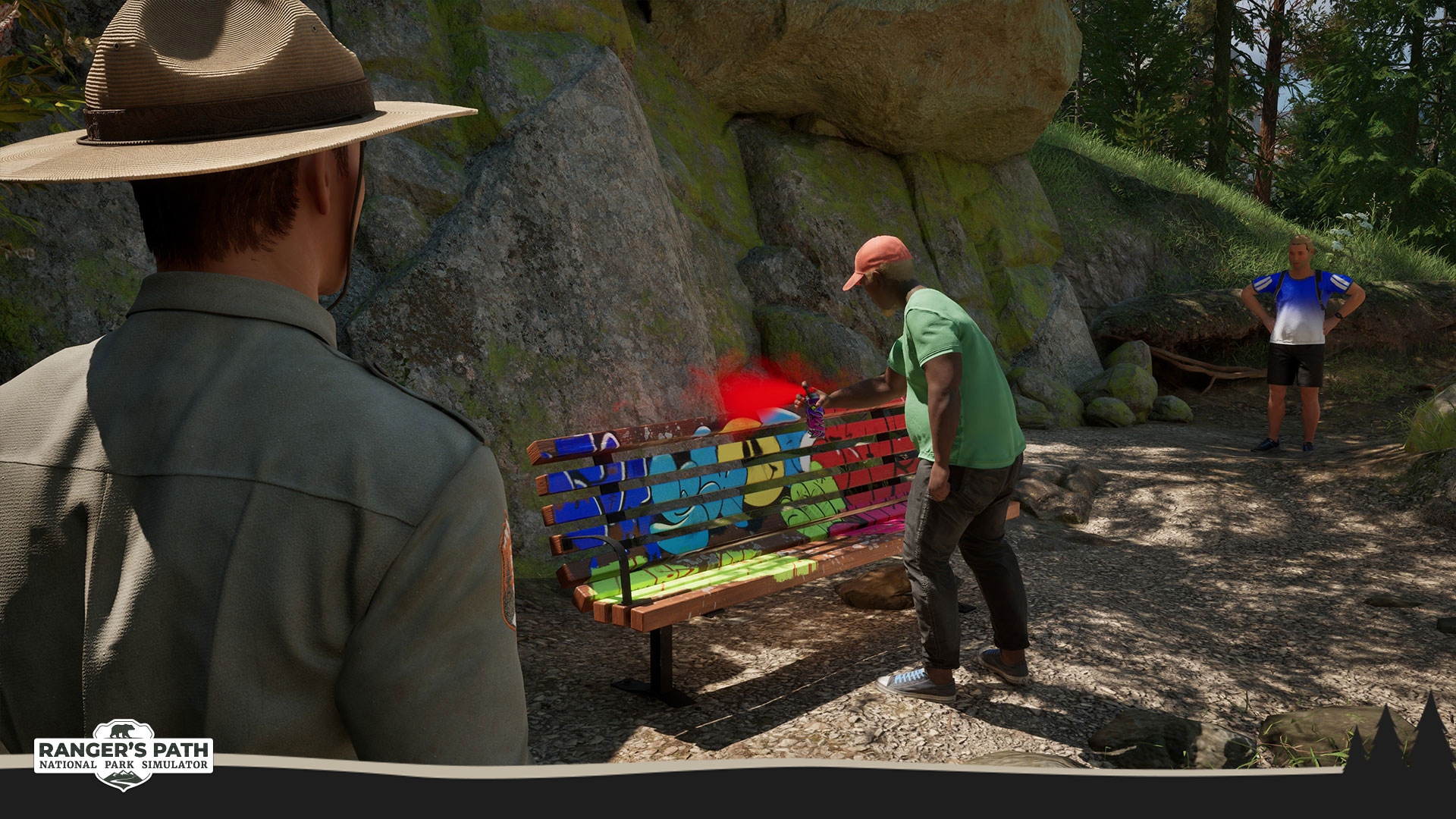
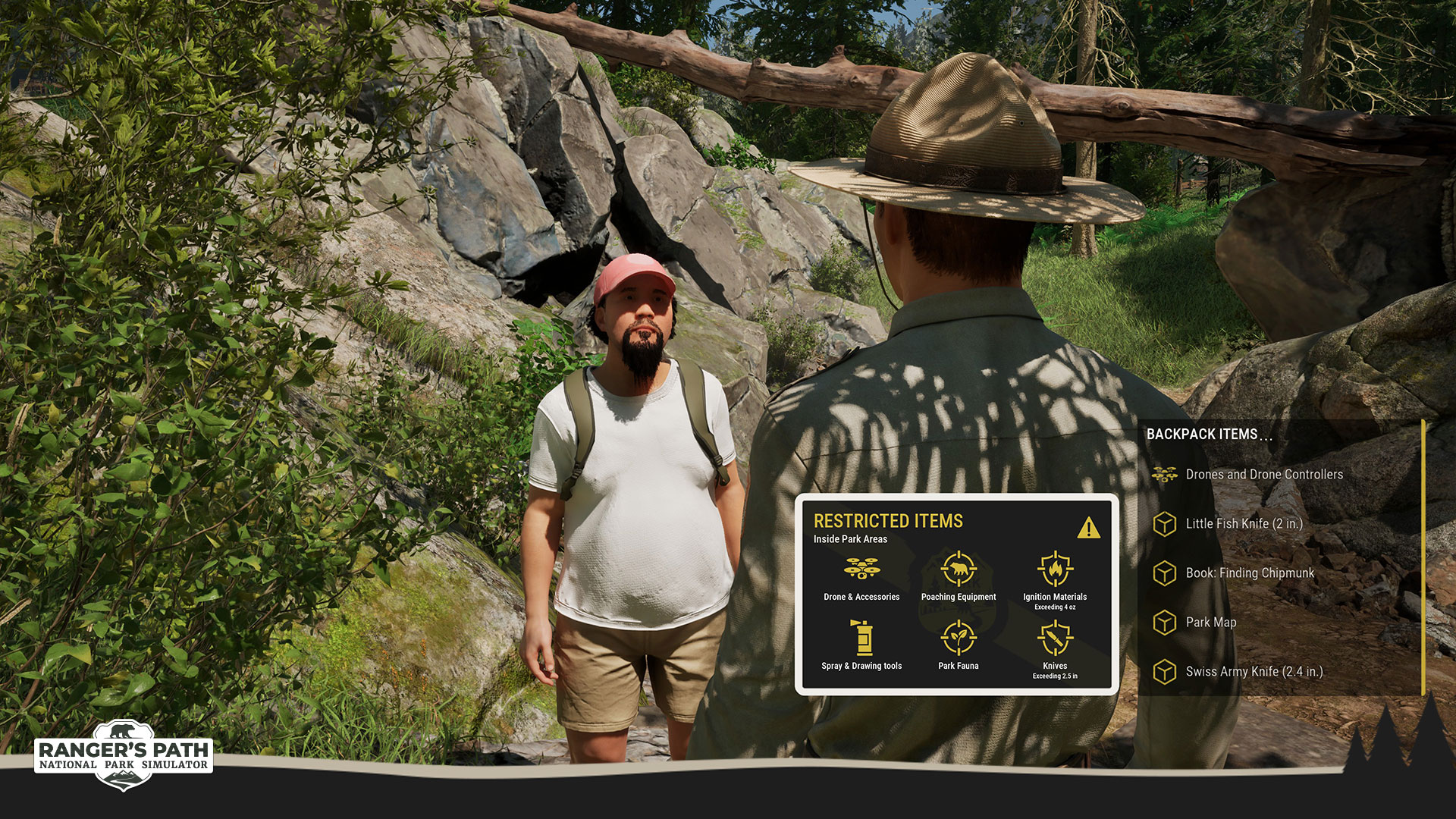
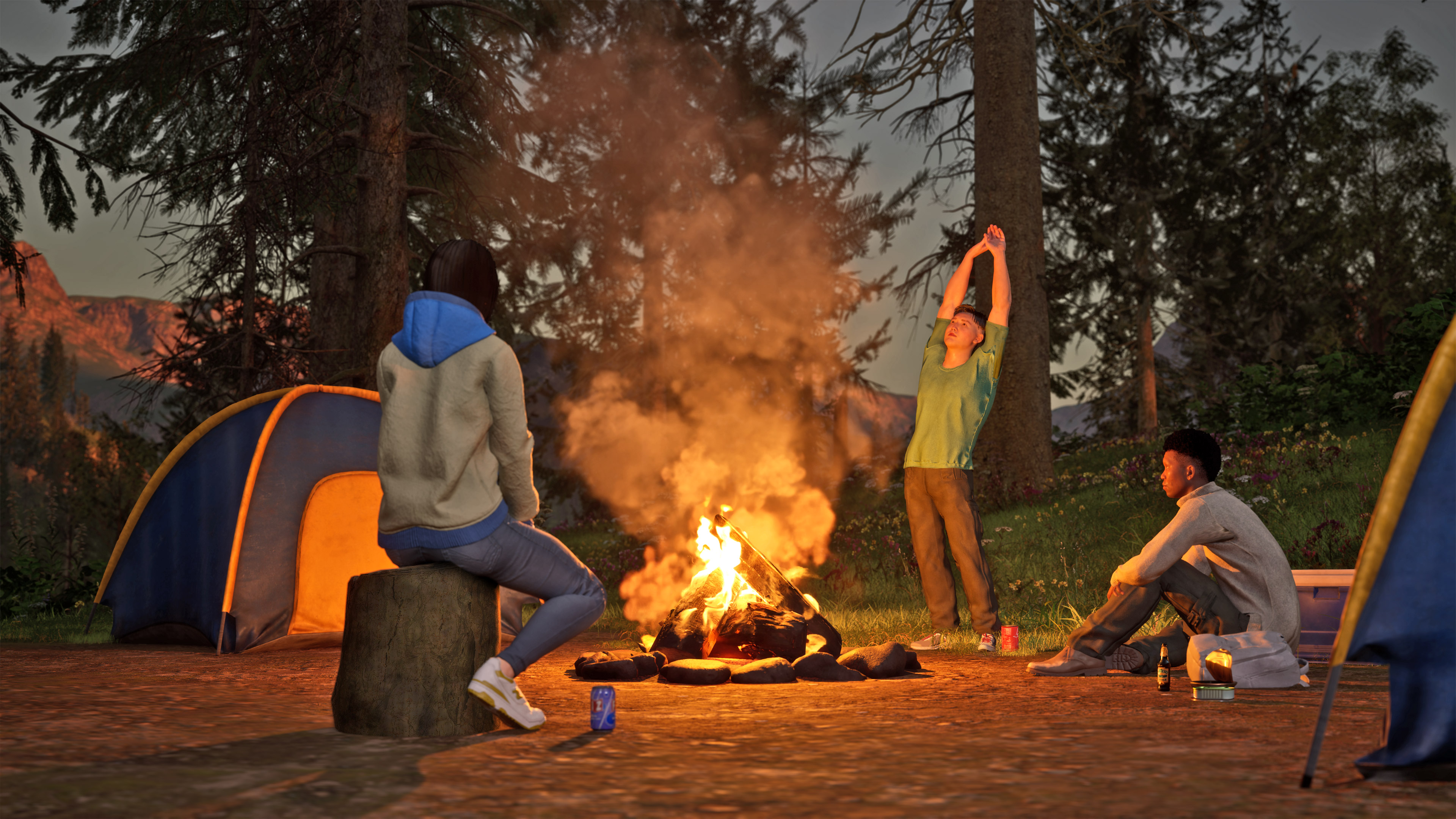
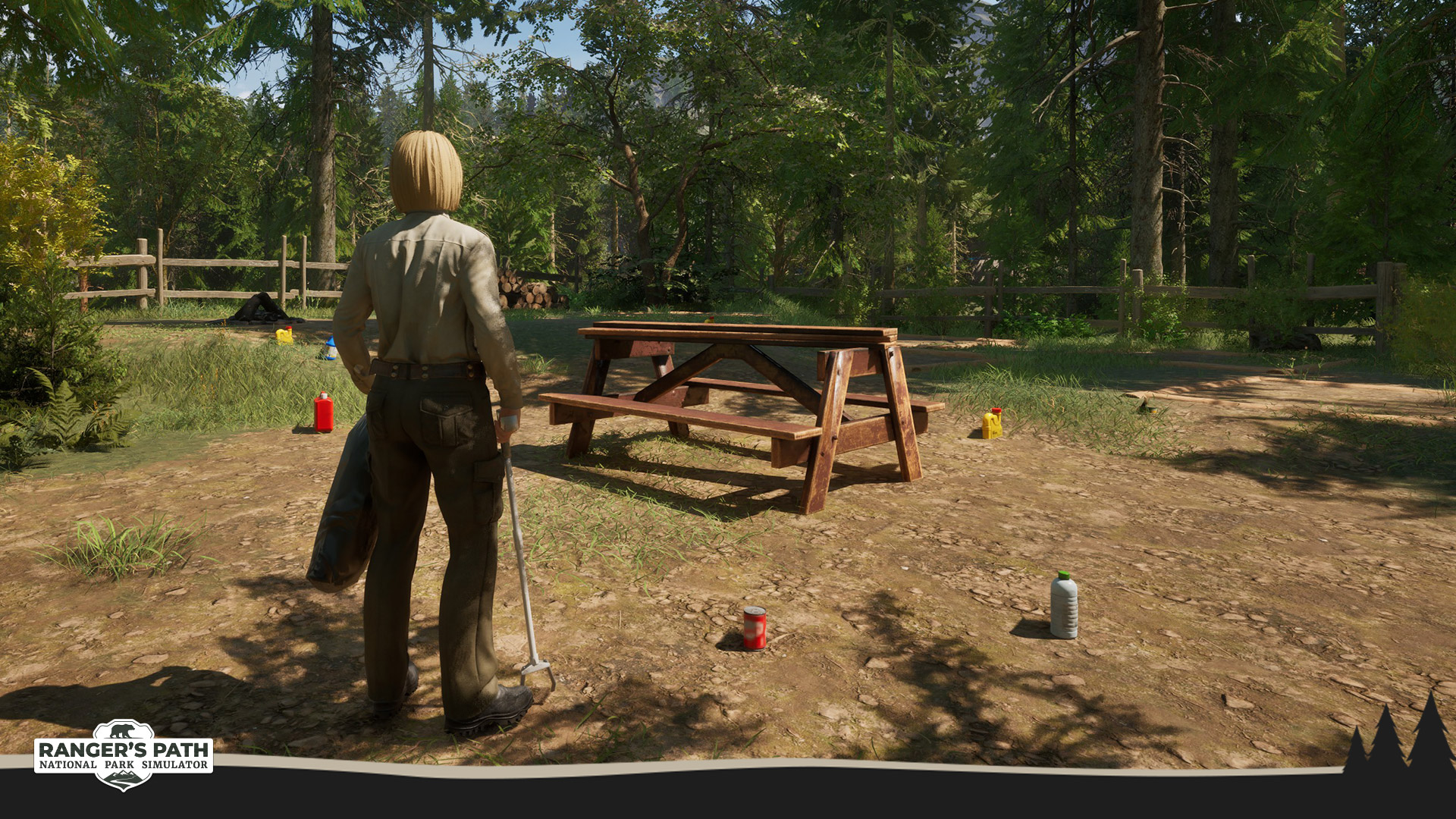
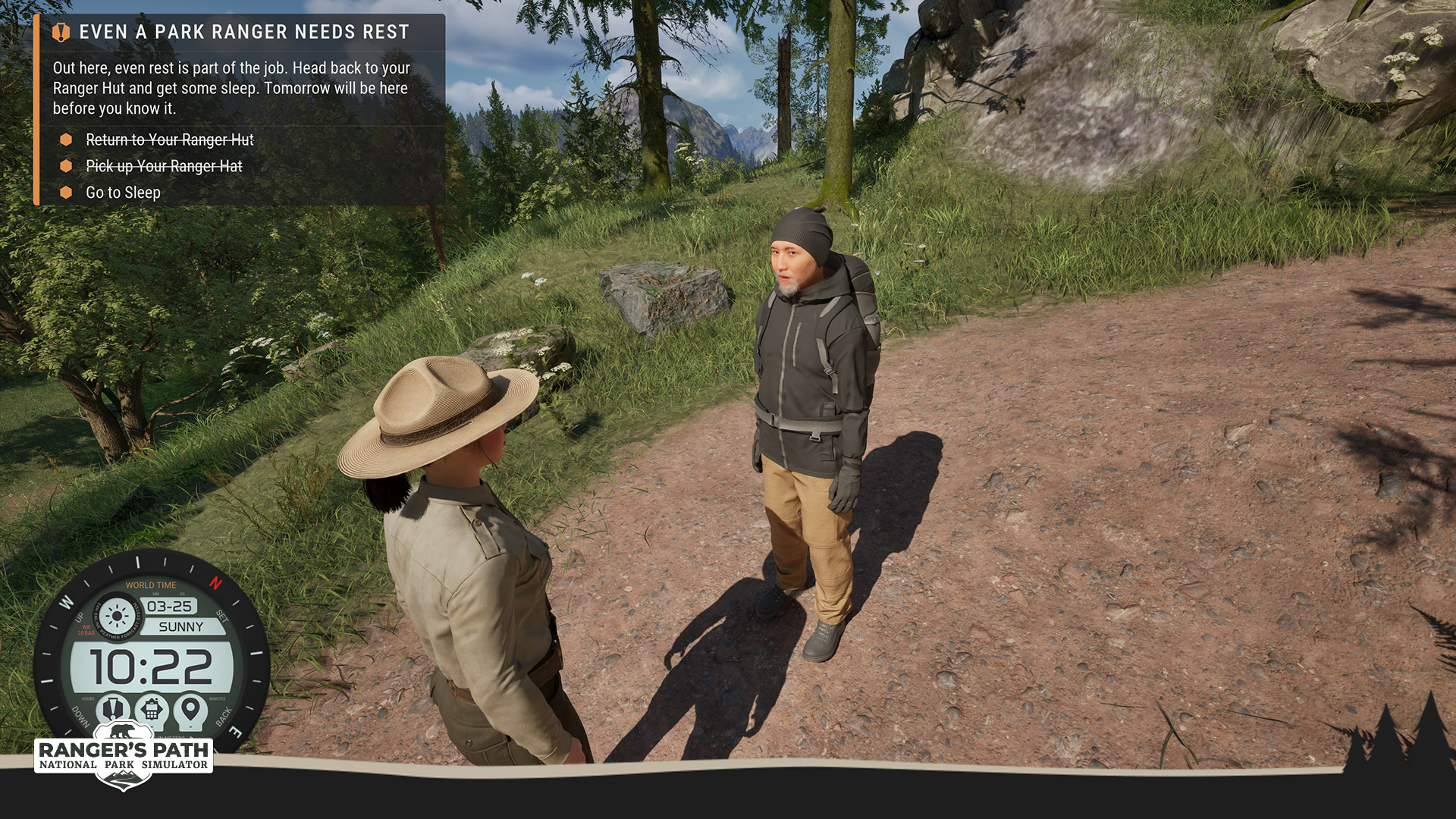
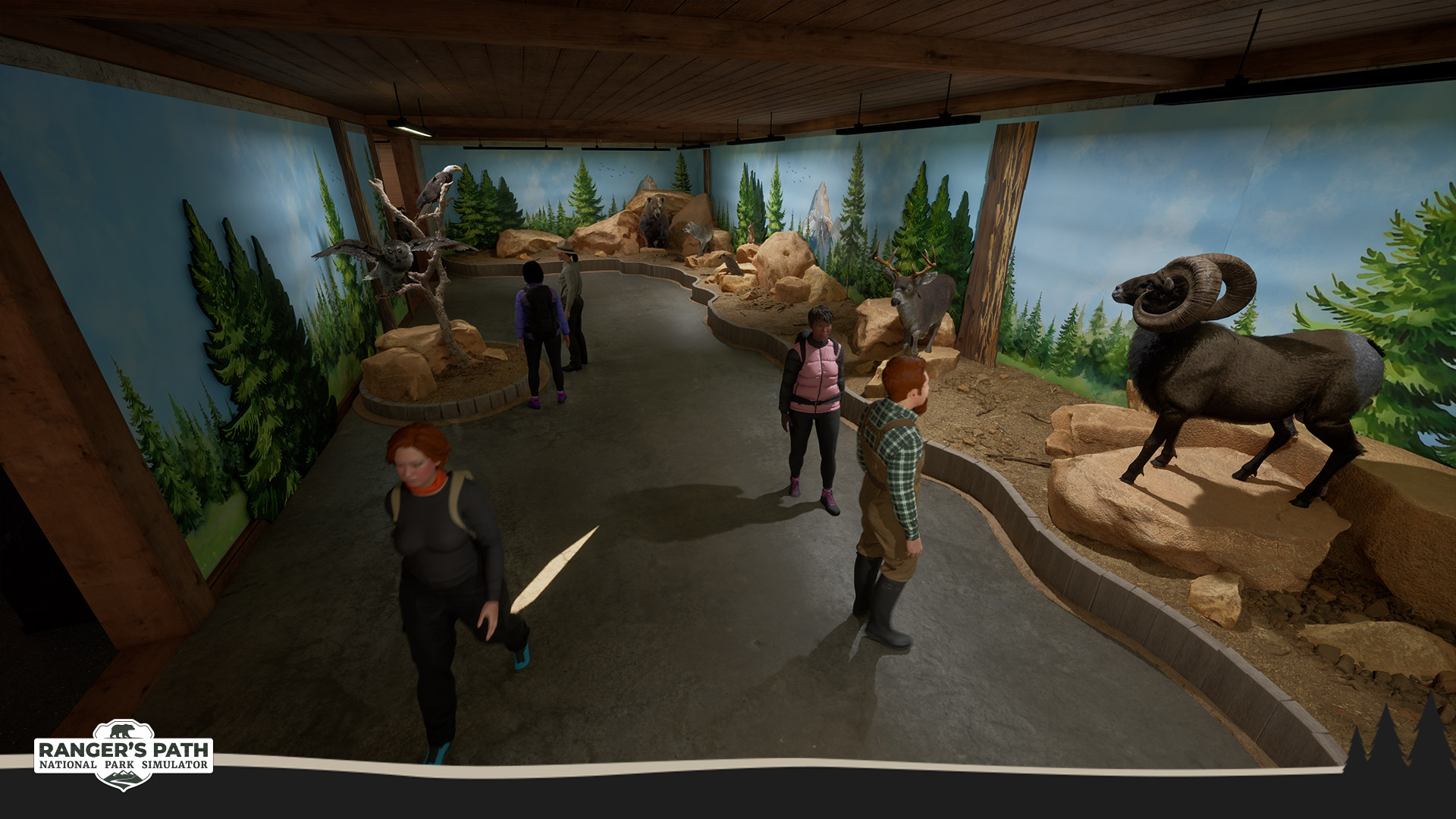
But your job isn’t just about nature – it’s also about people. You’ll guide campers, check permits, respond to emergencies, and investigate unusual behavior. Handle incidents such as illegal drone flights, vandalism, or poaching, and search backpacks for prohibited items to keep the park welcoming and safe.
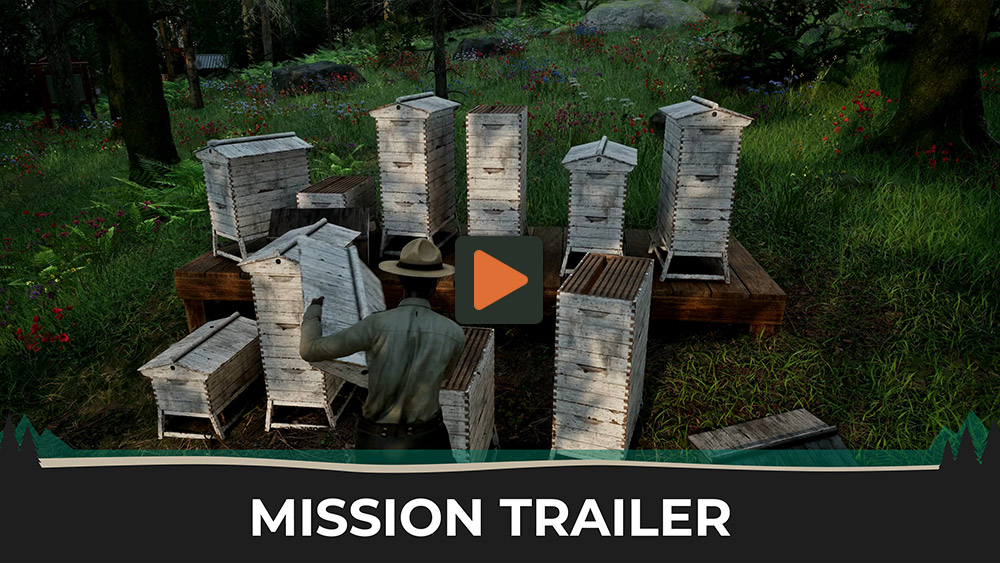
Take on additional ranger duties such as inspecting plant health, marking or removing damaged flora, restocking supplies across the park, and transporting materials between locations. Track your impact through a park review system that reflects how well you maintain different areas and unlock new missions and items within your park.
Put on your ranger hat and begin your journey today in Ranger’s Path: National Park Simulator.



 Features
Trailer
Features
Trailer






A belief in the cycle of cause and effect often dictates moral and social behavior, fostering a sense of resilience and "Dharma" (duty). 5. Fashion: A Blend of Heritage and Global Trends
From the butter-rich curries of Punjab and the seafood delicacies of Kerala to the fermented dishes of the Northeast, the diet is dictated by local produce and climate.
Indian lifestyle content is incomplete without mentioning its sartorial elegance.
The most defining characteristic of Indian culture is its pluralism. India is home to nearly every major religion in the world, hundreds of languages, and thousands of dialects. Yet, a shared "Indianness" binds the population. This lifestyle is built on the Vedic philosophy of Vasudhaiva Kutumbakam —the world is one family. 2. The Social Fabric: Family and Community In India, life is rarely lived in isolation.
Festivals like Diwali, Eid, Holi, and Christmas are celebrated across communal lines. The "neighborhood culture" is strong; it’s common for neighbors to share meals and participate in each other’s life milestones. 3. Culinary Traditions: More Than Just Spice Indian food is a sensory map of the country’s geography.
Subscribe to our newsletter to get the latest news of Ranger’s Path: National Park Simulator right in your inbox. Please note that you have to confirm your subscription before receiving our newsletter.
A belief in the cycle of cause and effect often dictates moral and social behavior, fostering a sense of resilience and "Dharma" (duty). 5. Fashion: A Blend of Heritage and Global Trends
From the butter-rich curries of Punjab and the seafood delicacies of Kerala to the fermented dishes of the Northeast, the diet is dictated by local produce and climate.
Indian lifestyle content is incomplete without mentioning its sartorial elegance.
The most defining characteristic of Indian culture is its pluralism. India is home to nearly every major religion in the world, hundreds of languages, and thousands of dialects. Yet, a shared "Indianness" binds the population. This lifestyle is built on the Vedic philosophy of Vasudhaiva Kutumbakam —the world is one family. 2. The Social Fabric: Family and Community In India, life is rarely lived in isolation.
Festivals like Diwali, Eid, Holi, and Christmas are celebrated across communal lines. The "neighborhood culture" is strong; it’s common for neighbors to share meals and participate in each other’s life milestones. 3. Culinary Traditions: More Than Just Spice Indian food is a sensory map of the country’s geography.